
Last updated November 16, 2026
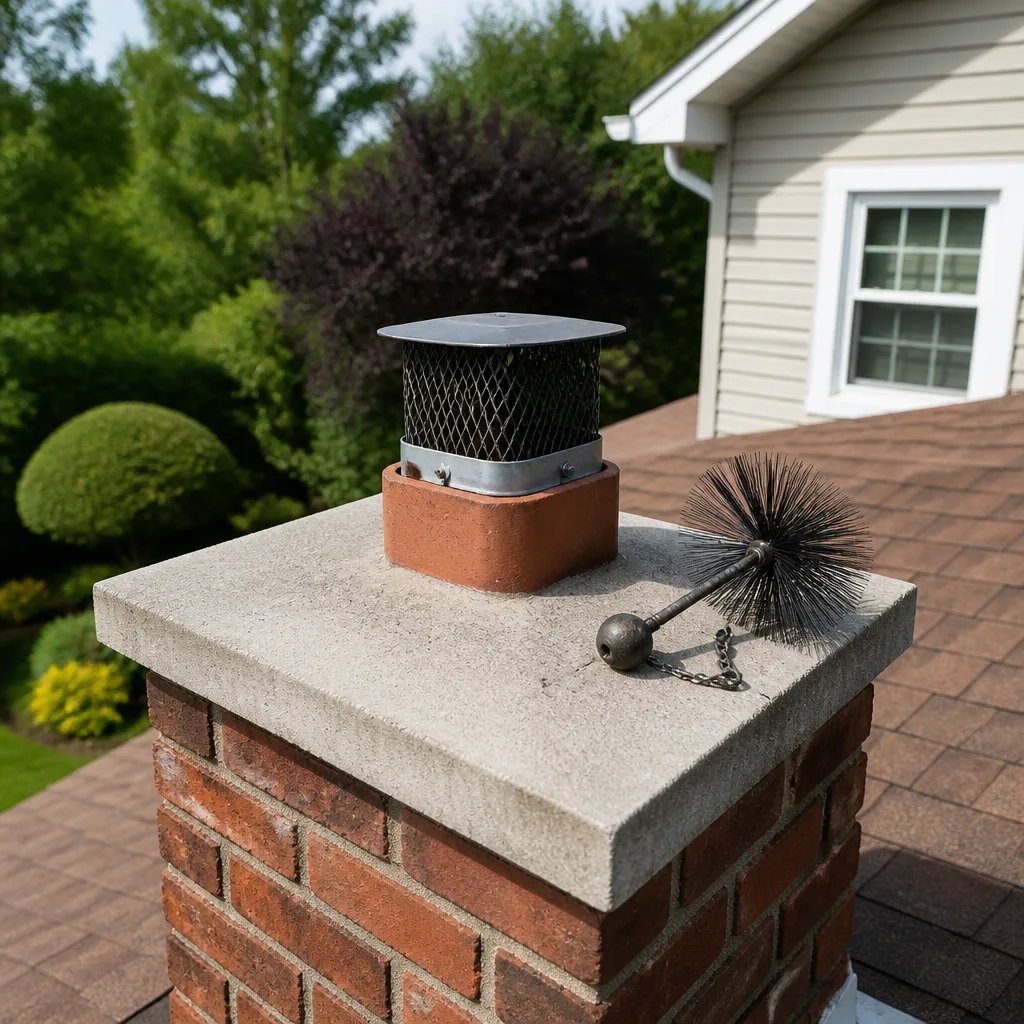 Sweep & inspection
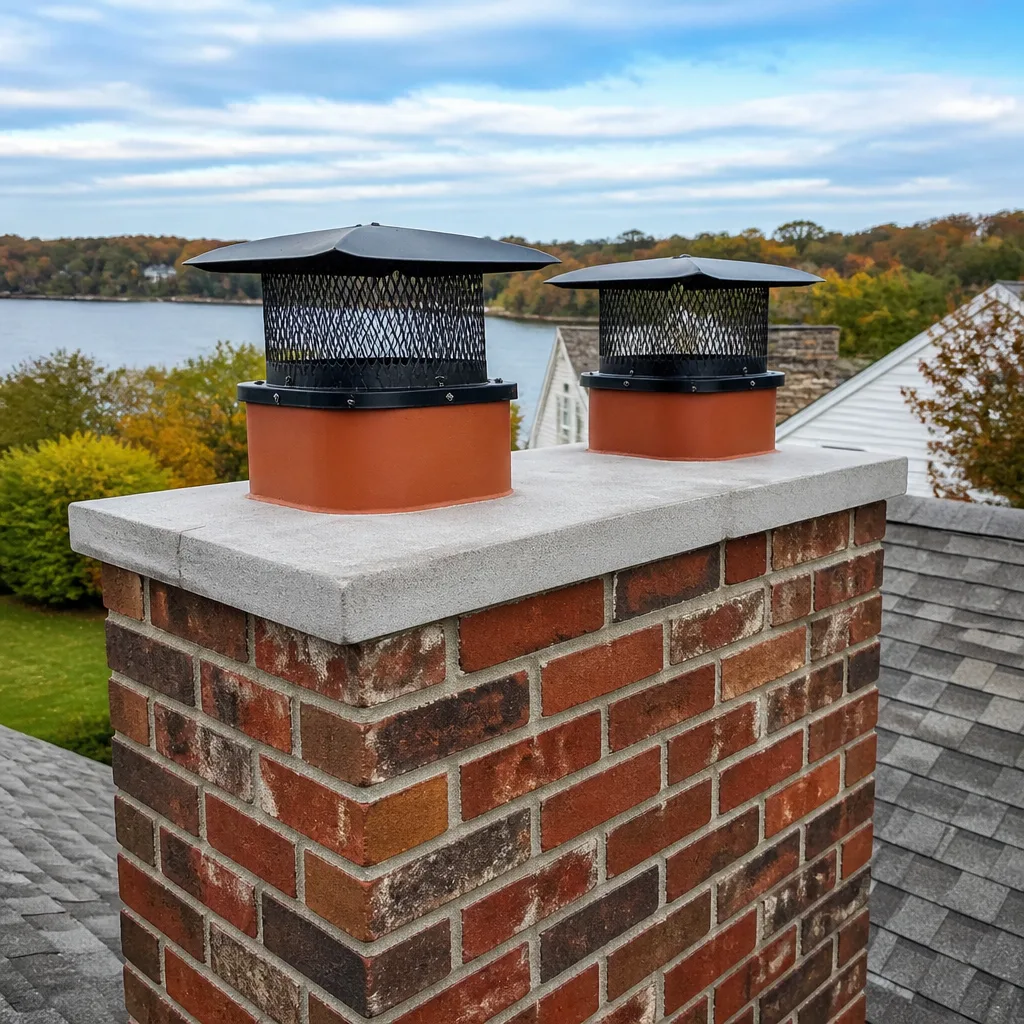 Caps & crowns
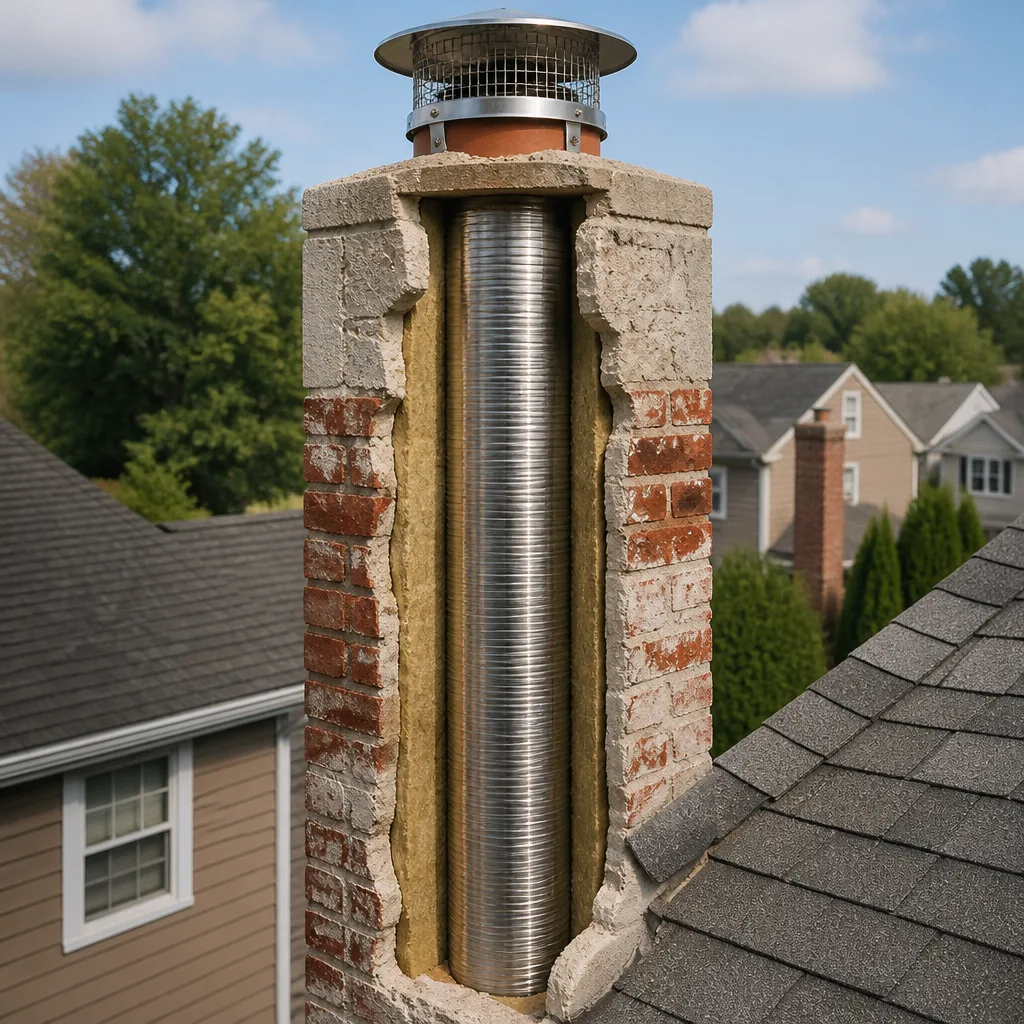 Flue relining
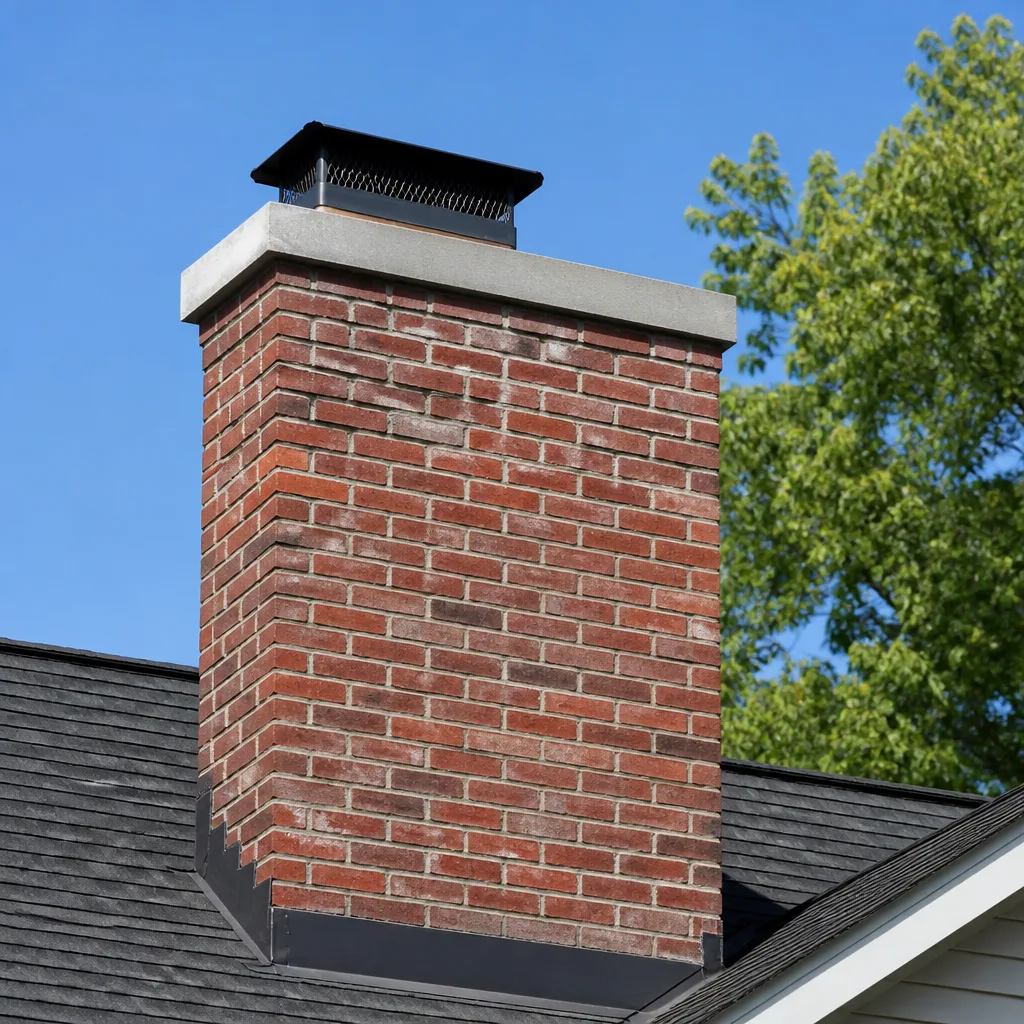 Masonry repair
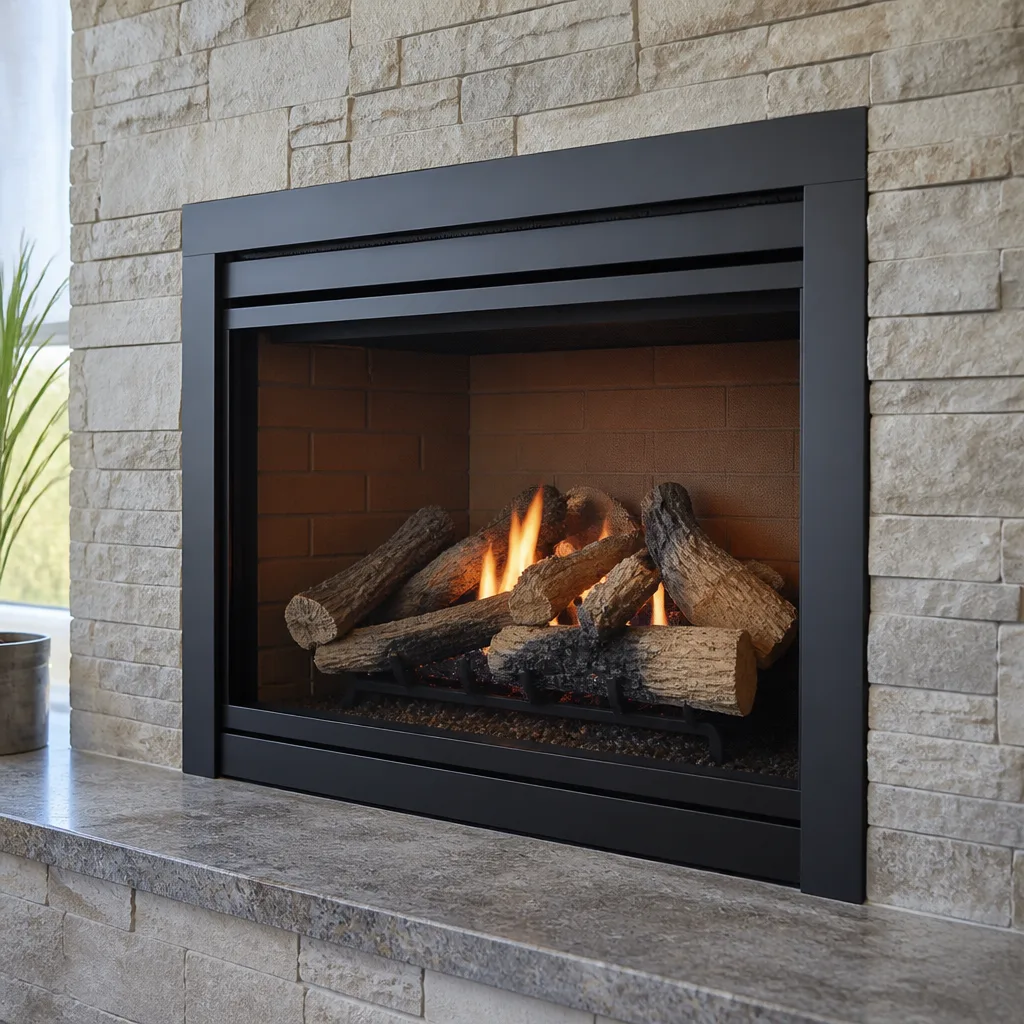 Gas fireplace service
Level 1 sweep and inspection to the NFPA 211 annual standard - flue, crown, cap, and flashing checked and photographed
Chimney sweep logs do not sweep chimneys. They loosen some creosote - which then falls where a brush and vacuum still have to collect it.
Choosing the Right Chimney Cleaning Brand: A Buyer’s Guide for Yuma
The most popular creosote remover on hardware store shelves is a preventive additive, not a cleaner. It changes the chemistry of creosote so a sweep can pull it off more easily later. Burn it thinking it’s dissolving the buildup, and you’re using it wrong, and you may be lulling yourself into skipping the sweep that actually removes the hazard. We see this confusion constantly in Yuma, where a fireplace gets real use through the cool months and then sits for the hot ones. This guide walks through what chimney products actually do, which categories matter for a Yuma home, and how to tell a specification-driven recommendation from a margin-driven one.
Quick Answer
The chimney products that matter are the ones tied to a job: professional-grade sweep equipment, liner and flue-repair systems, and cap and venting hardware built for sun and heat. Creosote removers and additives are supporting tools, not substitutes for a sweep. Buy on specification, not on the word “professional” on the label, and get a written recommendation that names the product and explains why it fits your flue.
Styles & brands we work with
- Sweep & inspection
- Caps & crowns
- Flue relining
- Masonry repair
- Gas fireplace service
Table of Contents
- The Three Product Categories Homeowners Confuse
- Creosote Removers, Modifiers, and Preventive Additives: When Each Fits
- What to Look For in a Chimney Cap for Yuma’s Sun and Heat
- Waterproofing Sealers and Southwest Masonry
- Liner Repair Products: Professional-Grade vs. Retail
- How to Tell if a Product Recommendation Is Specification-Driven
- Where Product Selection Stops and a Technician Starts
- Questions to Ask Before You Buy Any Chimney Product
The Three Product Categories Homeowners Confuse
Chimney products get lumped together as “cleaning supplies,” but three very different jobs are hiding under that label. Separating them is the first step toward buying the right thing.
- Cleaning chemicals and mechanical tools. These physically remove soot, ash, and glazed creosote from flue walls. They do the work at the moment of the sweep.
- Creosote modifiers. These change the consistency of creosote, usually making hard, glazed deposits more brittle so the next sweep can knock them loose. They act before the sweep and only help if a sweep follows.
- Preventive additives. These are burned with the fire to reduce how fast new creosote forms. They’re maintenance, not remediation, and they don’t touch what’s already on the wall.
In our experience, most of the disappointment homeowners describe with retail chimney products traces back to buying one category expecting the behavior of another. A modifier isn’t a cleaner. A preventive additive isn’t either. Only the sweep removes what’s built up. Think of it like dental care: brushing is prevention, flossing is prevention, but plaque that’s already hardened needs the hygienist’s tools.
That distinction matters more in Yuma than people expect. Our cooling-season fires run hot and fast in small doses, often on mild evenings when the draft is weak. Weak draft and short burn cycles are exactly the conditions that lay down softer, stickier creosote rather than the hard glaze a cold-climate stove produces. Soft creosote is easier to remove, but it also builds faster than people realize when the fire never really gets going. Yuma’s dry air doesn’t solve that for you.
Creosote Removers, Modifiers, and Preventive Additives: When Each Fits
When does a creosote product actually earn its place? A preventive additive earns its keep on a well-maintained flue that’s swept on schedule. A modifier earns its keep when a sweep has found glazed deposits. A cleaner without a sweep behind it is money spent on a feeling rather than a result.
Here’s how we’d sort the decision:
- Start with an inspection, not a product. You can’t choose the right category until someone has looked at the flue and told you what’s actually there. That’s what our chimney inspection is for.
- Sweep first if there’s measurable buildup. No additive substitutes for the physical removal of what’s already on the wall. That’s the job of a professional chimney sweep.
- Use a modifier only on the advice of the person who saw the flue. Modifiers work best on specific creosote stages, and applying one blind is guesswork.
- Treat preventive additives as a supplement to a regular sweep schedule, never a replacement. They lower the rate of new buildup. They don’t remove the old.
We’ve also seen homeowners misread the label on a popular liquid remover and assume it’s a one-and-done solvent. Read the back panel. If it says to burn it with the fire and then have the chimney swept, it’s a modifier. If it says to apply it to the flue walls during a cleaning, it’s a cleaner. If it doesn’t mention a sweep at all, question what it’s promising.
What to Look For in a Chimney Cap for Yuma’s Sun and Heat
A chimney cap does three jobs: it keeps rain out, it keeps animals out, and it keeps sparks off the roof. In Yuma, it also has to survive some of the harshest UV and summer heat in the country without warping, cracking, or rusting through.
The specific things to check:
- Material thickness and coating. Thin, lightly coated steel takes the summer sun and the monsoon-season rain badly. Stainless and heavier-gauge galvanized steel with a proper coating hold up far better than the flimsy stamped caps sold in big-box aisles.
- Fastener quality. Heat cycling loosens cheap screws and clips. A cap that lifts off in a monsoon gust or a summer wind event is worse than no cap. Look for stainless fasteners and a mounting method built for high winds.
- Mesh sizing. The spark screen mesh has to be sized to stop the animals common around Yuma, including birds and rodents that will absolutely find an uncapped flue, while still passing smoke without clogging. Tight enough to block, open enough to draft.
- Draft compatibility. A cap with too little open area strangles the draft of a short flue. Because a lot of Yuma homes sit on slabs with shorter stacks, this matters more here than in a house with a tall chimney.
We fit caps from Gelco and Famco because those product lines are engineered as venting components, not just metal lids. When we see a draft complaint or an animal problem, having the right cap hardware on hand means a single visit instead of two. Our full chimney repair scope covers cap replacement alongside flue work, so a homeowner doesn’t have to source a cap separately from the repair.
Waterproofing Sealers and Southwest Masonry
Waterproofing is the one product category where buying the wrong thing actually makes a masonry chimney worse. That’s not marketing. It’s chemistry. A sealer designed for a wet climate is often designed to shed a lot of water aggressively, and in a hot, dry climate like Yuma’s the wrong formulation can trap moisture inside the masonry, drive it toward the interior of the chimney, and create spalling and freeze-free but still damaging crack cycles.
The general rule for Southwest masonry:
- Vapor-permeable beats vapor-blocking. The right sealer lets the masonry breathe while it repels liquid water from outside. Sealing a chimney into a plastic bag is not what you want.
- Match the sealer to the masonry type. Brick, stucco, and poured or block masonry all behave differently. A product marketed for “all masonry” is a compromise. Ask what it’s formulated for.
- Waterproofing is not flue lining. A sealer stops water from getting into the masonry structure. It does nothing for the inside of the flue, which is a separate job. Confusing the two is one of the costliest misreads in chimney maintenance.
- Check the crown first. A sealer over a cracked crown is a bandage on a problem that needs the crown rebuilt. Water runs in through the crack regardless of what’s on the brick.
In our experience, a lot of the “my sealer didn’t work” complaints we hear in Yuma trace back to a crack in the crown or flashing that no sealer is going to fix. The point of a professional inspection is to catch that first and waterproof second.
Liner Repair Products: Professional-Grade vs. Retail
This is where the gap between professional and retail matters most. Retail shelves don’t generally carry the real liner-repair systems. They aren’t packaged for a homeowner. The products a chimney specialist uses come through a different supply chain: DuraFlex flexible liner systems and HeatShield ceramic flue resurfacing are two examples. These aren’t better because of a label. They’re different categories of product altogether.
Two distinctions to understand:
- Flexible liner systems. A stainless flexible liner is chosen when a flue is offset, damaged, or an older clay tile liner has cracked and separated. DuraFlex systems are designed to navigate an offset or non-standard flue that a rigid liner can’t follow. A retail alternative doesn’t exist for this job, because the system has to be specified, cut, and installed to the flue geometry.
- Ceramic resurfacing. HeatShield is a ceramic flue-resurfacing product. It lets a technician restore spalled flue tiles, cracked mortar joints, and the smooth inner face of the flue without defaulting straight to a full reline in every job. That’s a repair-first approach. It doesn’t fit every flue, but when it fits, it can extend the life of a working liner that would otherwise be replaced.
The reason this matters for a homeowner evaluating a recommendation: when the recommendation names a real system and explains why that system fits your flue, you have something to check against the product’s published specifications. When the recommendation is a generic “we’ll reline it,” you don’t. Our chimney repair page explains the broader scope, but the guide you’re reading is about knowing which products earn their price.
How to Tell if a Product Recommendation Is Specification-Driven
A specification-driven recommendation gives you the “why” in physical terms. A margin-driven one gives you only the “what.” Here’s the difference, and how to hear it in the conversation.
- They describe your flue, not the product first. “Your flue has a clay liner with a crack about halfway up, and an offset near the smoke chamber” is spec-driven. “You need a reline” is not.
- They name the product and the reason. A specialist should be able to tell you which system applies and what in your flue geometry calls for it.
- They tell you what can wait. That’s the tell. A margin-driven recommendation rarely includes a portion of your chimney that can be left alone safely. A specification-driven one usually does, because a working flue doesn’t need to be replaced for its own sake.
- They show you the evidence. Camera images inside the flue, photos of the crown, photos of the damaged tile. You don’t have to take it on faith.
- They explain what product they’re not recommending. A good technician can tell you why a modifier is unnecessary here, or why a sealer won’t fix that crack. A vague recommendation with no exclusions is a warning sign.
- The price lines up with the scope. A written estimate, per job, in which every line item corresponds to something on the camera. Not a bundle with a number at the bottom.
In Yuma and the surrounding county, the chimney market is small enough that most homeowners don’t have a broad set of quotes to compare. That makes the conversations above more important, not less.
Where Product Selection Stops and a Technician Starts
Buying a sealer, a cap, or a preventive additive is a homeowner decision. Buying a creosote remover is mostly a homeowner decision, with one caveat. Anything involving the inside of the flue, the liner, or the roof is where the job tips into dangerous territory and needs a trained technician.
Specific lines not to cross:
- Do not go on the roof to install a cap yourself. Roof work is how these jobs send homeowners to the emergency department. A slip on a pitched roof or reaching too far over the edge is the usual reason.
- Do not disassemble a flue or use a chemical on a live liner without a professional’s read. Some products interact badly with older materials. Applying the wrong one is worse than applying nothing.
- Do not treat a chimney fire as a product problem. A flue that has experienced a fire needs an inspection by someone qualified to look for heat damage and cracked tile. No product fixes that from the shelf.
- Do not ignore the creosote stage. Stage three, glazed creosote, is a fire hazard and cannot be treated with additives. It has to be removed mechanically by a professional, and sometimes it means replacement.
Our technicians have up to 13 years of experience, and they’ve seen every stage. That’s the reason we lean on the inspection first. It’s not a sales step. It’s what keeps a homeowner from buying a product that won’t help.
Questions to Ask Before You Buy Any Chimney Product
The right questions narrow a crowded shelf down to what actually fits your chimney. Ask these before you spend money, whether you’re buying from a supplier or a contractor.
- “What category is this product?” Cleaner, modifier, or preventive additive. Get a clear answer.
- “Does it require a sweep or an inspection to work?” If it does, and you have neither scheduled, the product is money ahead of itself.
- “Is this formulated for Southwest masonry?” Ask what climate and masonry type the manufacturer built it for. A wet-climate sealer is not the right product here.
- “Is this a system or a substitute?” A flexible liner system is not the same thing as a repair kit. A cap is not the same thing as a screen.
- “Do you carry the manufacturer’s spec sheet?” A serious product has a spec sheet. If it doesn’t, question what you’re buying.
- “Why this product over the alternative?” A real answer names the alternative and says why it doesn’t fit here.
If any of those land on an “I’m not sure,” that’s the moment to get a second professional opinion on the chimney rather than the product. The product question can usually be answered by the flue itself. Somebody has to look at it.
Common Mistakes to Avoid
- Treating a preventive additive as a cleaner. That’s the hook we opened with, and it’s the most common misread. An additive lowers the rate of new creosote; it doesn’t remove what’s already there. If there’s measurable buildup, no amount of additive will fix it.
- Buying a cap that isn’t rated for heat and sun. Yuma summers will find the weakness in a stamped-steel cap in a season or two. Pay for real thickness and coating, not just the cheapest one that fits the flue opening.
- Waterproofing a chimney without an inspection first. Sealer over a cracked crown or open flashing fixes nothing. Find the water’s entry point, then waterproof the masonry.
- Trusting the word “professional” on a retail package. The label is marketing. The spec sheet is the substance. Real liner systems and resurfacing products come through the trade supply chain, not the hardware aisle.
- Skipping the sweep because the chimney “looks clean.” A Yuma flue can look fine from the firebox and carry a dangerous layer of creosote above it. Visual inspection from below is not a substitute for a proper sweep.
- Using a product on a flue that just had a fire. Heat damage, cracked tile, and spalled mortar need assessment, not a chemical. Call a professional inspection before anything goes back in the firebox.
- Assuming a contractor’s recommendation is always spec-driven. Ask the six questions above. The answers are the difference between a professional recommendation and a margin-driven one.
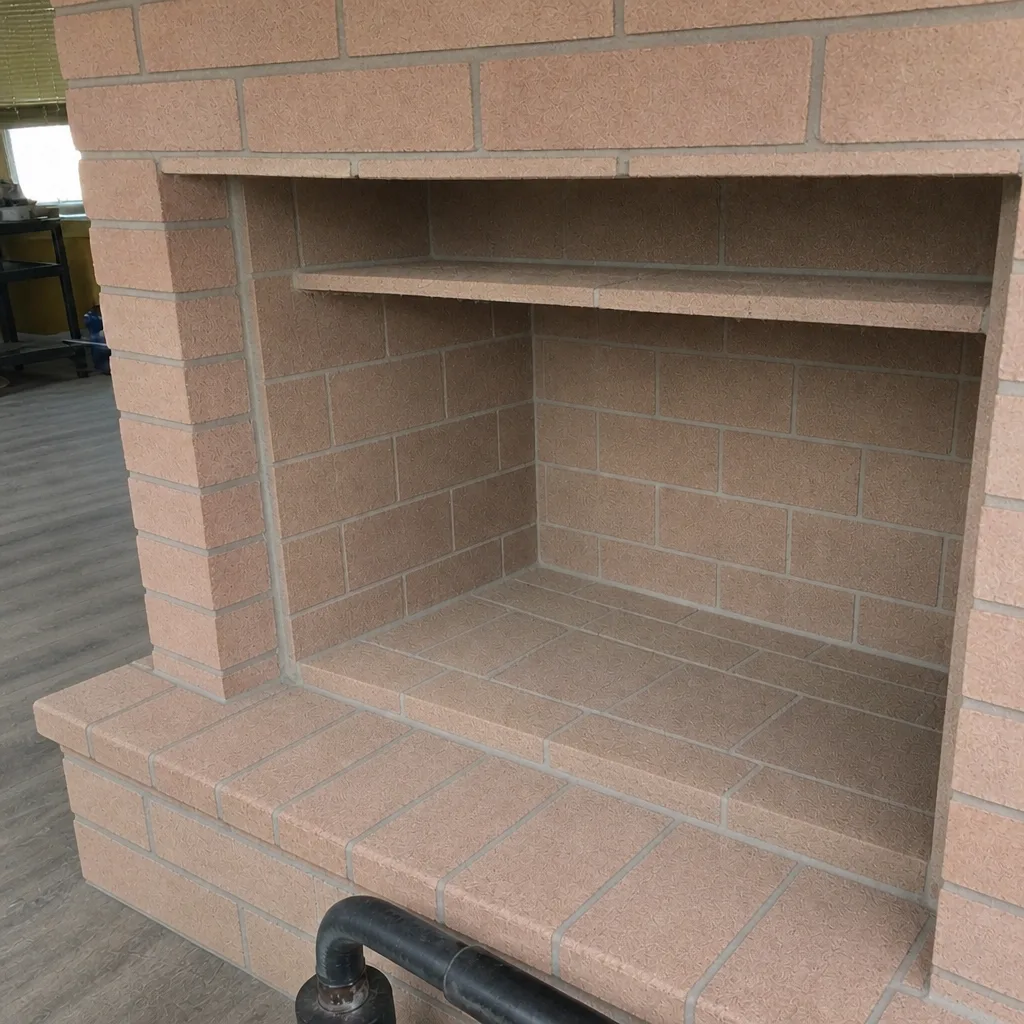
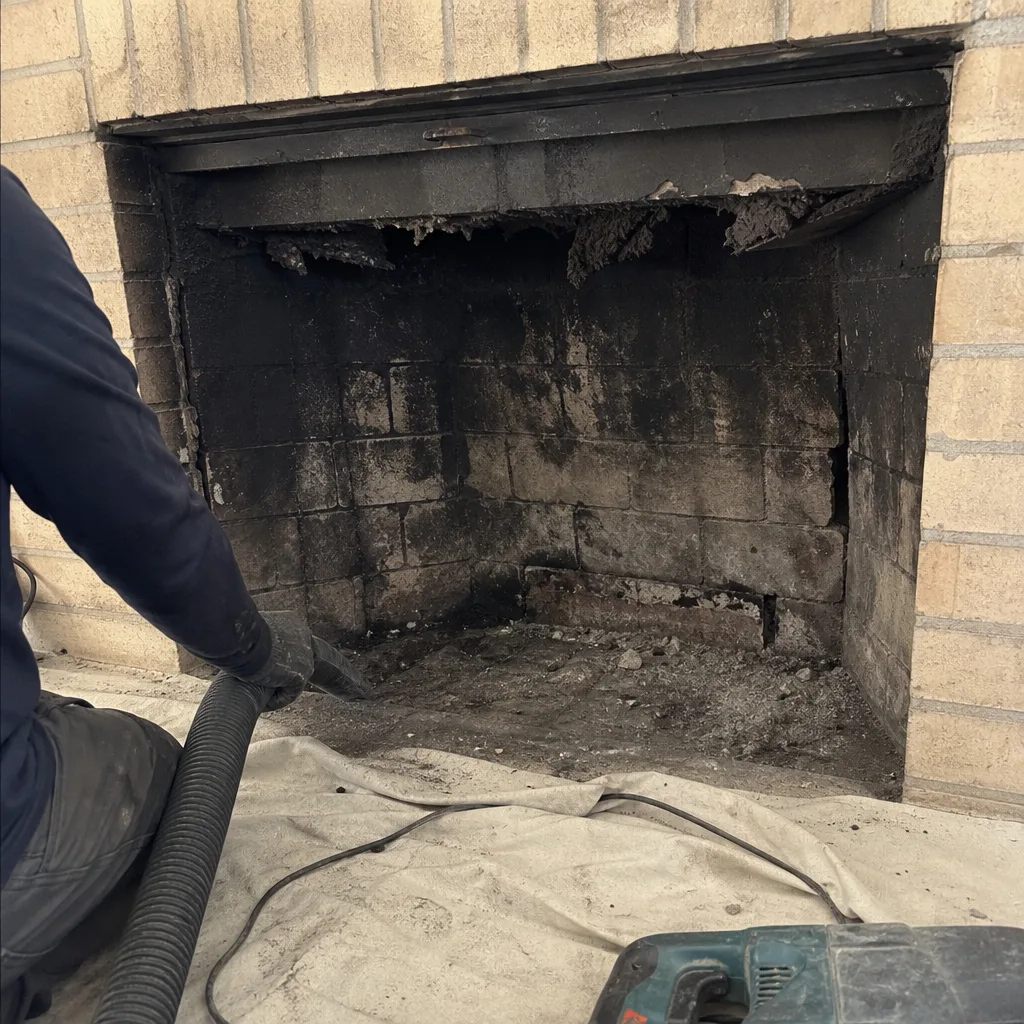
See the difference
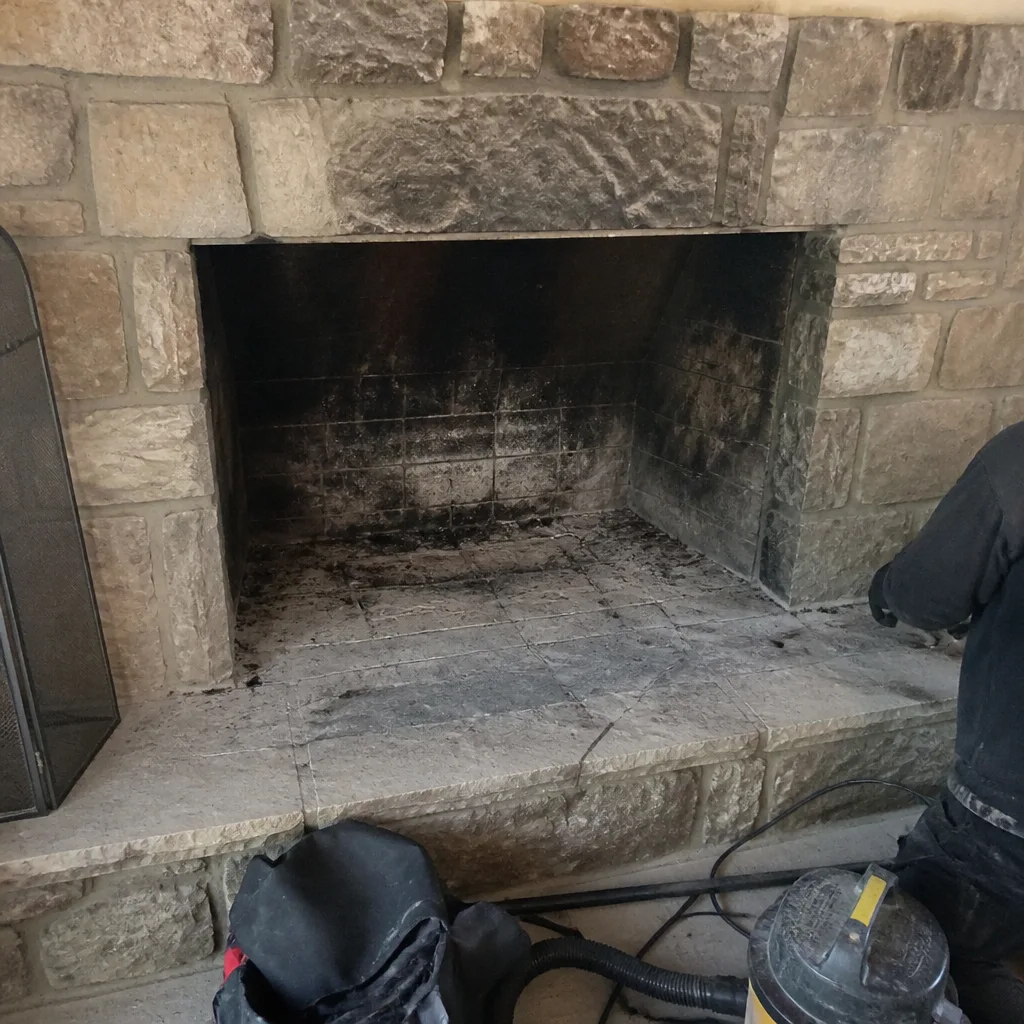 Before
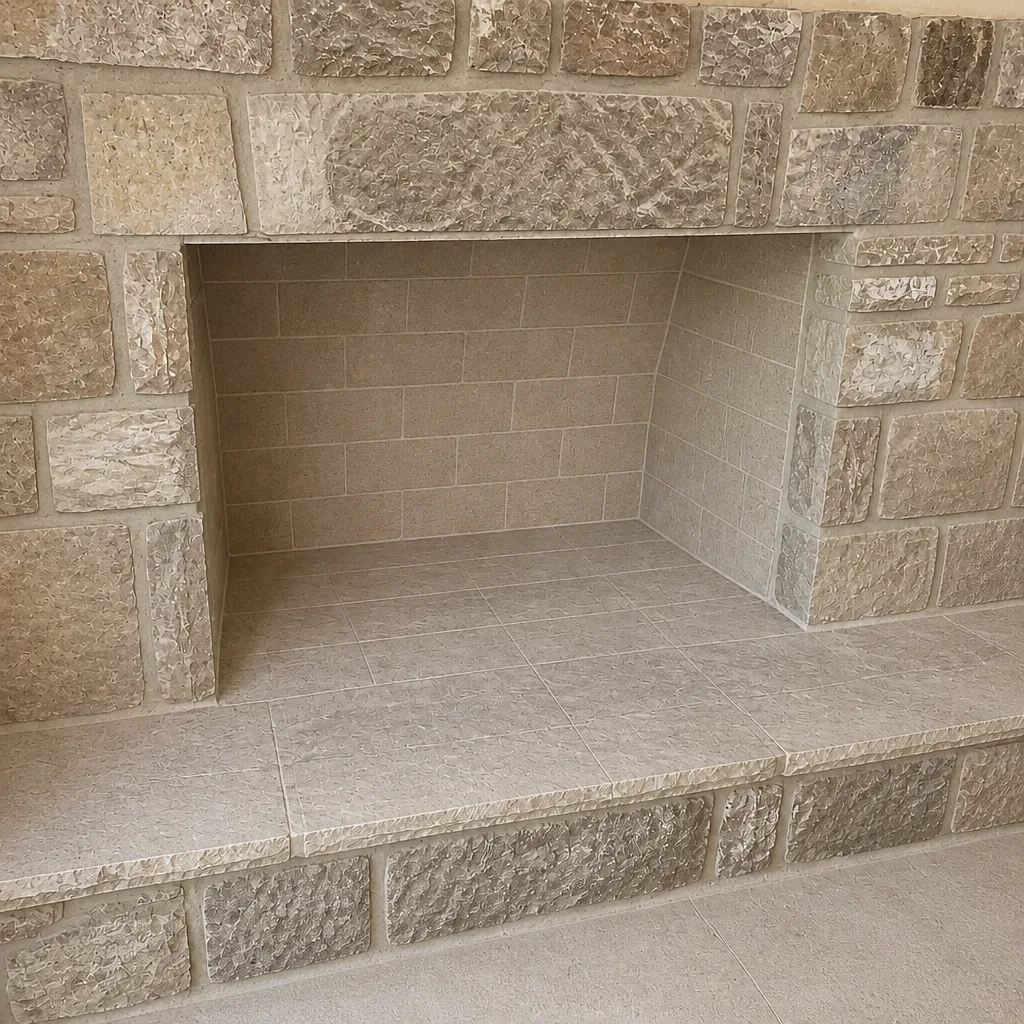 After
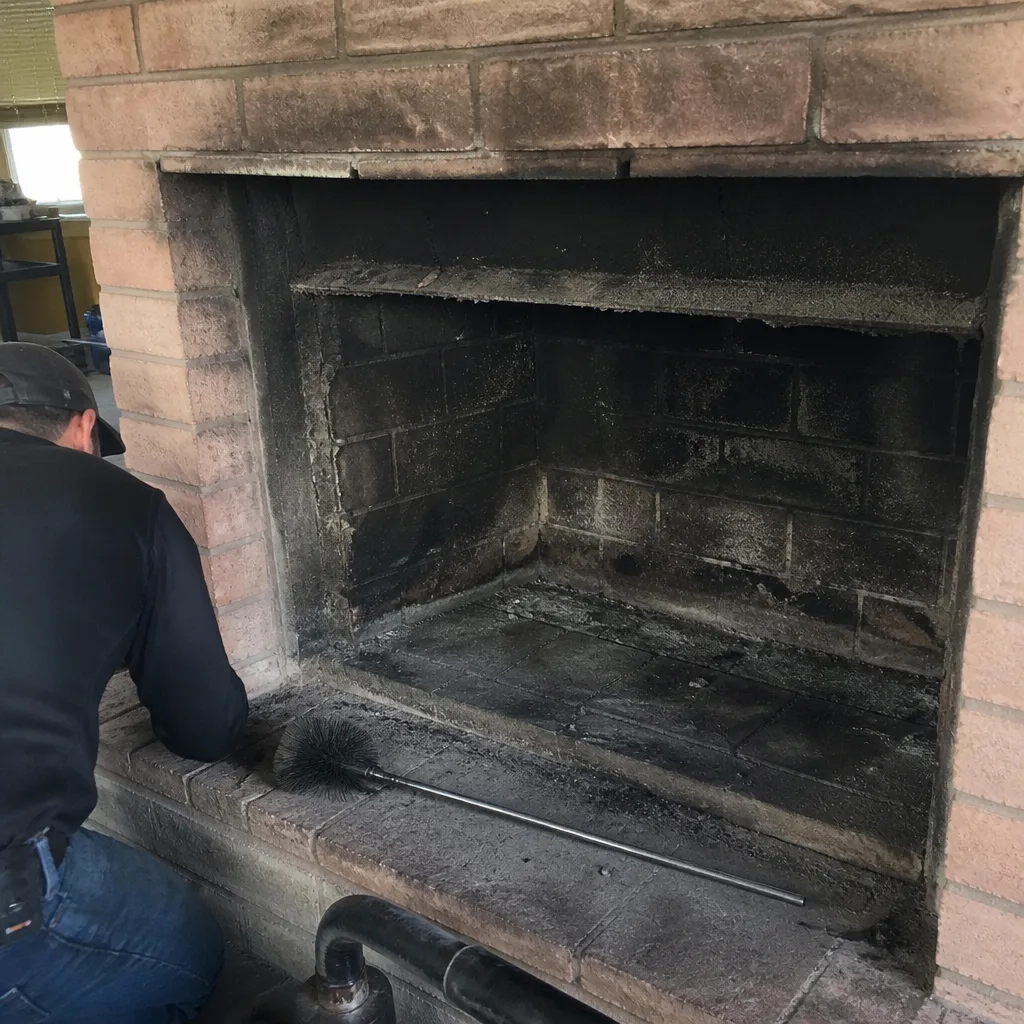 Before
 After
 Before
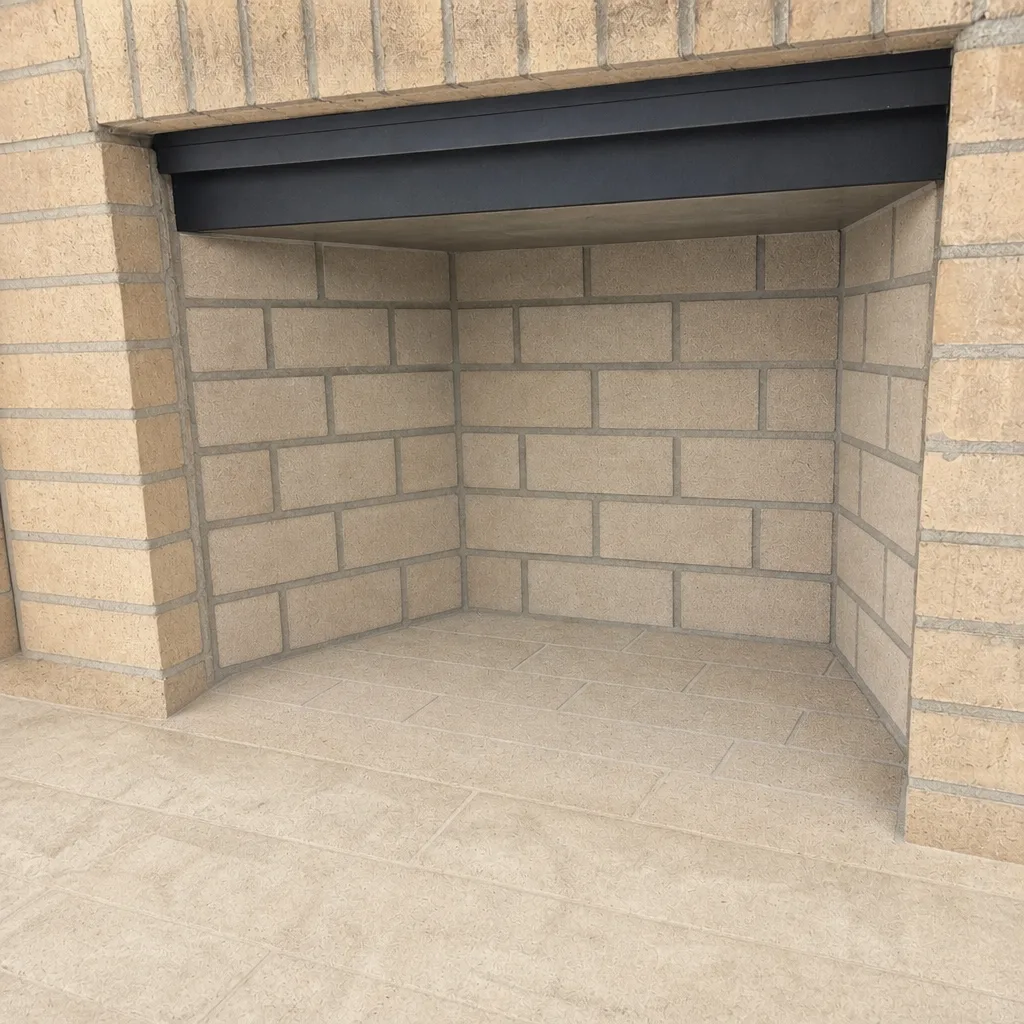 After
When to Call a Professional
Call a professional before you buy anything for the inside of the flue, and get an inspection if you haven’t had one this year or since your last fire. You’re due for a call if the fire smokes into the room on start-up, if you see any sign of glazed creosote on the flue walls, if you have animal intrusion in the cap area, if water shows up inside the firebox after a monsoon, or if the last owner’s maintenance history is unknown. A professional sweep and inspection answers the flue questions directly, and a camera image tells you what you’re actually buying a product for.
Chimney Sweep Yuma offers free estimates in Yuma, and our scope covers Chimney Sweep Yuma customers across the three core services: sweeping, repair, and inspection, with product lines like DuraFlex, HeatShield, Gelco, Olympia Chimney, Famco, and Copperfield. Call (866) 389-5011 for an estimate. We answer 24/7. Fast dispatch from 7am to 7pm, Sunday through Friday. For our service area and scheduling details, see Yuma and the surrounding neighborhoods.
Frequently Asked Questions
Some are, and some aren’t. Preventive additives and creosote modifiers have a real place when a professional has inspected the flue and told you which category fits. Cleaning chemicals can help with certain deposits. But no retail cleaning product replaces the sweep that physically removes the buildup, and none of them is a substitute for an inspection that tells you what’s in the flue. Buy the product after the inspection, not before.
A creosote remover physically removes deposits from the flue wall during a cleaning, usually with a chemical or mechanical action. A creosote modifier changes the chemistry of the deposit so a sweep can break it off more easily later, and it usually needs a sweep to have any effect. The two are often confused because both labels say “creosote.” Read the back panel to see which one you’re holding. If it says “burn with the fire,” it’s a modifier.
You need a cap that survives UV and summer heat without warping, and that uses stainless fasteners so the monsoon winds don’t lift it off. Thick stainless or properly coated galvanized steel holds up far better than the thin stamped caps in hardware stores. The mesh also has to be sized to keep Yuma’s birds and rodents out without strangling the draft on a short flue. A specialist can tell you which size fits your flue opening and stack height.
You can apply a vapor-permeable sealer to exposed masonry yourself if you know what you’re working with. The catch is you almost certainly don’t know what the crown and flashing are doing, and sealer over a crack in the crown is a waste of product. An inspection first, then waterproofing with the right formulation for your masonry type and Yuma’s climate. That order matters more than the brand of the sealer.
We specify product lines that come through the professional trade supply chain, not the retail aisle. For liners that means flexible systems like DuraFlex for offset or non-standard flues, and ceramic resurfacing like HeatShield when a flue can be restored rather than relined. For caps and venting, Gelco and Famco. For chimney structural repair, Olympia Chimney and Copperfield. If a repair proposal doesn’t name a product and explain why it fits your flue, ask why not.
Yes, in two specific cases. The first is buying a preventive additive on a flue that already has heavy creosote, because the additive does nothing for existing buildup and can create a false sense of safety. The second is buying a sealer or a liner repair product without an inspection, because you’ll almost certainly buy the wrong thing for what’s actually there. In both cases the right first purchase is an inspection, not a bottle.
The Bottom Line
Chimney products range from genuinely useful to marketing filler, and the difference comes down to whether the product matches the actual condition of your flue. Three categories help you sort them: cleaning tools that do the work at the sweep, modifiers that prepare the way, and preventive additives that slow new buildup. Everything else, caps, sealers, liner systems, is a specification question. Buy caps and sealers based on Yuma’s sun and heat, not on a wet-climate label. Buy liner repair products through the professional supply chain, because a retail substitute isn’t the same job. And when a recommendation names a product, ask why that product and why this flue. That’s the question that separates a specification-driven recommendation from a margin-driven one, and it’s the question a real chimney specialist is happy to answer.
If you want that conversation about your chimney, call (866) 389-5011 for a free estimate. We answer 24/7. Fast dispatch from 7am to 7pm, Sunday through Friday.
Written by the team at Chimney Sweep Yuma.