
Last updated November 16, 2026
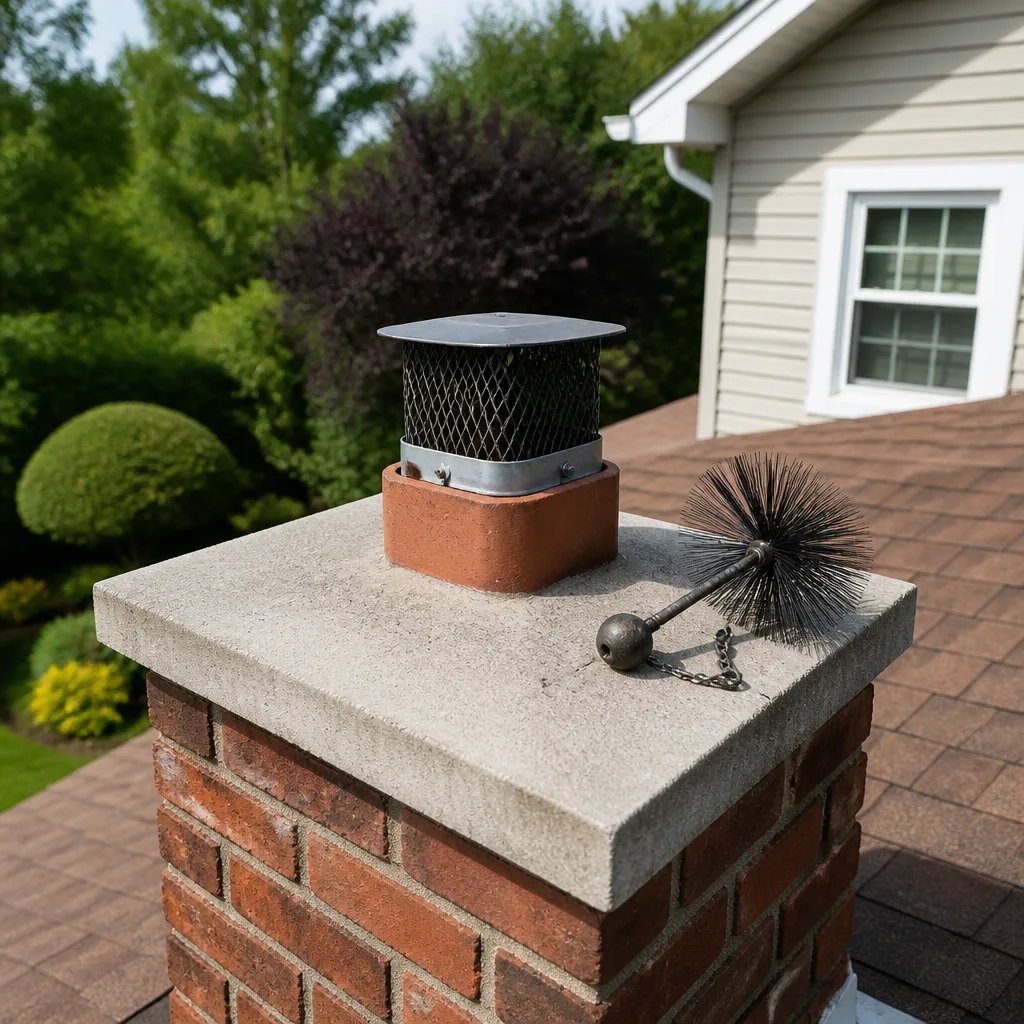 Sweep & inspection
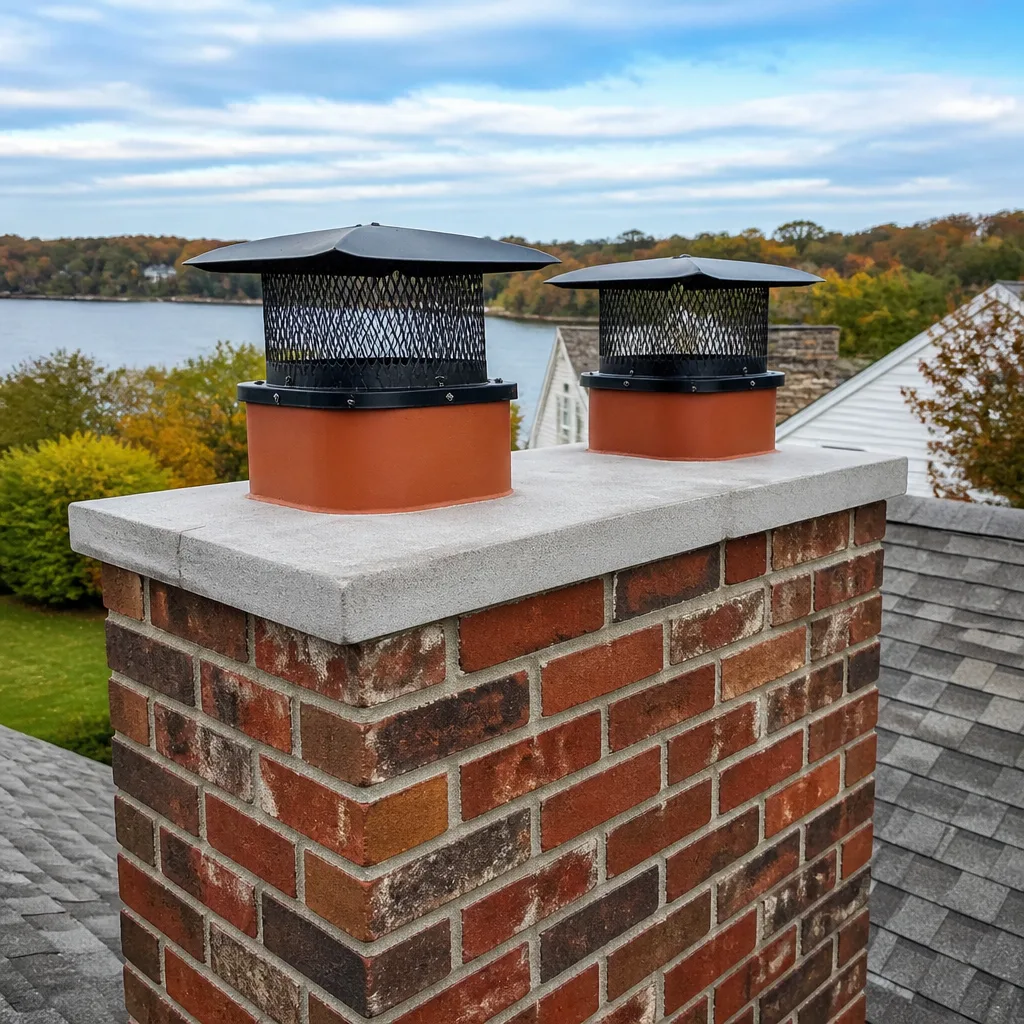 Caps & crowns
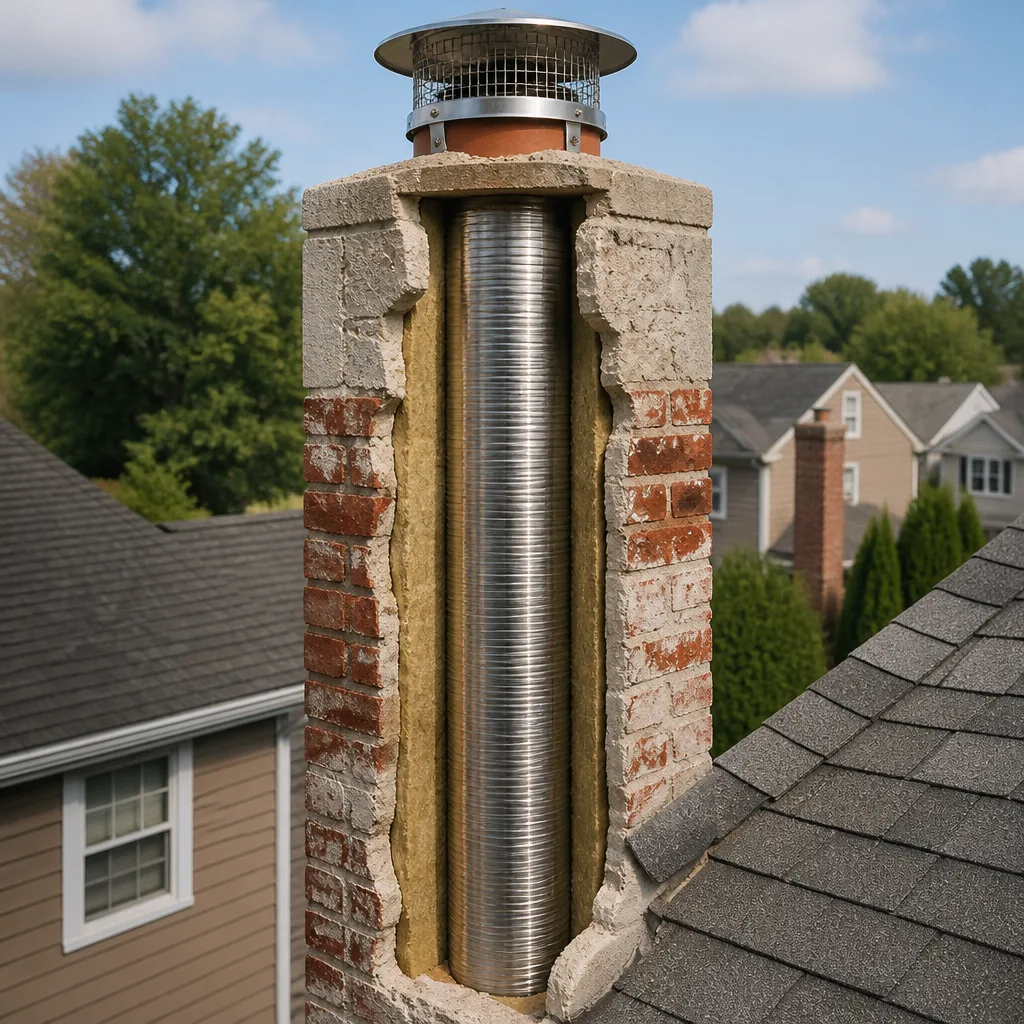 Flue relining
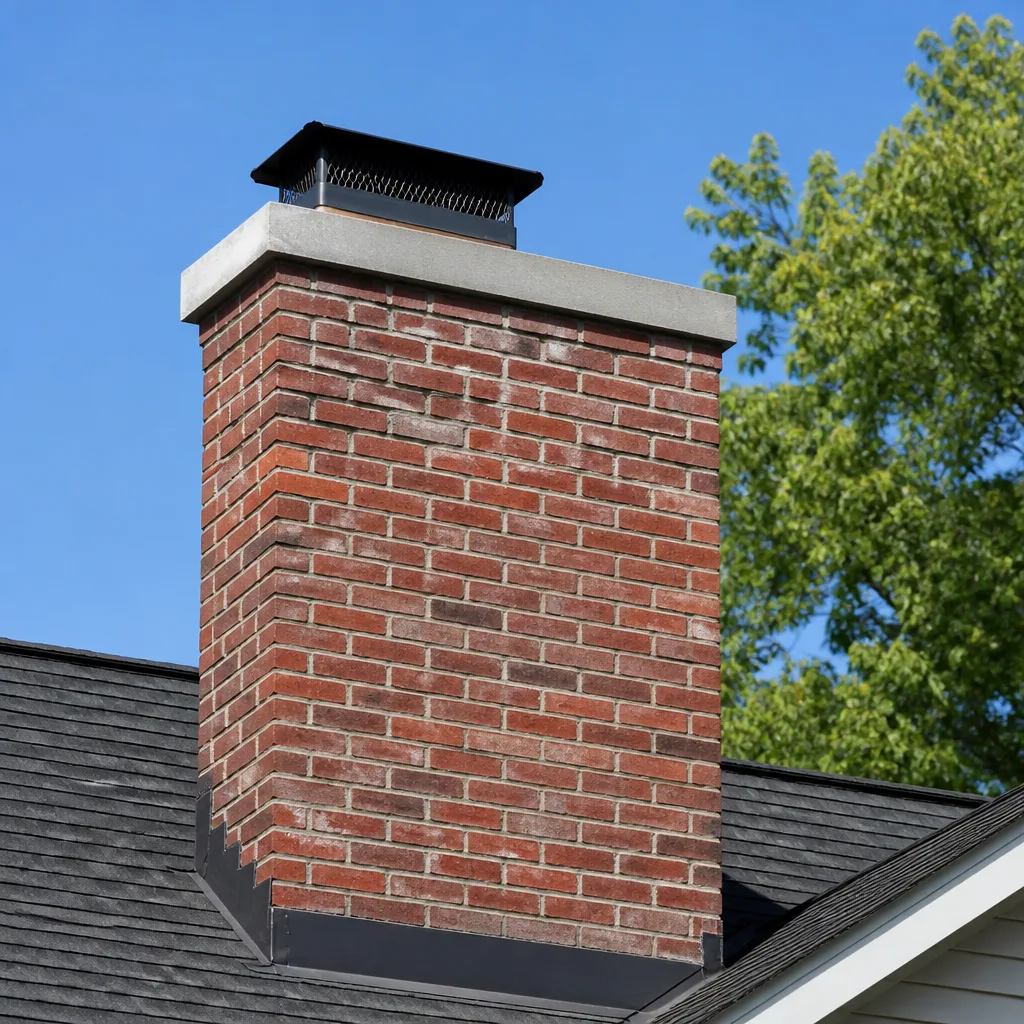 Masonry repair
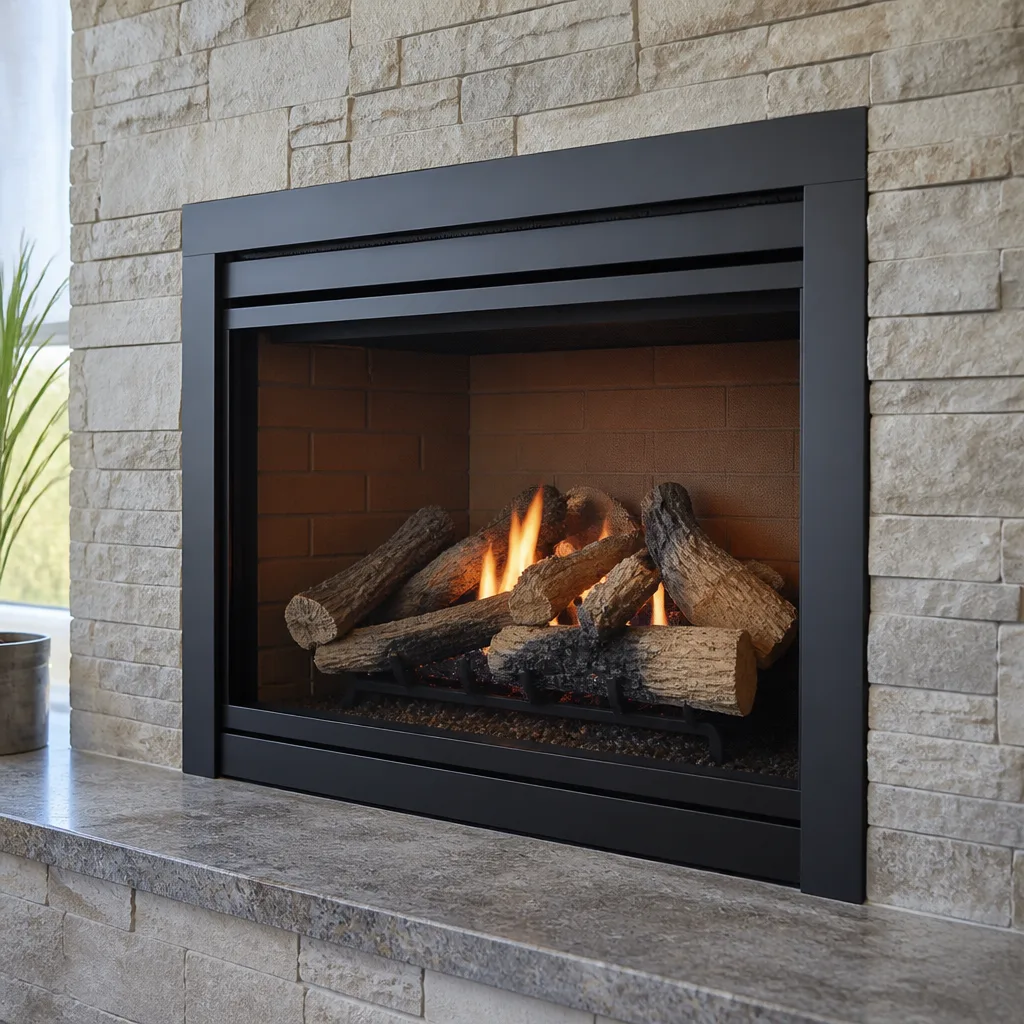 Gas fireplace service
Level 1 sweep and inspection to the NFPA 211 annual standard - flue, crown, cap, and flashing checked and photographed
Chimney sweep logs do not sweep chimneys. They loosen some creosote - which then falls where a brush and vacuum still have to collect it.
How to Hire a Chimney Cleaning Contractor in Yuma: A Step-by-Step Guide
Most chimney problems we’re called out to correct in Yuma didn’t start with the chimney. They started with whoever cleaned it last. A general handyman with a brush on a pole, an HVAC crew adding chimney work to their menu, a roofing outfit that offers a sweep as a seasonal add-on: all of them can leave creosote packed into a flue offset, miss a cracked tile, and hand you a clean-looking firebox that hides a real hazard. The only reliable filter is knowing what to ask before you book anyone. This guide walks you through it step by step, from verifying a certification in under a minute to reading an estimate line by line, so you can tell a chimney specialist from a chimney opportunist in Yuma.
Quick Answer
Hire a chimney cleaning contractor in Yuma by verifying that they are chimney-focused rather than a generalist adding sweep work to a menu, confirming their CSIA credential through the CSIA’s own directory, and requiring a written estimate that itemizes the sweep, the inspection, and any repair separately. A legitimate contractor will show you camera or photo documentation of your flue before recommending work, will use recognized industry product lines like Gelco caps or Olympia Chimney components rather than generic hardware-store parts, and will tell you plainly when a repair can safely wait.
Styles & brands we work with
- Sweep & inspection
- Caps & crowns
- Flue relining
- Masonry repair
- Gas fireplace service
Table of Contents
- Why a Chimney Specialist Beats a Generalist in Yuma
- How to Verify CSIA Certification in Under 60 Seconds
- The Five Questions That Reveal a True Chimney Contractor
- What a Legitimate Written Estimate Should Itemize
- Red Flags Specific to the Yuma Market
- How to Evaluate Before-and-After Documentation
- What Actually Happens During a Professional Sweep
- How Often to Schedule and When to Book in Yuma
Why a Chimney Specialist Beats a Generalist in Yuma
A chimney is a narrow vertical passage with offsets, a smoke chamber, a damper, and a crown at the top. It is a single-purpose system, and it fails in specific ways: creosote glazing in the upper flue, spalled mortar joints between tiles, a cracked crown letting in monsoon rain, a cap that’s missing or loose and letting birds and debris in. A chimney specialist sees these failure modes every working day. A generalist sees them occasionally, if at all, and often doesn’t have the camera or the products on hand to address them when they do.
In Yuma specifically, the mix of trades willing to take on chimney work is unusually broad. HVAC companies here handle cooling all summer and sometimes offer chimney cleaning as a fall add-on when the cooling work drops off. Roofing crews work the same shoulder seasons. Handymen advertise chimney sweeps alongside gutter cleaning and pressure washing. None of these are inherently dishonest. But none of them are set up to inspect a flue properly, resurface a spalling smoke chamber, or install a flexible liner around an offset.
When we survey a chimney that’s been serviced by a non-specialist, the pattern is consistent. The firebox looks swept. The flue between the firebox and the first offset may be brushed. The upper flue, the smoke chamber, and the crown are untouched because getting to them requires the right rods, the right camera, and the right knowledge of what’s normal versus what’s a problem. The homeowner paid for a service and got a partial one.
The practical takeaway: the person you hire should spend most of their working life on chimneys. If chimney work is one line item among twenty on their website, that tells you something. If it’s the entire business, that tells you something else.
How to Verify CSIA Certification in Under 60 Seconds
CSIA stands for Chimney Safety Institute of America. It’s the recognized credentialing body for chimney sweeps in the United States, and its directory of certified sweeps is publicly searchable. Verification takes less time than it takes to make coffee.
- Ask for the credential by name. When you call a contractor, ask directly: “Are you CSIA certified, and can you give me the name your certification is listed under?” A certified sweep will answer without hesitation. A non-certified one will often deflect with “we’re licensed and insured” or “we’ve been doing this a long time.” Those aren’t the same thing.
- Search the CSIA directory. Go to the CSIA website and use the “Find a Certified Professional” search. Enter the name you were given and your state. The listing should come up immediately.
- Cross-check the name. If the person on the phone gives you a company name but the directory lists an individual, confirm they’re actually the one who will perform the inspection. A company can employ certified sweeps, but the certification belongs to a person.
- Note the expiration. CSIA certification requires continuing education to maintain. A listing that’s current tells you the holder is keeping up with standards. A lapsed certification is worth questioning.
Why does this matter more than a license? Because chimney work in many states, including Arizona, doesn’t have a dedicated licensing category the way electrical or plumbing does. CSIA certification fills that gap. It’s a credential specific to the work you’re paying for, and it’s independently verifiable. That’s a meaningful filter in the Yuma market, where someone can hold a general contractor’s license and still never have learned how a smoke chamber is supposed to look.
Certification isn’t the only signal, but it’s the fastest one. If a contractor can’t pass this first check, the rest of the conversation rarely gets better.
The Five Questions That Reveal a True Chimney Contractor
These are the questions we’d ask if we were hiring someone to work on our own chimney. Each one is designed to surface a specialist quickly. A true chimney professional answers them without hesitation. An opportunist stumbles on at least one.
- “What does your inspection include, and will I get a written report?” A proper inspection covers the firebox, damper, smoke chamber, flue, crown, and cap, and it produces a written report with photos. If the answer is “we’ll let you know if anything’s wrong,” that’s a sweep, not an inspection. Those are different services and the difference matters.
- “Do you use a camera to look at the flue?” A camera is how a chimney specialist sees the parts of the flue that a brush can reach but the eye cannot. If the contractor doesn’t have one, they’re guessing. Guessing is how a homeowner ends up being told they need thousands of dollars of liner work with no way to verify it.
- “What product lines do you work with for liners and caps?” A chimney specialist will name specific industry-grade brands. Generic answers or “whatever’s in stock” signal a contractor who buys from a hardware store rather than a chimney supplier.
- “Do you also do masonry repair and resurfacing, or just sweeping?” If a sweep can only clean, then any repair they uncover requires a second contractor, a second visit, and a second set of questions. Full-service chimney contractors handle sweeping, repair, and inspection in one scope.
- “If you find a problem, how will you show me and how will you price it?” The right answer involves photos or camera footage, a written estimate with line items, and a clear statement of what can wait versus what can’t. If the answer is a lump-sum number delivered verbally, ask for it in writing.
Anyone who answers all five cleanly is probably a chimney specialist. Anyone who fails one or two is worth a second look. Anyone who fails three or more is a generalist, and generalists, in our experience, are how chimney problems get missed in Yuma.
What a Legitimate Written Estimate Should Itemize
A written estimate for chimney work should separate the sweep, the inspection, and any recommended repair into distinct line items with distinct prices. That structure exists for your benefit: it lets you see exactly what you’re paying for and lets you compare quotes fairly. A quote that bundles everything into one figure hides the most useful information.
Here’s what a well-structured estimate includes:
- The sweep itself, priced separately. Sweeping a standard flue is a distinct service from inspecting it, and both should be itemized.
- The inspection level. Chimney inspections come in levels (Level 1, Level 2 with camera, Level 3 for serious problems). A professional estimate names the level being performed. If it doesn’t, ask.
- Any recommended repair, with the specific product named. If a new liner is recommended, the estimate should name the liner system (e.g., DuraFlex flexible liner) and describe the configuration. If resurfacing is recommended, the estimate should name that too (e.g., HeatShield). Generic terms like “liner replacement” without a product name are a warning sign.
- What’s included in the price and what isn’t. Camera inspection, photo report, disposal of debris, and post-work cleanup should be clear. If any of these are extra, you should know before the work starts.
- A statement of what can wait. A good estimate tells you which repairs are urgent and which can be scheduled for a later season. This is the line that distinguishes a chimney professional from a salesperson.
- An expiration or validity window. Repairs don’t change price overnight, but a reputable estimate has some frame of reference for when it was issued.
Vague language on a quote that signals a problem: “as needed,” “typical chimney work,” “plus materials at cost,” “price subject to accessibility,” and “to be determined upon arrival.” Any of those phrases appearing in place of specific numbers or specific product names means the quote isn’t a quote yet. It’s a placeholder. Ask for a real one before anyone climbs on your roof.
Red Flags Specific to the Yuma Market
Yuma’s seasonal economy creates a particular pattern of contractor behavior that doesn’t show up the same way in larger cities. Some of it is legitimate seasonal scheduling. Some of it isn’t. Here’s what to watch for.
- Out-of-state license plates and no Arizona business registration. Yuma sees contractors working seasonal routes from other states. If the business can’t produce an Arizona business registration and a local contact you can reach after the work is done, you’re relying on their truck still being in the area if something goes wrong. Ask for both.
- No verifiable local address. A contractor whose only contact method is a cell phone and a website is a contractor you can’t reach if a problem emerges six months later. Legitimate businesses can be reached by mail and by phone after the job is complete.
- Cash-only pricing with no receipt. We’ve heard this pattern in Yuma from customers who called us to fix what was left behind. A contractor who won’t accept a traceable payment method and won’t produce a written receipt isn’t someone to do business with.
- Recommendations made before any inspection. If a contractor arrives and recommends liner replacement or masonry work before they’ve inspected the flue, walk away. Recommendations without evidence aren’t recommendations. They’re guesses, or worse.
- Unwillingness to put a recommendation in writing with photos. In our view, every recommendation should be traceable to a photo or a camera image you can look at yourself. If the contractor can’t produce that, you can’t evaluate their recommendation.
- No named product lines on the estimate. A local contractor working with professional-grade materials names them. Even a mention of Gelco caps or Famco venting components on a quote tells you they source from chimney suppliers rather than a home improvement aisle.
None of these red flags individually means a contractor is dishonest. One flag alone is worth a question. Two or three together is a reason to look elsewhere.
How to Evaluate Before-and-After Documentation
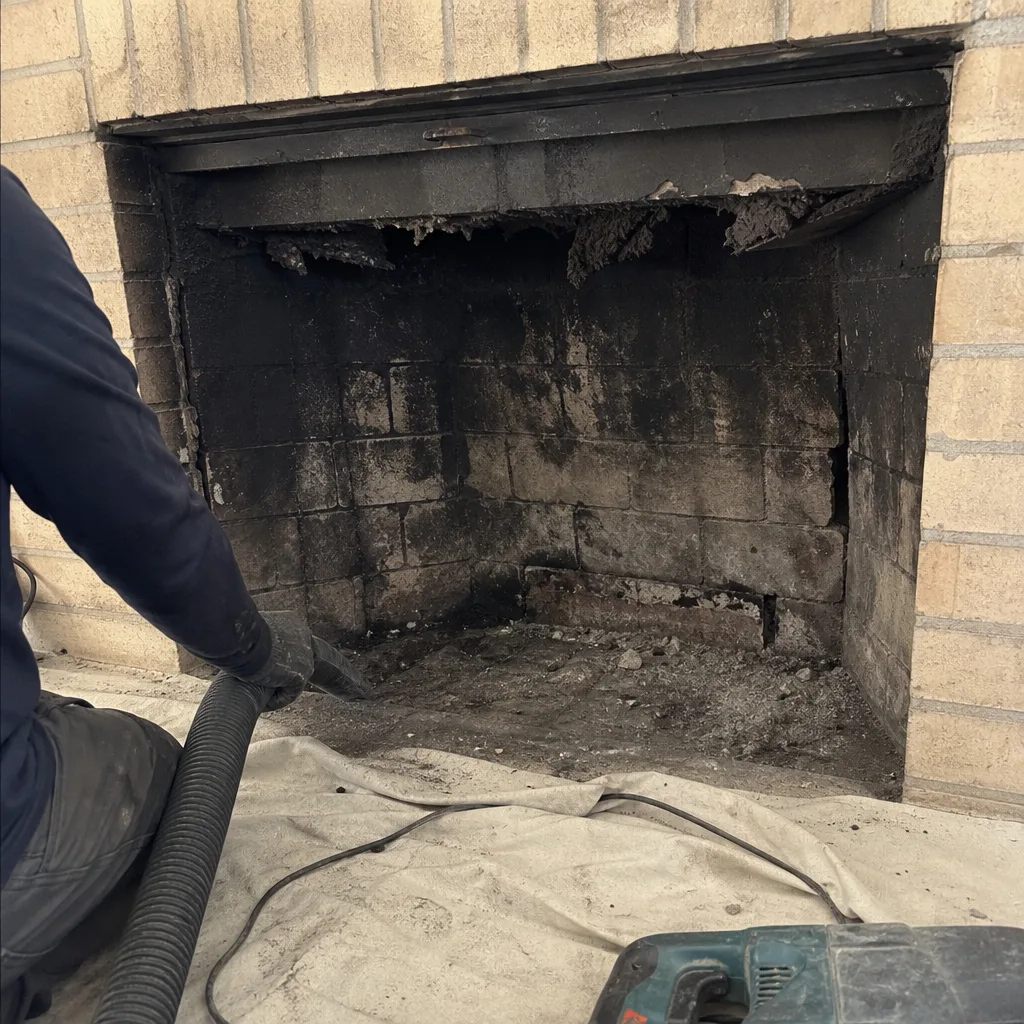
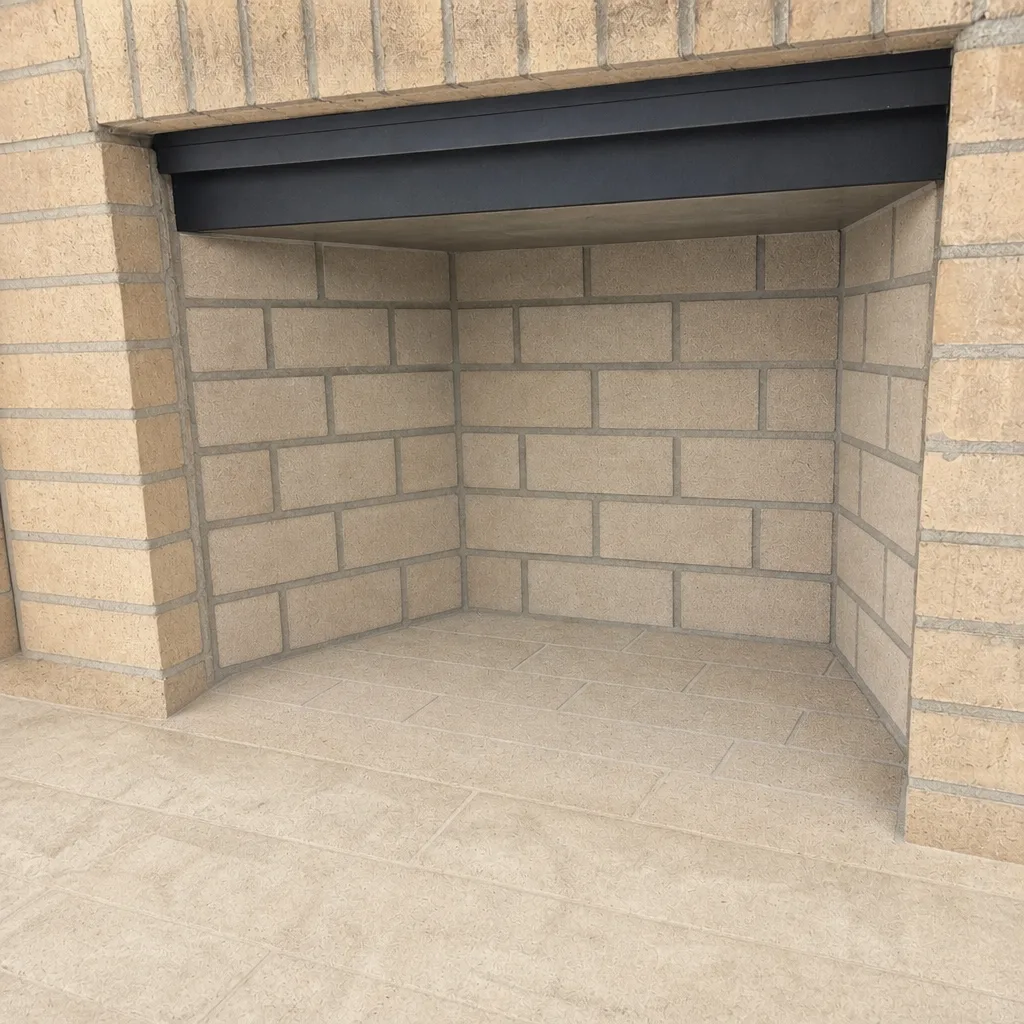
A photo of a swept firebox proves someone was there. It doesn’t prove the flue was cleaned. The documentation that actually tells you something is the before-and-after set of the flue itself, and the inspection report that goes with it.
Here’s what to ask for and what to look at:
- Ask for camera imagery of the flue before and after the sweep. The camera view inside the flue is where creosote accumulation actually lives. If a contractor can’t show you the inside of the flue before the sweep and after, you don’t actually know what was cleaned.
- Ask for photos of the crown, cap, and flashing. These are the components that let water in and cause the deterioration that eventually drives repair costs. They’re accessible from the roof and easy to photograph. A professional will include them.
- Look for consistency between the images and the reported findings. If the report says the flue was heavily loaded and the after-photo shows clean tile, that’s consistency. If the report describes heavy creosote and the photo shows a clean flue, that’s a mismatch worth asking about.
- Ask what the contractor didn’t find. This is an underrated question. A chimney professional will tell you what was normal, because they’re confident about their read of the flue. A salesperson will only tell you what they think needs fixing.
- Compare the before-and-after of the flue to the estimate. If the estimate recommends resurfacing, the photo should show the spalling or cracking that justifies it. If the photo shows clean tile, the estimate should be revised, not ignored.
The point of documentation isn’t to verify that a contractor showed up. It’s to give you the same view they had. When we recommend work, the photo of the problem should be visible to the homeowner before the estimate is signed. If it isn’t, ask why.
What Actually Happens During a Professional Sweep
A professional chimney sweep is not a brush on a pole shoved down a flue. It’s a sequenced set of steps that protect your home and produce a documented picture of the chimney’s condition. In our experience, here’s what a proper sweep involves.
- Setup and protection. Drop cloths go down around the hearth. A high-efficiency vacuum is set up to capture dust and debris. Any furniture near the fireplace is moved or covered.
- Firebox and damper check. Before sweeping, the technician checks that the damper opens fully, inspects the firebox for cracks, and confirms the flue path is accessible.
- Sweeping. The flue is swept with the appropriate rods and brushes for the flue’s size. If the flue has offsets, the brushes and rods are sized to navigate them. Creosote is captured and removed, not left on the walls.
- Smoke chamber and damper. The smoke chamber above the damper is a common place for creosote glazing to build up. It’s cleaned as part of a full sweep.
- Camera inspection. This is where the actual diagnosis happens. The camera goes into the flue and the technician views the full length, looking for cracks, gaps, spalling, and blockages.
- Crown, cap, and flashing check from the roof. The top of the chimney is checked for a cracked crown, a loose cap, missing screening, or water intrusion points.
- Photo report and walkthrough. The findings are documented with photos and a written report. The technician walks the homeowner through what was found, what needs repair, and what can wait.
- Cleanup. Debris is removed. The firebox and hearth are left clean.
If your sweep skipped step five, you paid for a cleaning and didn’t get an inspection. If your sweep skipped step seven, you didn’t get the information you need to make the next decision. Either omission is why we recommend asking ahead of time whether the sweep includes a camera inspection and a photo report.
How Often to Schedule and When to Book in Yuma
Chimney sweeping frequency depends on how much you burn and what you burn. A homeowner who uses a fireplace most nights during the cool season and burns wood will generally need an annual sweep. A homeowner who lights a fire a handful of times a year will typically get by on a longer interval, but should still get an annual inspection so nothing develops unobserved. Burning seasoned hardwoods produces less creosote than burning green or soft wood, so what goes into the firebox matters.
The timing question in Yuma is about seasons, not urgency. The cool season here runs later and shorter than in most of the country. When the weather turns and homeowners start using fireplaces, that’s when the creosote from the previous season is still sitting in the flue. Sweeping before burning season starts is the practical move: it clears the old accumulation and gives you a full inspection before you add a new layer of creosote on top of it.
Don’t wait for a problem to call. A chimney that’s been in regular use for a full season should be swept before the next one. A chimney in a home that’s new to you, or one whose service history you don’t have, should be inspected before you use it at all. If you’re not sure of the last time yours was cleaned, the honest answer is that you don’t know, and that’s a reason to book.
What to look at yourself between professional visits: the firebox for cracks, the damper for smooth opening and closing, the crown for visible cracking from the ground (with binoculars), and the cap for missing screening. Anything you notice is worth flagging when you book the sweep. A chimney sweep in Yuma who knows what they’re looking at will tell you what’s normal and what isn’t.
Common Mistakes to Avoid
- Booking the lowest-priced quote without checking credentials. A price that’s notably below the local range usually reflects a sweep being done without inspection, without camera, and without documentation. The savings disappear the moment a real problem is missed and needs a second contractor to find it.
- Assuming HVAC or roofing experience transfers to chimneys. Different trade, different equipment, different diagnostic knowledge. A company that’s excellent at cooling doesn’t automatically know how to assess a smoke chamber.
- Accepting a verbal recommendation without documentation. If you’re told you need a liner, ask to see the photo or camera image that supports the recommendation. A chimney professional will show you. A salesperson will push back.
- Skipping the inspection because the firebox looks clean. A clean firebox tells you nothing about the upper flue. The accumulation that matters is higher up and out of sight.
- Waiting until you smell smoke or a draft problem to book. The problems worth catching are the ones that haven’t announced themselves yet. That’s the whole purpose of an annual inspection.
- Not asking for a written estimate with itemized pricing. A lump-sum verbal number is not something you can compare or verify. The written estimate is the document you rely on if anything is unclear later.
- Using a contractor without a local presence. In a seasonal market like Yuma’s, an out-of-state contractor who leaves at the end of the season is one you can’t call back. A local contractor you can reach is worth more than a lower price from someone you can’t.
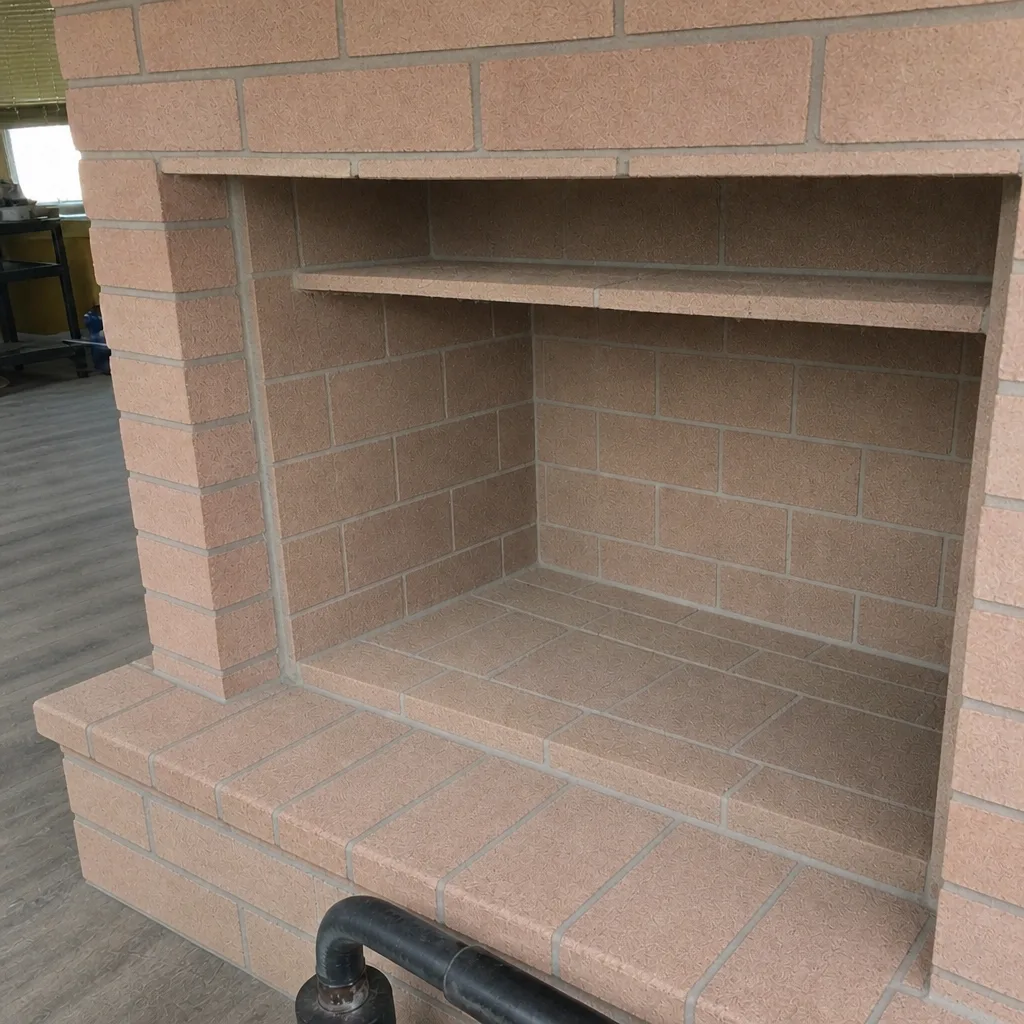
See the difference
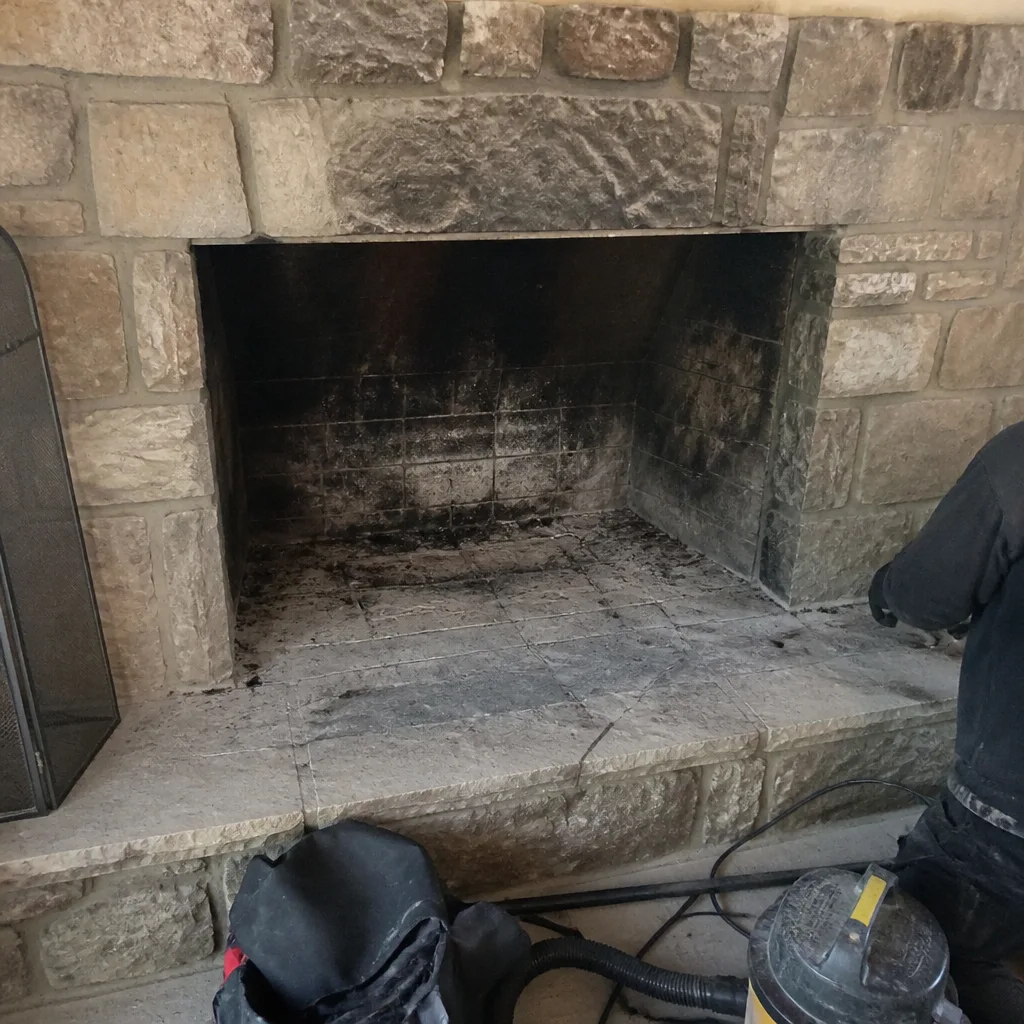 Before
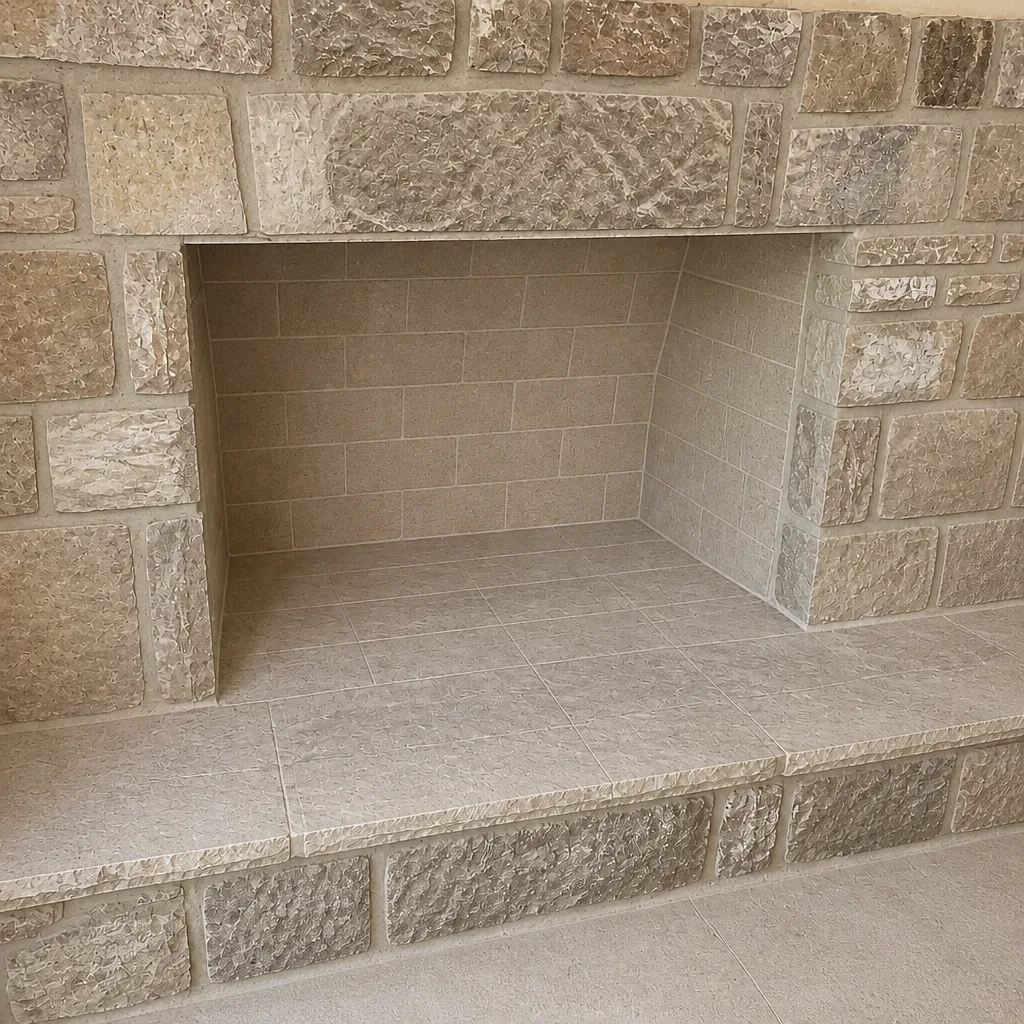 After
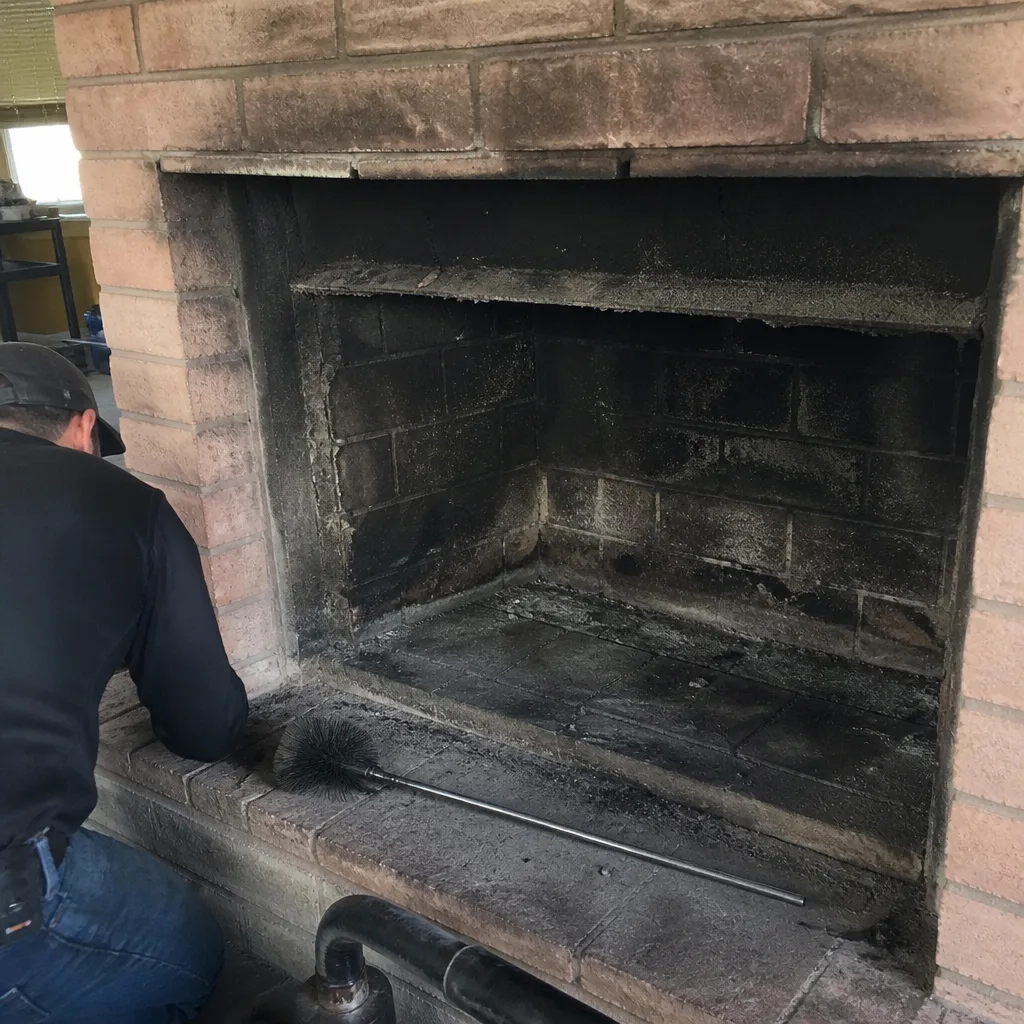 Before
 After
 Before
 After
When to Call a Professional
Call a professional chimney contractor when you can’t remember the last time your chimney was swept, when you’re moving into a home whose chimney service history you don’t have, or when you’re getting ready for the coming season. Call when you notice smoke rolling back into the room, a strong smoky smell that doesn’t clear, or visible cracking in the firebox or crown. Call after any chimney fire, even a small one you think you put out quickly, because the flue needs inspection. Call when a liner, cap, damper, or crown problem has been identified but not addressed, so the fix doesn’t wait until the problem grows. And call if you’ve had recent work done by a contractor you didn’t verify, because we’ve found enough problems after substandard chimney sweep work that we’re comfortable saying it’s worth checking. Chimney Sweep Yuma offers free estimates in Yuma: call (866) 389-5011. We answer 24/7. Fast dispatch from 7am to 7pm, Sunday through Friday.
Frequently Asked Questions
Chimney sweeping costs vary by flue configuration, the level of inspection performed, and whether repairs are needed, so the only honest answer is that a written estimate establishes the price for your specific chimney. The estimate is free, and we’ll itemize the sweep, the inspection, and any recommended repair separately so you can see exactly what you’re paying for. Call (866) 389-5011 for an exact quote.
You need a new liner when the flue’s inner surface can no longer safely contain combustion gases, and you can verify that with a camera image of the flue. A cracked, spalled, or gapped liner is a real problem because gases can escape into the structure of the home. But a liner recommendation should come with visible evidence, and if you can’t see the problem in a photo or camera view, ask to see it before you agree to the work. Call (866) 389-5011 to schedule an inspection that includes a camera view and photo report.
A chimney used regularly through the burning season should generally be swept once a year, and inspected annually even if less sweeping is needed. Burning seasoned hardwoods produces less creosote than burning green or soft wood, so how much you burn and what you burn both affect the schedule. If you don’t know when your chimney was last swept, treat it as due now and call (866) 389-5011 to get it on the calendar before the next season.
Skipping a sweep lets creosote continue to accumulate in the flue, and that accumulation is what creates chimney fire risk. It also means the inspection that comes with the sweep doesn’t happen, so small problems like a cracked tile or a failing crown go unobserved until they become bigger ones. Nothing dramatic happens overnight, but the risk grows quietly with every fire. Call (866) 389-5011 to schedule a sweep and inspection before the accumulation gets another season on top of it.
You can hire anyone you like, but an HVAC company or handyman is doing chimney work as an add-on rather than as their primary trade, and the equipment, diagnostic knowledge, and product lines they have on hand usually reflect that. In our experience, the majority of the chimney problems we’re called out to fix trace back to work done by someone whose main business wasn’t chimneys. If you want the sweep done properly with a camera inspection and a written report, hire a chimney specialist. Call (866) 389-5011 for a free estimate.
A sweep is a cleaning: creosote and debris are removed from the firebox, flue, and smoke chamber. An inspection is a diagnosis: the flue, crown, cap, damper, and firebox are evaluated for condition and any problems are documented with photos and a written report. Both are needed, and a professional sweep should include an inspection along with the cleaning. If your sweep doesn’t include the inspection and the photo report, call (866) 389-5011 to get both in a single visit.
The Bottom Line
Hiring a chimney cleaning contractor in Yuma comes down to a small number of verifiable checks. Confirm the contractor is CSIA certified and verify it in the CSIA directory. Ask the five questions that separate specialists from generalists, and pay attention to which ones they stumble on. Require a written estimate that itemizes the sweep, the inspection, and any repair with named product lines like Gelco, Famco, or Olympia Chimney. And ask to see the before-and-after documentation of the flue itself, not just the firebox. Do those four things and you’ll filter out most of the problems we clean up after. Skip them and you’re hiring on faith. Chimney Sweep Yuma brings professional-grade materials and chimney-only focus to every job in Yuma, and our technicians have up to 13 years of experience. Call (866) 389-5011 for a free estimate. We answer 24/7. Fast dispatch from 7am to 7pm, Sunday through Friday.
Written by the team at Chimney Sweep Yuma.