
Last updated November 16, 2026
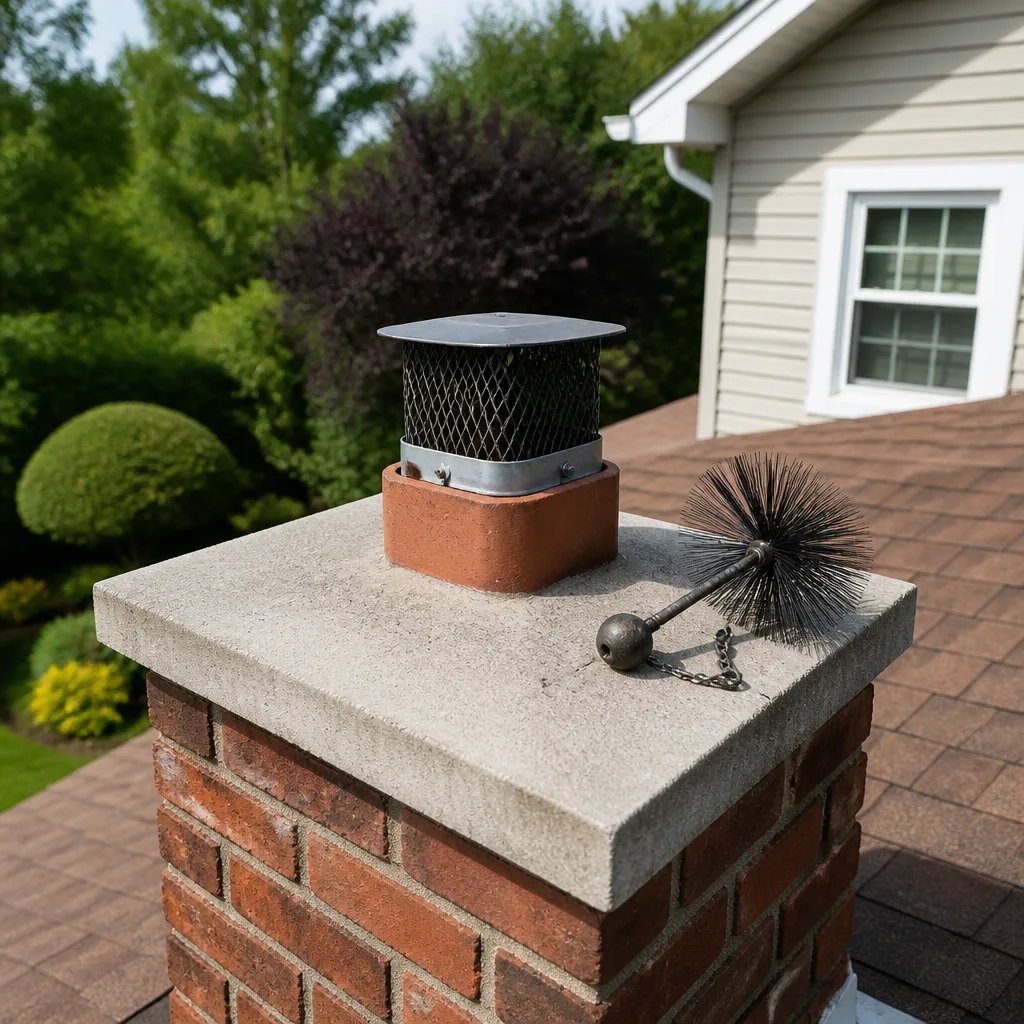 Sweep & inspection
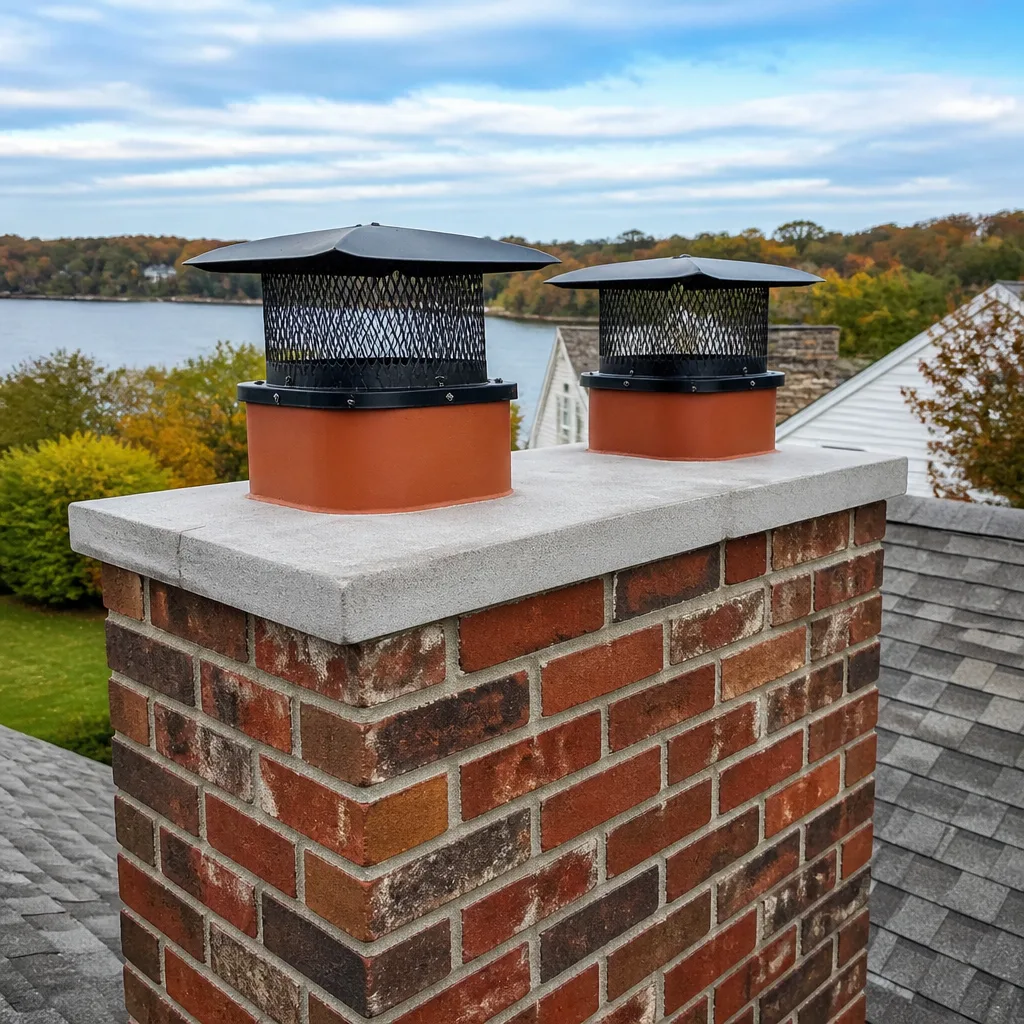 Caps & crowns
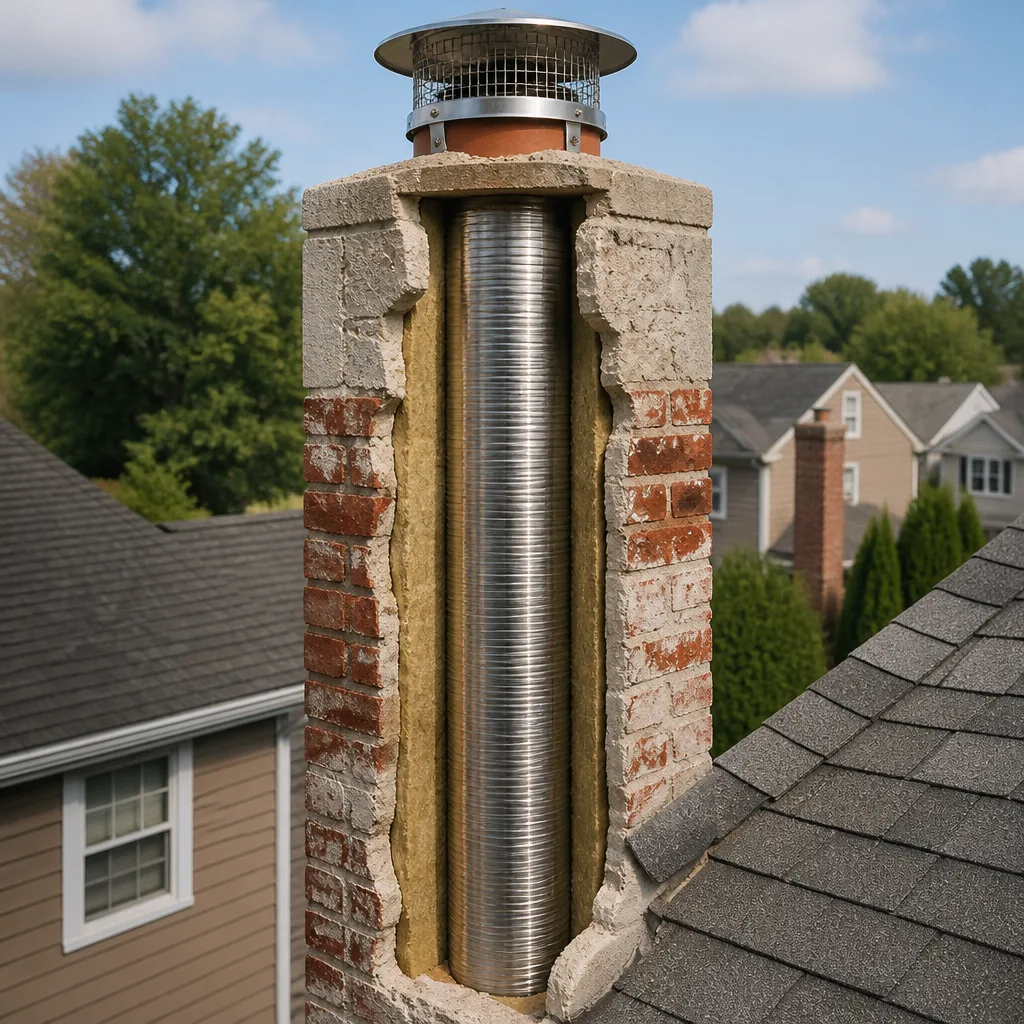 Flue relining
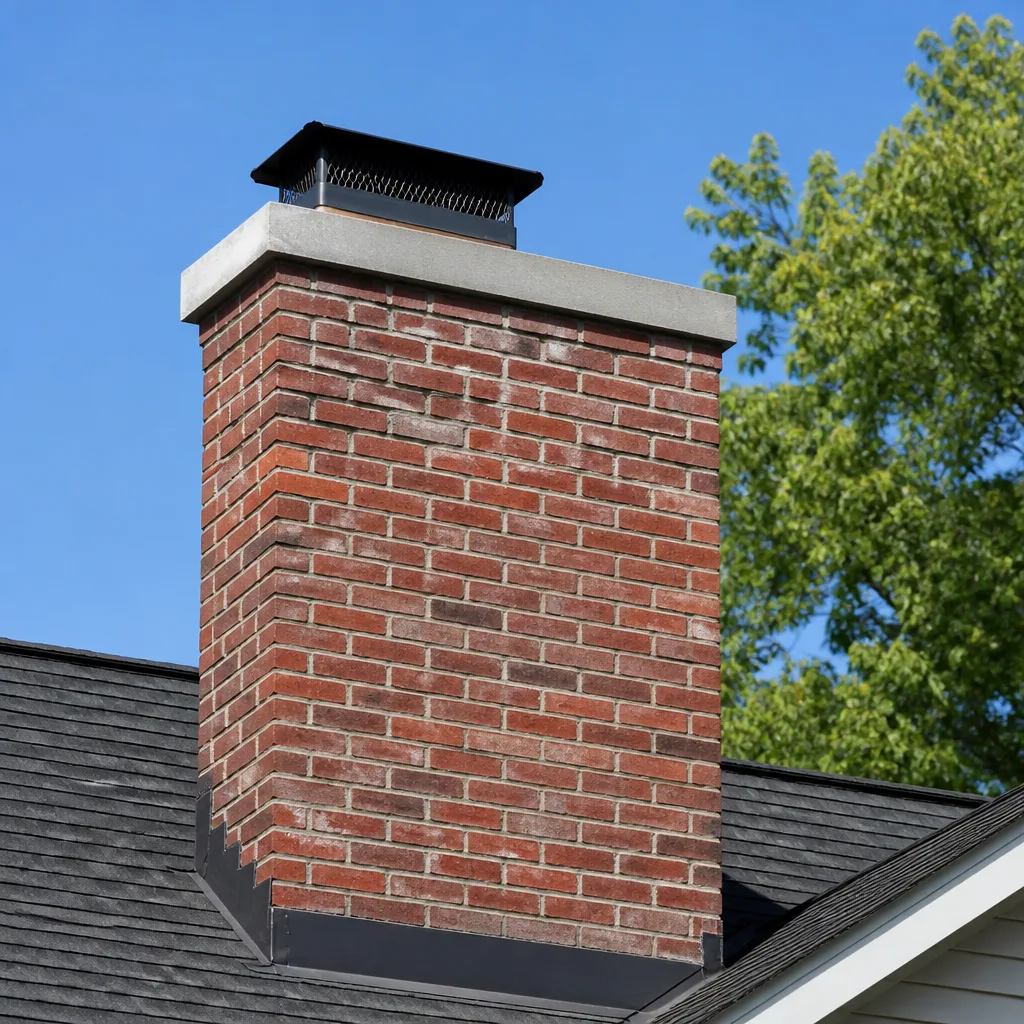 Masonry repair
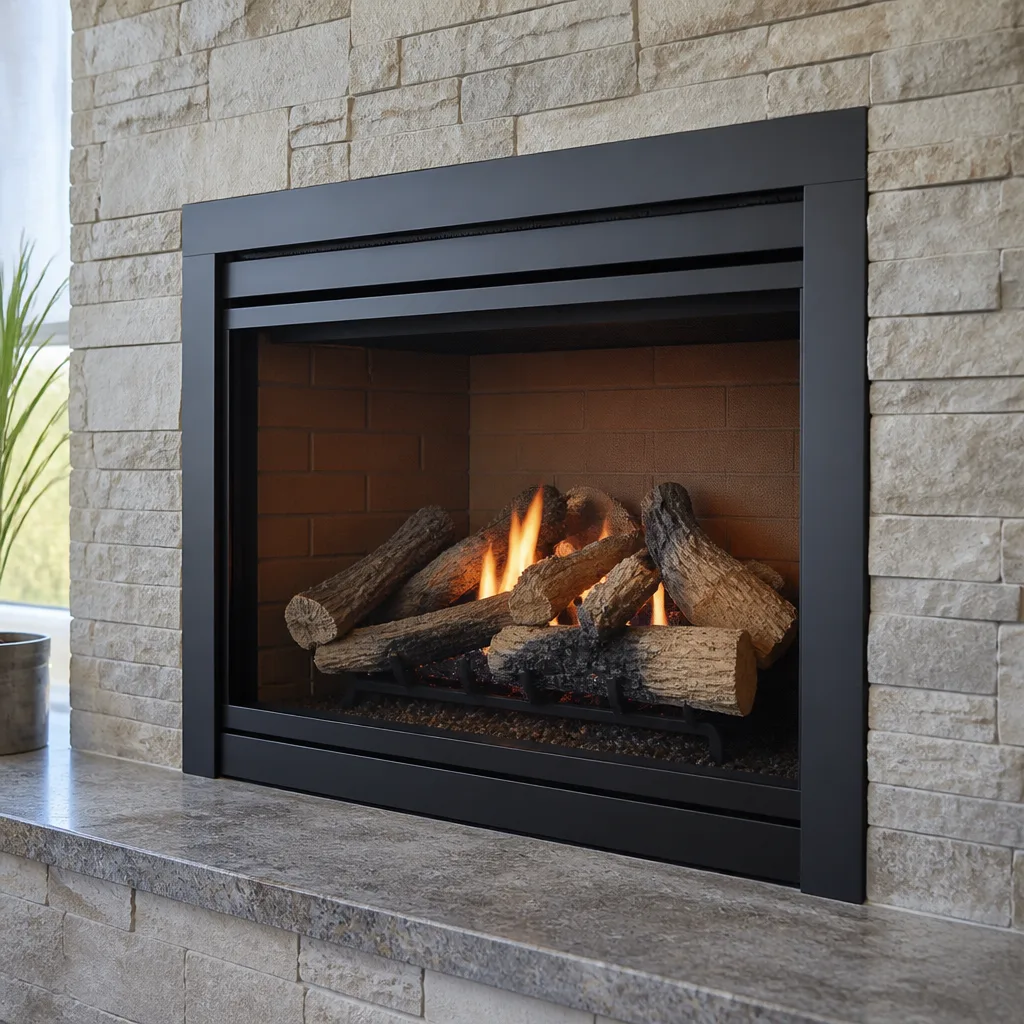 Gas fireplace service
Level 1 sweep and inspection to the NFPA 211 annual standard - flue, crown, cap, and flashing checked and photographed
Chimney sweep logs do not sweep chimneys. They loosen some creosote - which then falls where a brush and vacuum still have to collect it.
Chimney Cleaning Emergency Preparedness Guide for Yuma Homes
Most Yuma homeowners think a chimney emergency means flames shooting out the top of the house. In our experience, the more common danger is quieter: a flue blocked by a bird nest or a fallen tile, a damper left closed, a fire lit for the first time in months on a cool desert evening with the windows shut. That setup can push carbon monoxide back into a tight house long before anyone sees smoke indoors. This guide covers what to do in the first minute of a chimney fire, how to recognize a CO problem tied to a blocked flue, what to do when wildlife turns up mid-burn, what to tell dispatchers, and how to document the event for your insurer. It’s written for Yuma homes that run a fireplace or wood stove a few nights a year and want to be ready.
Quick Answer
A chimney emergency in Yuma is any event where a chimney or flue threatens the people or structure of the home: a chimney fire, a carbon monoxide buildup from a blocked flue, wildlife intrusion during active use, or a sudden structural failure. If there’s active fire in the flue, get everyone out, call 911, and don’t try to fight it from inside. If you smell gas-like odors, feel dizzy, or see soot falling indoors, stop using the fireplace, ventilate, and call for help. Everything else in this guide is preparation: how to prevent these events with inspection and repair, and what to do if one happens.
Styles & brands we work with
- Sweep & inspection
- Caps & crowns
- Flue relining
- Masonry repair
- Gas fireplace service
Table of Contents
- What Counts as a Chimney Emergency in Yuma?
- Chimney Fire in Progress: Your First 60 Seconds
- Recognizing Carbon Monoxide from a Blocked Chimney
- Wildlife Intrusion During Active Fireplace Use
- What to Tell Yuma Fire Department Dispatchers
- Post-Emergency Documentation for Insurance Claims
- Prevention: The Chimney Sweep and Inspection Calendar
- Sudden Structural Failures Mid-Burn
What Counts as a Chimney Emergency in Yuma?
A chimney emergency is any situation where the chimney or flue poses an immediate risk to people or property. That covers four broad categories, and it helps to know which one you’re facing before you act. Chimney fires are the most visible. Carbon monoxide events are the most dangerous because they’re invisible. Wildlife intrusion is the most common during cool months. Structural failures are the rarest but can be sudden.
Yuma’s climate shapes all four. Winters here are mild, so fireplaces get used in short stretches rather than daily. That pattern cuts both ways. It means less creosote accumulates per season than in colder climates, but it also means the chimney sits unused for months, giving birds, bats, and squirrels plenty of time to move in through a cracked or missing cap. When the first cool evening arrives and someone lights a fire, that nest is now in the flue. The house is buttoned up, the windows closed, and the draft has nowhere to go but back into the room.
The other local factor is that many Yuma homes have chimneys that were built decades ago, when the house was new and materials were current. Masonry cracks, mortar joints soften, and flue tiles spall with age. A hearth that looked fine in summer can show a failure the first time it’s hot. Knowing which category of emergency you’re dealing with tells you how fast to move.
- Chimney fire: roaring sound, visible flames or sparks at the top, black smoke, or a sudden creosote smell. Get out and call 911.
- Carbon monoxide event: headache, dizziness, nausea, drowsiness, or a CO alarm. Ventilate, get outside, and call for help.
- Wildlife intrusion: flapping, scratching, or birds visible in the firebox. Don’t light a fire; close the damper and call for removal.
- Structural failure: falling masonry inside or outside, sudden smoke at a seam, or a liner collapse. Stop using the chimney and call for inspection.
Chimney Fire in Progress: Your First 60 Seconds
Chimney fires can reach temperatures high enough to crack flue tiles, distort metal liners, and ignite framing inside the wall. Your first 60 seconds decide whether it stays a chimney fire or becomes a structure fire. The sequence is simple and short.
- Get everyone outside immediately. Don’t stop to gather belongings. Chimney fires can spread into the attic or wall cavity within minutes if the flue has failed.
- Call 911 from outside. Tell the dispatcher “chimney fire” specifically, not just “smoke in the house.” See the dispatcher section below for why that matters.
- Close the fireplace doors or screen, and shut the damper only if you can do it safely. Starving the fire of air slows it. If smoke is already backing into the room, leave the damper alone and get out.
- Don’t spray water into the firebox. A sudden temperature drop can crack masonry or a flue liner, and the water may not reach the fire in the flue.
- Wait for the fire department, then keep everyone out of the house until you’re cleared. Even after the fire is out, the flue needs an inspection before you use it again.
What most people picture as a chimney fire, with flames roaring out the top, is the dramatic version. In our experience many chimney fires are quiet: a low rumble, a pop or two, a puff of black smoke from the cap, and then nothing. A quiet chimney fire can still damage the flue, so if you suspect one happened, treat it as a real event and have the chimney inspected before you light another fire. This is one of the reasons we recommend an inspection after any suspicious burn, not just after a visible one. When you’re ready to book, our chimney repair team evaluates the flue from the inside with a camera so you can see the evidence yourself.
Recognizing Carbon Monoxide from a Blocked Chimney
Carbon monoxide is a colorless, odorless gas produced by any fire. A chimney’s job is to carry it up and out. When the flue is blocked by a nest, a fallen tile, a collapsed liner, or even a damper left closed, that gas has nowhere to go but back into the room. Mild Yuma winters make this easy to miss, because the fireplace may only run a few nights. The house is shut tight, the CO has nowhere to escape, and the people inside put their headache down to a long day.
Symptoms of CO exposure at low-to-moderate levels include headache, dizziness, nausea, fatigue, and confusion. At higher levels, symptoms include vomiting, loss of coordination, and loss of consciousness. Because the early symptoms mimic a cold or flu, the safest response is to treat them as a CO event and not try to diagnose yourself.
If you suspect carbon monoxide from the chimney, do this:
- Get everyone outside into fresh air immediately, including pets.
- Call 911 from outside. Tell them you suspect carbon monoxide from a chimney or fireplace.
- Don’t re-enter to open windows or shut the damper. Fire department crews are equipped to ventilate and check for CO levels.
- Don’t light another fire, and don’t use the fireplace until it’s been inspected and cleared.
If you don’t yet have a CO alarm, install one on each floor and outside sleeping areas. It’s the single most useful piece of safety equipment in a home with a wood-burning appliance, and it’s cheap. For homes in Yuma with older chimneys, we also recommend an inspection before the first fire of the season. Our chimney sweep service includes a visual check of the flue and a cap inspection as part of every visit.
Wildlife Intrusion During Active Fireplace Use
Bird, bat, and squirrel intrusion is the most common chimney problem we encounter in Yuma homes. The reason is simple: mild weather means the chimney sits unused for long stretches, and a missing or damaged cap makes it an easy nesting site. When someone lights a fire and hears flapping or scratching from inside the firebox, the instinct is to open the damper to see what’s happening. Don’t. Opening the damper while birds are in the flue can send them into the living room.
If you discover wildlife in the chimney during active fireplace use:
- Stop using the fireplace immediately. Keep the damper closed and the glass doors shut.
- Open doors and windows to the room in case a bird escapes into the firebox.
- Don’t light a fire to try to drive them out. That’s how a wildlife problem becomes a fire or CO problem.
- Call a professional for removal. A chimney sweep has the tools and experience to remove the animal safely and then inspect the flue for nests, debris, and damage.
- Replace or install a proper cap after removal. Otherwise the next bird will move in within days.
Once the animal is out, the work isn’t done. Nest material is flammable, and a nest that’s been compacted by a season of use can block the flue significantly. We always schedule a sweep and inspection after a wildlife event. The cap itself matters too: a proper cap with a mesh screen and solid top keeps birds, bats, and rain out, and lets smoke out. We install caps from Gelco and Famco on Yuma homes, and having them on hand means we can often do removal, inspection, and a new cap in one visit rather than having to come back later.
What to Tell Yuma Fire Department Dispatchers
The word you use on a 911 call matters. Dispatchers triage based on the type of incident, and “chimney fire” is treated differently than “structure fire.” A chimney fire often stays confined to the flue, and crews may handle it differently than a fire that’s spread into the walls or attic. When you call, be specific and stay on the line.
Give the dispatcher these details in this order:
- “Chimney fire” or “suspected chimney fire” first. Then say whether you see flames, smoke, or sparks at the roof.
- Your address, cross street, and the nearest major road. This helps crews find you faster, especially in rural or outlying parts of Yuma County.
- Whether anyone is still inside the house. Say “everyone is out” as soon as you can.
- Whether you see fire in the walls or attic, or smell burning in the house. That changes the call to a structure fire response.
- Whether anyone is showing symptoms of CO exposure (headache, dizziness, confusion).
- The type of chimney: masonry with a tile flue, or factory-built metal. Crews may handle them differently.
- Whether you have a CO alarm and if it’s sounding.
The most common mistake on these calls is to minimize. A homeowner who says “there’s just a little smoke” may keep crews from bringing the equipment a flue fire actually needs. Be honest about what you see and smell, and let the dispatcher decide the response. Stay on the line and follow their instructions. Do not re-enter the house to check on the fire once you’ve left.
Post-Emergency Documentation for Insurance Claims
Most homeowner policies cover fire damage, including chimney fires, but the claim process runs on documentation. What you do in the first hours after an event can make the difference between a smooth claim and a denied one. Start documenting as soon as the fire department clears the scene and it’s safe to do so.
Here’s what to gather:
- Photograph and video everything before anything is cleaned or repaired. Cover the chimney exterior from the ground, the firebox interior, the hearth, the room, and any smoke or water damage.
- Get the fire department’s incident report number and any written findings. This is the single most important document for your claim.
- Keep receipts for any temporary repairs, hotel stays, meals, or other costs the event forced.
- Don’t clean or repair the chimney before the adjuster sees it, unless the fire department tells you a temporary safety measure is required.
- Get a written chimney inspection from a professional who can document the pre-fire condition and the damage. Our Chimney Sweep Yuma team provides a photo report with every inspection, so you can hand the adjuster evidence, not a verbal description.
- Ask your insurer whether they want their own inspection before any repair work begins.
Keep the documentation together in one folder, digital or paper. Insurers are more likely to settle quickly when you make it easy for them to see what happened. If a repair is needed, the written inspection also protects you from being told later that damage was pre-existing.
Prevention: The Chimney Sweep and Inspection Calendar
Every emergency in this guide is preventable with the right maintenance rhythm. The chimney industry’s general guidance is to sweep when about a quarter inch of creosote has built up in the flue, and to inspect once a year whether or not you’ve burned much wood. In Yuma, where many homes burn only a cord or less per season, that annual inspection still matters, because the risks here are as much about birds, debris, and aging materials as they are about creosote.
We recommend this schedule for Yuma homes:
- Late summer or early fall: sweep and full inspection before the first fire of the season. This is when we find most blockages, cracked tiles, and cap damage.
- After any chimney fire: inspection before the next use, regardless of visible damage.
- After a wildlife event: sweep, inspection, and cap replacement in the same visit.
- After a major storm or any falling debris event: a visual exterior inspection for masonry and cap damage.
- Any time you smell smoke indoors, notice soot on the firebox face, or see a CO alarm go off: stop using the fireplace and call for inspection.
A proper inspection includes a camera view of the flue, a check of the firebox and damper, a look at the cap and crown, and a look at the chimney exterior. It’s not just a sweep. If you want to see the difference an inspection makes, our Yuma page lays out what we look for and how often to book. The point is to catch the small stuff before it becomes an emergency, not after.
Sudden Structural Failures Mid-Burn
Not every chimney emergency starts with fire. Structural failures can show up suddenly, mid-burn, and they’re often the most confusing because the fire looks normal. The common failures are a cracked or collapsed flue tile, a corroded metal liner, a mortar joint failing at a visible seam, or a separation at the chimney crown. Each one can let smoke, heat, or carbon monoxide into the house.
Signs of a structural failure in progress:
- Smoke coming from the chimney’s exterior seams, cracks, or crown rather than only the top.
- Soot or masonry dust falling into the firebox or onto the hearth during a burn.
- A sudden change in draft – the fire was drawing well and now it isn’t.
- Visible cracks or displacement in the brick or stonework above the firebox.
- Smoke or heat coming through the wall beside the chimney. That’s a get-out-and-call-911 event.
If you see any of these, stop using the fireplace immediately and call for an inspection. Don’t try to fix a mortar joint or a cracked tile yourself. Some flue damage can be repaired without a full liner replacement – we use HeatShield ceramic resurfacing for spalling and cracked mortar joints when the structure allows it – but the decision starts with a camera inspection that shows exactly what’s going on inside the flue. Restoring the existing flue is often the better choice than replacing a liner that still has useful life, and HeatShield lets us do that on many older Yuma chimneys. When a full reline is the right call, we use flexible DuraFlex liners that can navigate offset and older flue configurations rigid systems can’t.
Common Mistakes to Avoid
- Opening the damper when you hear birds in the flue. It’s the fastest way to get a bird into your living room. Keep the damper and glass doors closed and call for removal.
- Lighting a fire to “burn out” a nest or debris. That turns a wildlife problem into a chimney fire or a carbon monoxide event. Never burn out a blockage.
- Spraying water down a chimney fire. The thermal shock can crack masonry and do more damage than the fire itself. Close the doors, get out, call 911.
- Assuming a mild Yuma winter means the chimney can wait. The mild climate is exactly why birds and bats settle in, and a short burn season doesn’t make a blocked flue safe.
- Cleaning firebox damage before the insurance adjuster sees it. Document with photos first, then repair. Cleaning early can void parts of a claim.
- Calling it “just a little smoke” to a dispatcher. Describe what you see and smell accurately. A chimney fire gets the right response only if dispatch hears the right word.
- Using a hardware-store cap to replace a damaged one. A poor-fitting cap can blow off in a desert windstorm and puts you back where you started. Use a proper cap sized to the flue; we install Gelco and Famco caps for this reason.
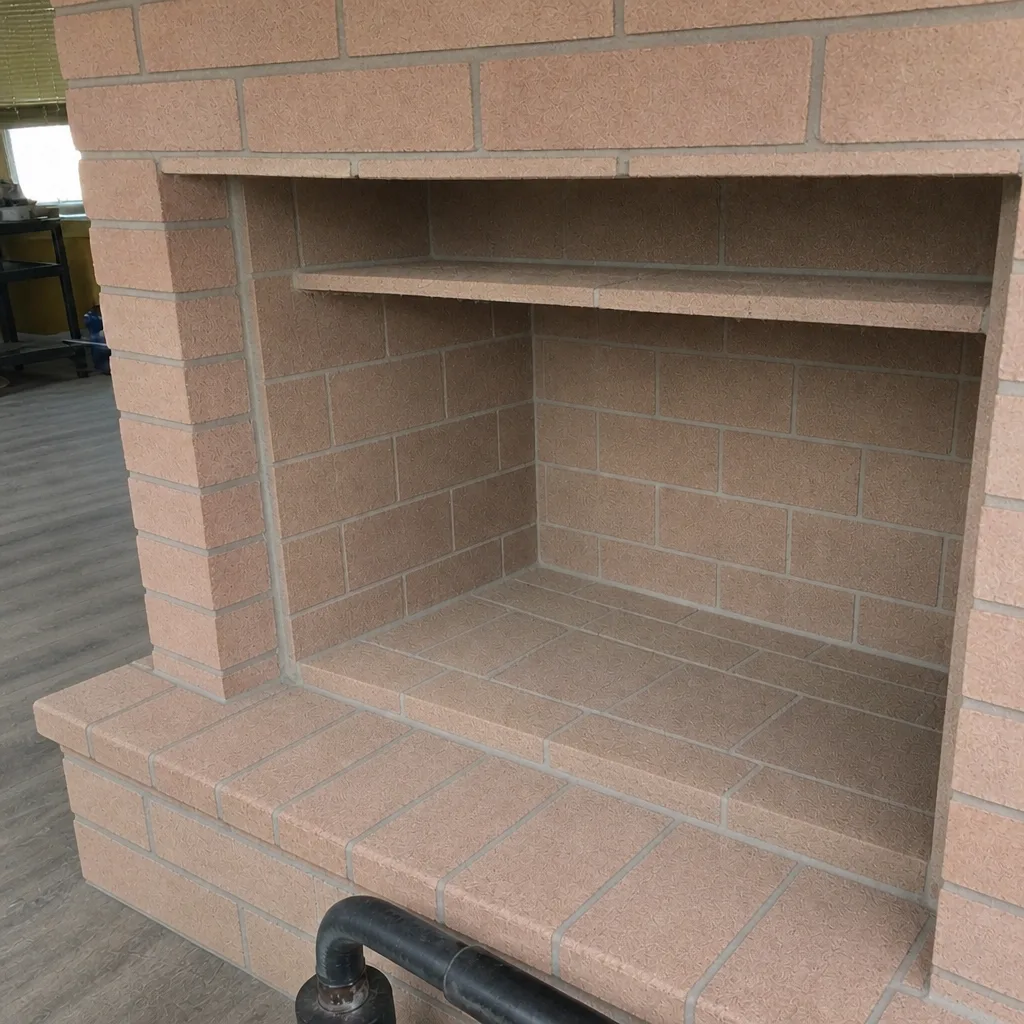
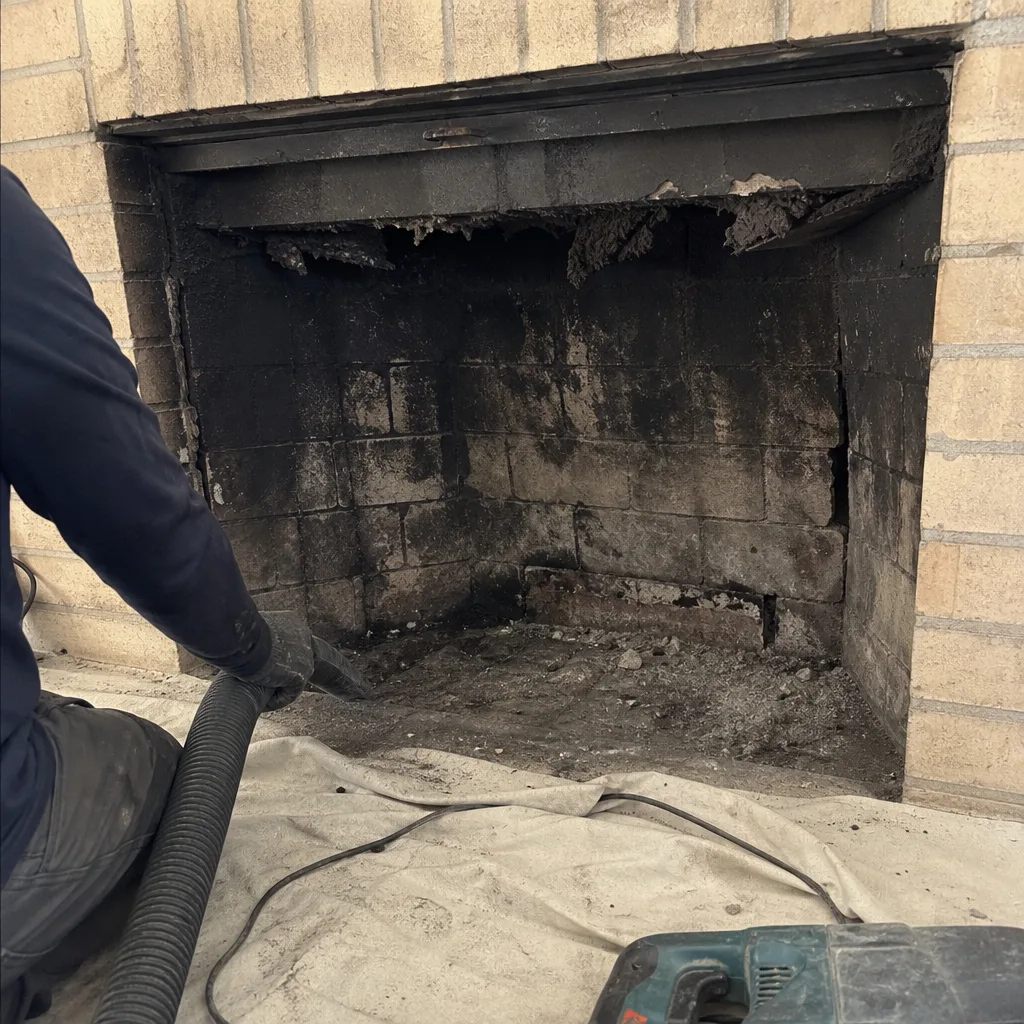
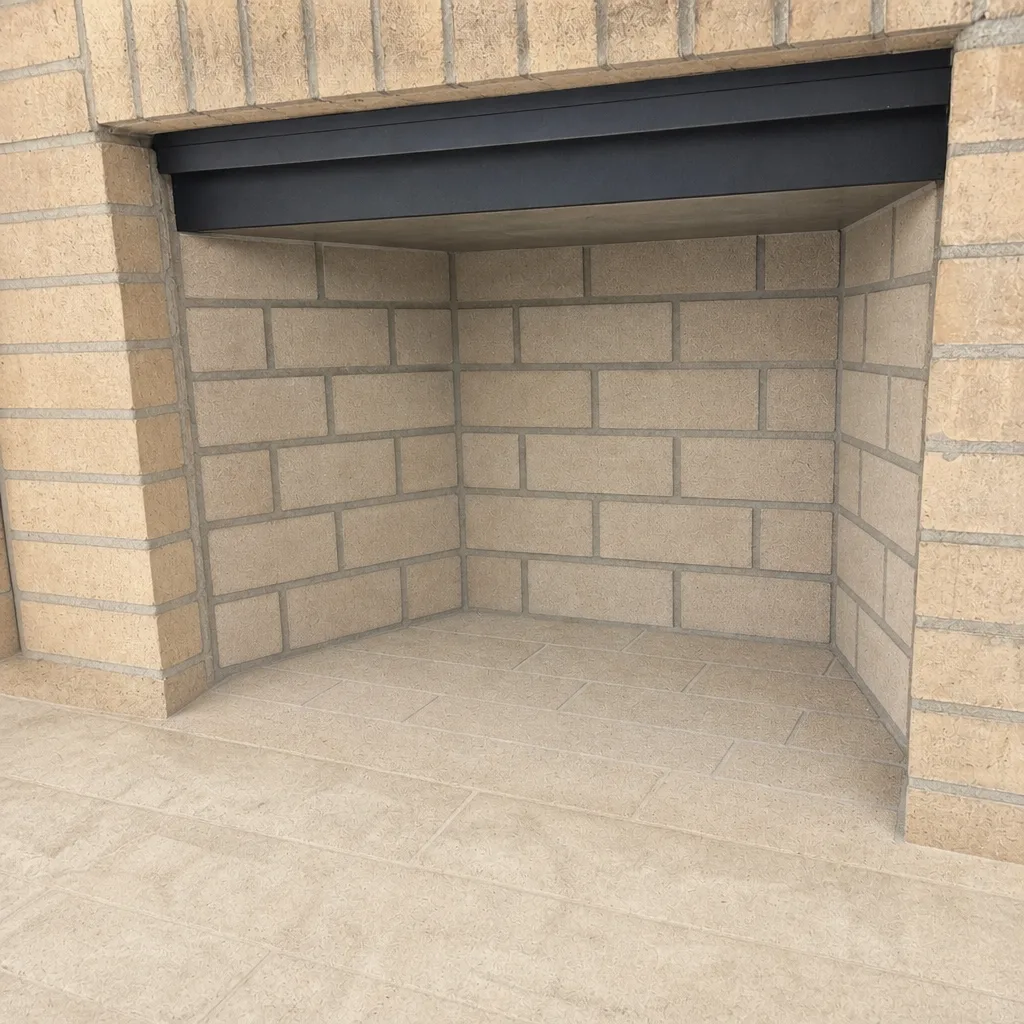
See the difference
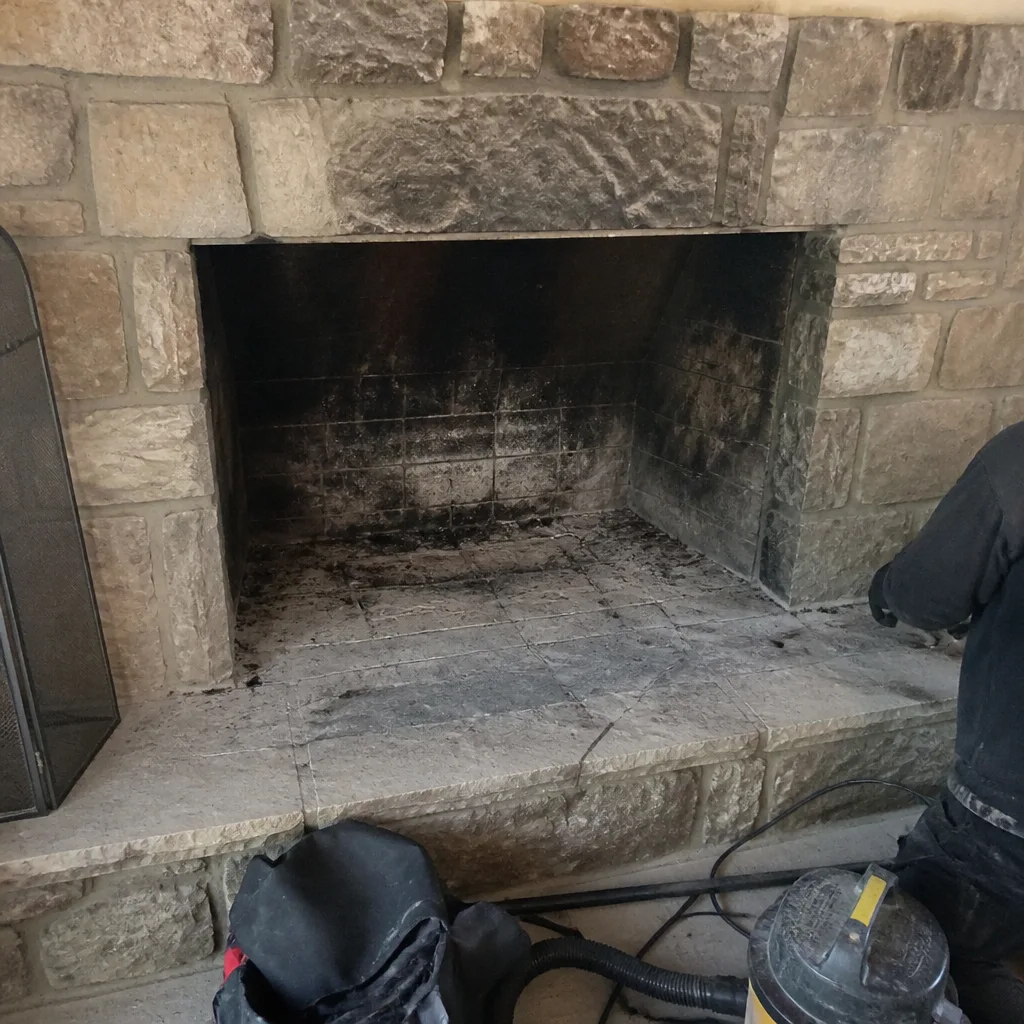 Before
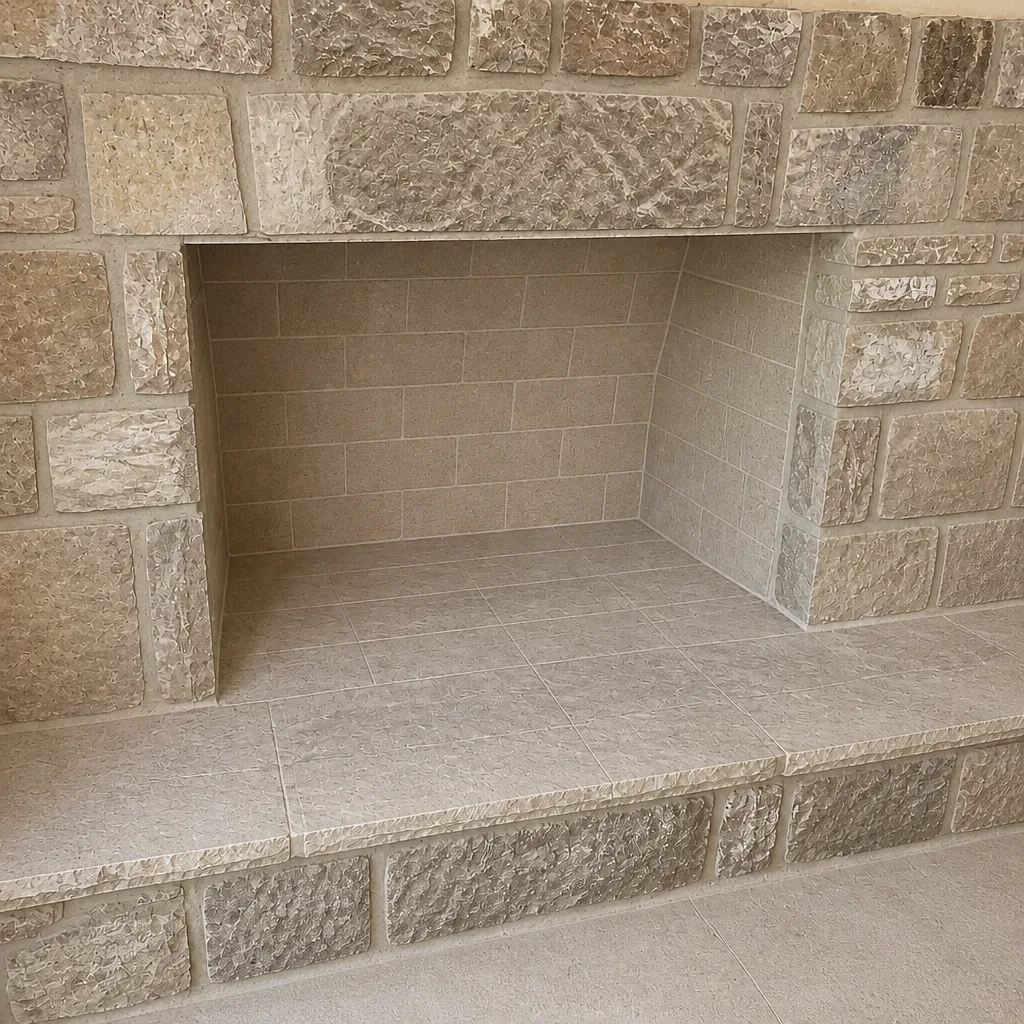 After
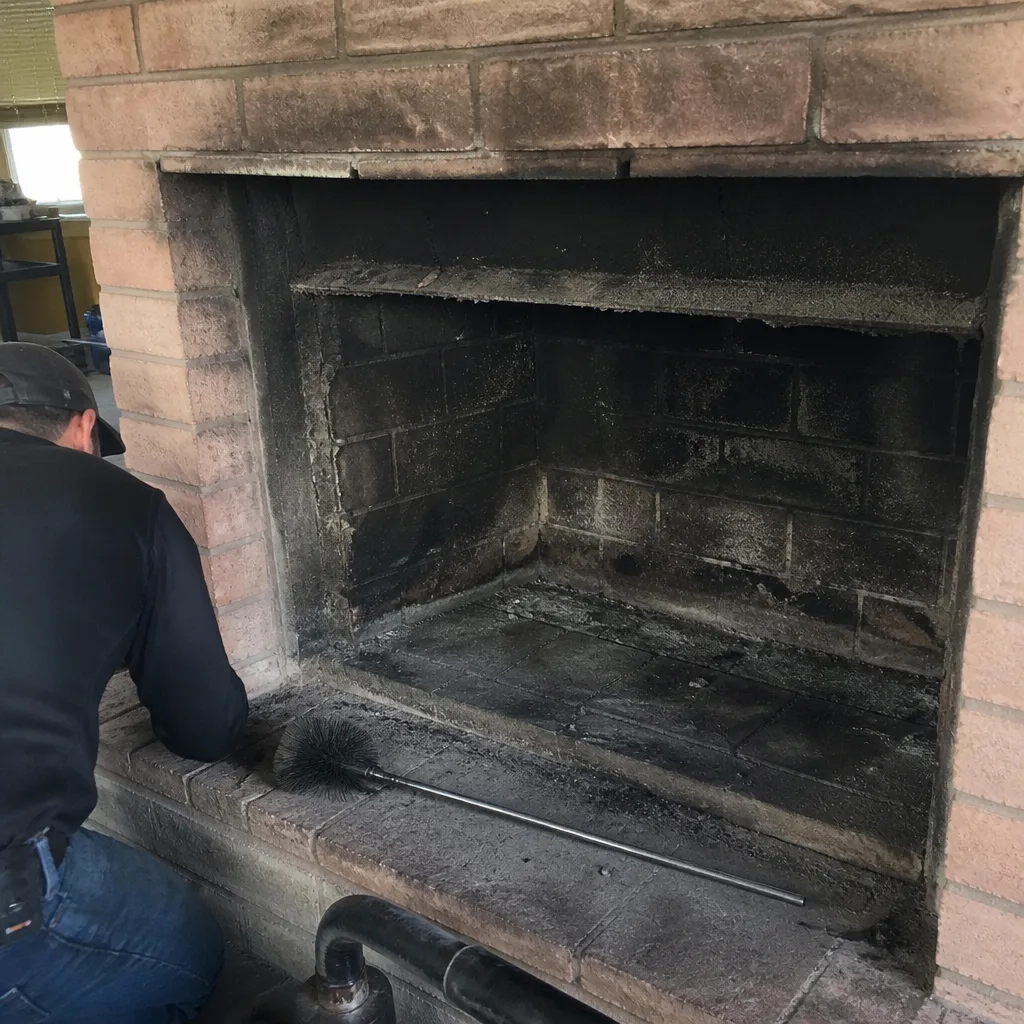 Before
 After
 Before
 After
When to Call a Professional
Some chimney problems are things you can safely note and watch. Others need a professional on the way, not a wait-and-see. Call us if you smell smoke indoors while the fireplace is running, if you see soot falling into the firebox, if you hear birds or scratching inside the flue, if your CO alarm has gone off, if you’ve had any chimney fire (even a quiet one), or if it’s been more than a year since the last inspection. Don’t try to diagnose a cracked flue or reline a chimney yourself. Our technicians have up to 13 years of experience, and every job comes with a camera inspection and photo report, so you see what we see. Chimney Sweep Yuma offers free estimates in Yuma – call (866) 389-5011.
Frequently Asked Questions
Get everyone out of the house and call 911, then tell the dispatcher “chimney fire” specifically if you see flames, black smoke, or hear roaring in the flue. If you smell carbon monoxide or feel dizzy, treat it as a CO event and tell dispatch that instead. Don’t try to fight a chimney fire yourself. Call (866) 389-5011 after the emergency to book the follow-up inspection – estimates are free.
The most reliable signals are a CO alarm going off, symptoms like headache, dizziness, or nausea that improve when you leave the house, and smoke backing into the room when the fireplace is lit. Because CO is invisible, install alarms on every floor and outside sleeping areas, and have the chimney inspected before the first fire of the season. If you suspect a blockage, stop using the fireplace and call for inspection. Call (866) 389-5011 for an exact quote – estimates are free.
No, and we’d advise against trying. Without fireplace gloves, a chimney brush, and a proper cap ready to install, a DIY removal often ends with a bird loose in the house or a partial nest left in the flue that becomes a fire hazard the next time you burn. A sweep and inspection after removal is the safer route, and it lets us check for cracked tiles and damaged caps at the same time. Call (866) 389-5011 to book – estimates are free.
A chimney should be inspected once a year and swept when there’s about a quarter inch of creosote buildup in the flue. In Yuma, where many homes burn only a cord or two per season, the annual inspection still matters because the risks here are often birds, debris, and aging materials rather than heavy creosote. Book before the first fire of the season. Call (866) 389-5011 for an exact quote – estimates are free.
Most standard homeowners policies cover damage from a chimney fire, but the claim depends on documentation. Get the fire department’s incident report number, photograph everything before it’s cleaned, and have a professional inspection in writing. We provide a photo report with every inspection so you have evidence for the adjuster. Call (866) 389-5011 to schedule – estimates are free.
Call 911 first for any active fire or suspected carbon monoxide event. For scheduling a sweep, repair, or inspection, call us anytime. We answer 24/7. A call outside dispatch hours is booked into the next opening, Sunday through Friday, 7am to 7pm. Estimates are free.
The Bottom Line
Chimney emergencies in Yuma are mostly preventable, and the ones that aren’t are survivable if you know the sequence. Get everyone out and call 911 for any active fire or CO symptom. Keep the damper closed when wildlife turns up. Give dispatchers the word “chimney fire” and the details they need. Document everything before cleanup so your insurance claim goes smoothly. And put the annual sweep and inspection on the calendar before the first cool evening, because in this climate the biggest risks are blocked flues, aging materials, and wildlife, not creosote alone. If it’s been more than a year, book it now.
Contact
Chimney Sweep Yuma provides chimney sweeping, repair, and inspection for Yuma homes. If anything in this guide matches what you’re seeing, call (866) 389-5011 for a free estimate. We answer 24/7. Fast dispatch from 7am to 7pm, Sunday through Friday. Every job includes a camera inspection and photo report, so you can see exactly what’s happening inside your flue before you decide on any repair.
Written by the team at Chimney Sweep Yuma.