
Last updated November 16, 2026
 Sweep & inspection
 Caps & crowns
 Flue relining
 Masonry repair
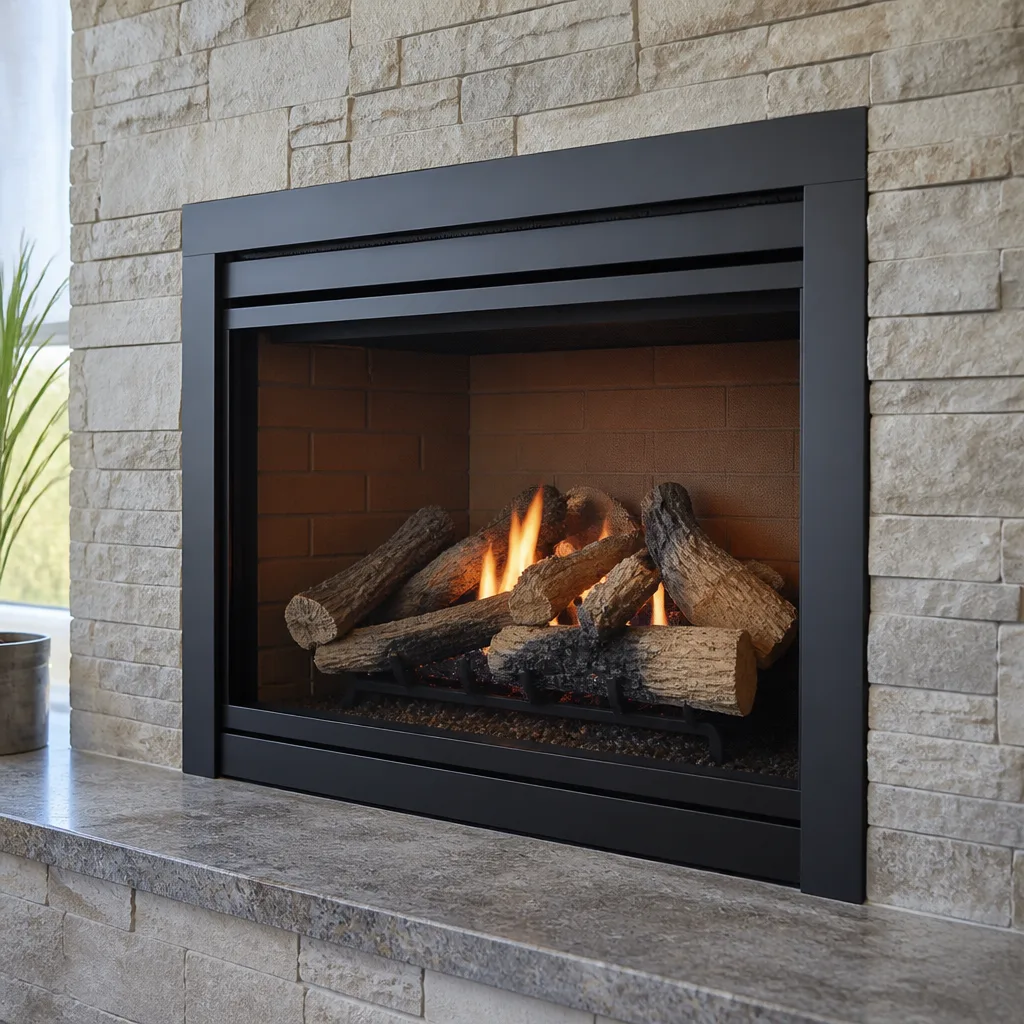 Gas fireplace service
Level 1 sweep and inspection to the NFPA 211 annual standard - flue, crown, cap, and flashing checked and photographed
Chimney sweep logs do not sweep chimneys. They loosen some creosote - which then falls where a brush and vacuum still have to collect it.
Chimney Cleaning Warning Signs: A Yuma Homeowner’s Reference Guide
Most chimney safety advice was written for cold climates with long heating seasons. Yuma doesn’t have those. Our fireplaces sit idle through months of triple-digit heat, then get put to work when the first cool evenings arrive. That pattern creates warning signs you won’t find in a generic online checklist: a smoky smell in July, a drift of sand in the firebox after a monsoon, white staining on exterior masonry that looks cosmetic but usually isn’t. This guide walks through the signals that matter here, how to tell urgent from routine, and which ones are simply part of living with a desert chimney.
Quick Answer
The most reliable chimney cleaning warning signs are a strong creosote or campfire smell inside the house, visible soot or glaze on the flue, smoke rolling back into the room during a test fire, sand or debris in the firebox after a dust storm, and white mineral staining on exterior masonry. In Yuma, unusual summer odors and post-monsoon debris are the two signs homeowners overlook most often. Any sign involving smoke behavior, structural movement or heavy creosote buildup should be checked by a specialist before the next burn.
Styles & brands we work with
- Sweep & inspection
- Caps & crowns
- Flue relining
- Masonry repair
- Gas fireplace service
Table of Contents
- Why Yuma’s Climate Creates Warning Signs You Won’t Read About Elsewhere
- The Summer Smoke Smell: What It Actually Means
- Sand, Debris and Monsoon Deposits in the Firebox
- White Staining on Exterior Masonry: The Sign Most Homeowners Dismiss
- Reading Smoke Behavior During a Test Fire
- Normal Settling Sounds vs. Active Structural Warning Signs
- Which Signs Need an Immediate Call and Which Can Wait
- Creosote: The Warning Sign You Can’t See From the Living Room
Why Yuma’s Climate Creates Warning Signs You Won’t Read About Elsewhere
Chimney problems in Yuma develop differently than they do in places with hard winters. The heating season here is short and mild, which means chimneys accumulate creosote more slowly than in cold-country homes. That’s the good news. The complication is that long idle periods in extreme heat and dry air stress a chimney in ways most general guides never mention.
Three local conditions drive most of the unusual symptoms we run into:
- Heat and idle months. A flue that sits unused through a Yuma summer bakes in high temperatures. Brick and mortar expand and contract across large day-to-night swings. Small cracks that would stay sealed in a temperate climate can open up.
- Dust and blowing sand. Wind-driven sand finds its way into caps, screens and flue openings. It settles in the firebox and on the smoke shelf, and it can restrict draft over time.
- Monsoon moisture. When summer storms arrive, they deliver intense rain in short windows. A chimney with a failing cap, a cracked crown or missing mortar joints takes on water fast, and that moisture interacts with the acidic residue already inside the flue.
The result is a set of warning signs that look nothing like the textbook list. A homeowner in the Foothills who notices a faint smoke smell in August isn’t imagining it, and someone near the river bottom who finds a handful of sand in the firebox after a storm isn’t looking at a mystery. Those are real, explainable signals. The rest of this guide goes through each one.
The Summer Smoke Smell: What It Actually Means
If you smell smoke inside your home during a Yuma summer and the fireplace hasn’t been lit in months, the cause is usually a draft reversal. Hot outside air meets a cooler, denser column of air inside the flue, and the pressure balance flips. Instead of the chimney pulling air up and out, it pushes the older, smoke-scented air back down into the room.
On its own, a mild reversal is a nuisance. When it repeats and the smell is strong, it points to something worth checking:
- Partial blockage. A bird nest, a collapsed mortar joint fragment, or an accumulation of sand and debris narrows the flue and makes reversals easier.
- A damaged or missing cap. Without a proper cap, the flue opening is exposed to sun, wind and wildlife. A poorly fitted cap can also interrupt airflow enough to trigger backdrafts.
- Deteriorated flue lining. Rough or cracked tile surfaces hold onto soot and odor, and they release that smell more readily as the flue heats up.
- Pressure imbalances in tight homes. Modern sealed construction and strong kitchen or bathroom exhausts can pull air down a flue that has nowhere else to draw from.
The smell itself tells you something about the source. A sharp, acrid odor usually points to creosote. A damp, earthy smell often signals moisture in the chimney from a failing crown or cap. A dead-animal smell is exactly what it sounds like, and it’s a sign that a cap or screen has failed.
None of these resolve on their own. If the odor returns across multiple summers or gets stronger, it’s time to schedule a look. Our technicians have up to 13 years of experience reading exactly these patterns, and a chimney sweep with a camera inspection settles the question quickly.
Sand, Debris and Monsoon Deposits in the Firebox
Finding sand, grit or small pieces of masonry in the firebox after a dust storm or a monsoon is one of the most common desert-specific warning signs. Some of it is normal. Blowing sand gets past loose screens and settles on the smoke shelf over time. The question is how much and how often.
Here’s how to sort the routine from the concerning:
- A light dusting after a strong wind event. This is typical. Clean it out, check that your cap and spark screen are seated properly, and move on.
- Sand accumulating repeatedly between storms. This usually means the cap is loose, cracked or missing its screen. A cap is a small fix, and it’s one of the components we handle with Gelco and Famco products.
- Chunks of mortar or tile. This is not sand. Small pieces of masonry in the firebox point to a deteriorating flue lining or a failing crown joint, and they should be checked before the next fire.
- Water stains or damp ash. Moisture getting past a failing crown or cap during monsoon rains leaves clear evidence in the firebox. It’s also the beginning of bigger problems inside the flue.
Debris matters because it reduces the open area of the flue. A restricted flue drafts poorly, and poor draft lets smoke and carbon monoxide back into the room. It also gives creosote more surface to cling to. If you’re finding material in the firebox more than once a season, have the chimney inspected and the cap checked rather than simply sweeping up and forgetting it.
White Staining on Exterior Masonry: The Sign Most Homeowners Dismiss
That chalky white residue on the outside of a chimney is called efflorescence, and in Yuma it’s frequently treated as cosmetic. It isn’t. Efflorescence is the visible end of a moisture problem. Water has gotten into the masonry, dissolved salts from the brick or mortar, and carried them to the surface as it evaporated.
The word that should get your attention isn’t the stain. It’s the water. Moisture inside a chimney:
- Weakens mortar joints, which is how larger cracks start.
- Combines with creosote residue to form acidic compounds that eat into flue tile and mortar.
- Freezes nowhere in Yuma, so it doesn’t cause frost damage, but it does accelerate spalling where the masonry repeatedly gets wet and dries out under intense sun.
Efflorescence also has to be distinguished from a few look-alikes. White staining low on a chimney breast that never dries can indicate a roof or flashing leak feeding the masonry from above. A cloudy white bloom that appears after heavy monsoon rain, then fades, is the more common pattern here.
What makes this one urgent is the timing. Catching a moisture problem while it’s still efflorescence means sealing a crown, repointing a few joints, or fitting a proper cap. Catching it after the mortar has eroded into the flue means a repair. That’s where ceramic resurfacing products like HeatShield earn their place. Spalled mortar joints and cracked flue tiles can often be resurfaced rather than replaced, which keeps the job smaller. Restoring a liner is almost always a better outcome than replacing one, and spotting the staining early is what keeps it in that category.
Reading Smoke Behavior During a Test Fire
A test fire is one of the most useful diagnostic tools a homeowner has. You don’t need to disassemble anything. You just build a small fire and watch what the smoke does. The pattern tells you a lot.
How to run one:
- Make sure the firebox is clean and the damper opens fully.
- Crack a window nearby to give the room a source of replacement air.
- Start a small fire with dry kindling and paper. Don’t overload it.
- Watch the smoke at the firebox opening and at the top of the chimney.
- Note whether the fire draws steadily, sputters, or pushes smoke back into the room.
What the smoke is telling you:
- Smoke rolling back into the room as the fire starts, then clearing. A mild cold-flue reversal. Common in Yuma when there’s a large temperature difference between the day and the flue. If it clears consistently, it’s usually manageable.
- Smoke that won’t clear. This points to a real draft problem. Possible causes include a partial obstruction, an undersized flue for the appliance, or a pressure issue in the home.
- Smoke that pulses or puffs out in rhythm. Often a sign of a partially blocked flue. Pressure builds until it pushes back out, then draws again.
- Smoke drifting from the wrong place (cracks, seams). This is a serious warning. Any smoke escaping through the masonry or a joint, rather than up the flue, means the flue lining has failed and combustion gases are entering the structure. Call a specialist before your next fire.
- A thin, wavering flame with heavy smoke. Poor draft or wet fuel. If the wood is dry and the problem persists, the chimney needs a look.
Test fires are diagnostic, not a fix. If the smoke behaves badly, the next step is an inspection, not a bigger fire.
Normal Settling Sounds vs. Active Structural Warning Signs
A chimney can be noisy without being in trouble. Brick and mortar creak and tick as they warm up and cool down, especially on Yuma days when the temperature swings hard between afternoon and night. Wood framing near the chimney also moves, and the metal components of a fireplace or insert expand with heat. Those soft creaks and pops during warm-up aren’t usually a problem.
The sounds that deserve attention are different in character:
- Sharp cracking during a fire. Sudden loud cracks from inside the chimney can indicate a flue tile fracturing.
- Grit falling down the flue. This is often a drying and crumbling mortar joint, and it’s a warning sign of an interior flue that’s failing even if the outside looks fine.
- Settling, tapping or rumbling at the wall. Movement in the structure around the chimney, especially if you also see cracks in the interior masonry, is worth a professional look.
- A chimney that visibly leans or pulls away from the house. This is unusual and warrants immediate inspection. Structural separation is not something to watch over a season.
Visual clues matter as much as sound. Cracks in the firebox masonry that are wider than a hairline, gaps in the brick where the chimney meets the roofline, and a crown that’s pulling away from the flue all point to active deterioration. Something that has always ticked softly during warm-up is one thing. Something that has started cracking or dropping grit this season is a change, and changes are what we look for.
Creosote: The Warning Sign You Can’t See From the Living Room
There’s one warning sign that matters most and that no amount of living room observation will reveal. Creosote builds up inside the flue in layers, and its form determines how dangerous it is. It starts as a light, flaky dust, then moves to a glossy, hardened crust, then to a tar-like glaze that’s stubborn and highly flammable. You can’t judge which form you have by burning frequency alone. Some of the riskiest chimneys we inspect are in homes that only burn a few times a year but burn too coolly, with green wood or a smoldering, low fire.
Here’s what raises creosote risk in a Yuma chimney:
- Burning wood that isn’t fully seasoned. Our dry climate helps, but wood still takes time. Damp wood smolders and deposits more creosote.
- Damping fires down to burn longer. Slow, smoky fires are the classic creosote recipe.
- Airflow restrictions. A partially blocked or undersized flue keeps combustion gases hanging inside long enough to cool and deposit on the walls.
- Long gaps between cleanings. A light seasonal fire schedule still deposits material over time. It just accumulates more slowly.
The only reliable way to identify creosote buildup is to look at the flue with a camera and a trained eye. That’s what a professional inspection does, and it’s the reason we build a photo report into every chimney repair evaluation. You see what we see, and you can judge for yourself. If the flue needs resurfacing, HeatShield ceramic products are one of the tools we use to restore it without automatically moving to a full liner replacement.
Which Signs Need an Immediate Call and Which Can Wait
Not every warning sign is an emergency. One of our jobs is telling a homeowner whose chimney is fine when it’s fine. That saves everyone money and keeps the focus on the problems that are actually urgent. Here’s the split.
Call now, before you use the fireplace again:
- Smoke escaping through masonry, joints or cracks during a fire.
- A strong, persistent smoke smell in the house when the chimney hasn’t been used.
- Chunks of mortar or tile in the firebox after a normal fire.
- Visible structural movement, leaning or separation from the house.
- A carbon monoxide alarm that has sounded, or any headache, nausea or dizziness that appears in the home while a fire is burning.
Worth a scheduled appointment, not an emergency:
- Light efflorescence that appears and fades after monsoon rain.
- A faint smoke smell only during hot weather and only intermittently.
- Sand or grit in the firebox after a dust storm, where a cap and screen are present and intact.
- Minor creaking during warm-up.
- Reduced draft that shows up only on the first fire of the season and clears in a few minutes.
In every case, the recommendation we make comes from what the camera sees. If a needed repair can safely wait until next season, we’ll tell you that. You won’t be told you need thousands of dollars of work you have no way to check, because the evidence is yours to look at, and the written estimate sets the final price.
Understanding Yuma Chimney Codes and Inspections
Yuma follows standard national chimney and venting codes through the locally adopted building code. For any work that involves the flue lining, you should expect a permit and a final inspection. If you’re planning a repair to a chimney in Yuma, ask about the permit before the work begins. Any reputable specialist will help you sort out what the permit requires, and it’s always a fair question.
Inspection, not just cleaning, is the part most homeowners skip. A sweep cleans a chimney that already functions. An inspection finds why it’s not. Our team works from three distinct disciplines: sweeping, repair and inspection. That matters because the person who found a problem in the inspection can solve it without you making a second call. When we identify a spalled flue tile, we’re set up to resurface it. When a damaged cap or venting component is the issue, we work with Gelco, Famco and Olympia Chimney products to address it. When a flexible liner is needed for an older, offset or non-standard flue, we run DuraFlex. In our experience, keeping the diagnose-and-fix work inside one chimney-focused team saves homeowners real time and trouble.
The other thing to know about inspections is what they produce. You should walk away with a report, not just a confident verbal verdict. Ours includes photos and a clear summary of what’s fine, what’s a concern, and what’s an urgent need. That gives you a record to compare against next season, and it gives you a way to verify a second opinion if you want one.
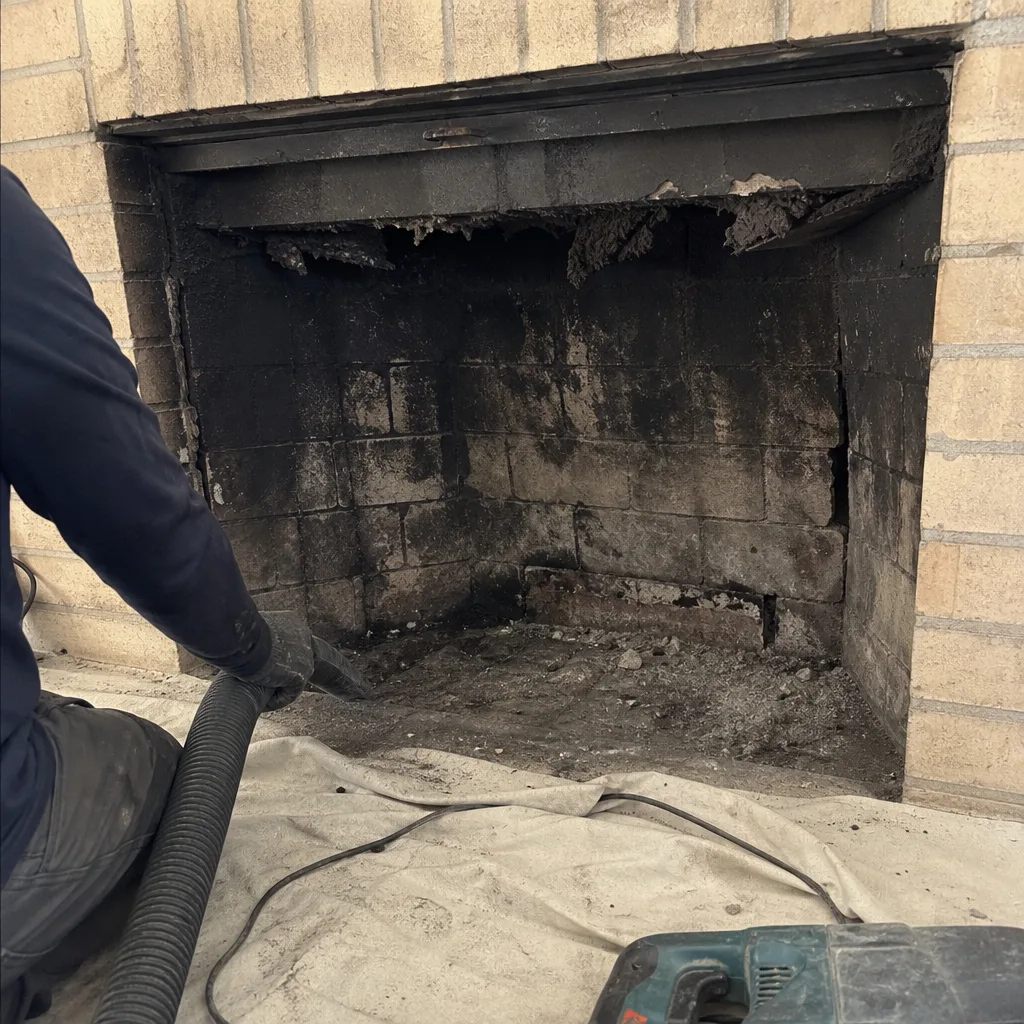
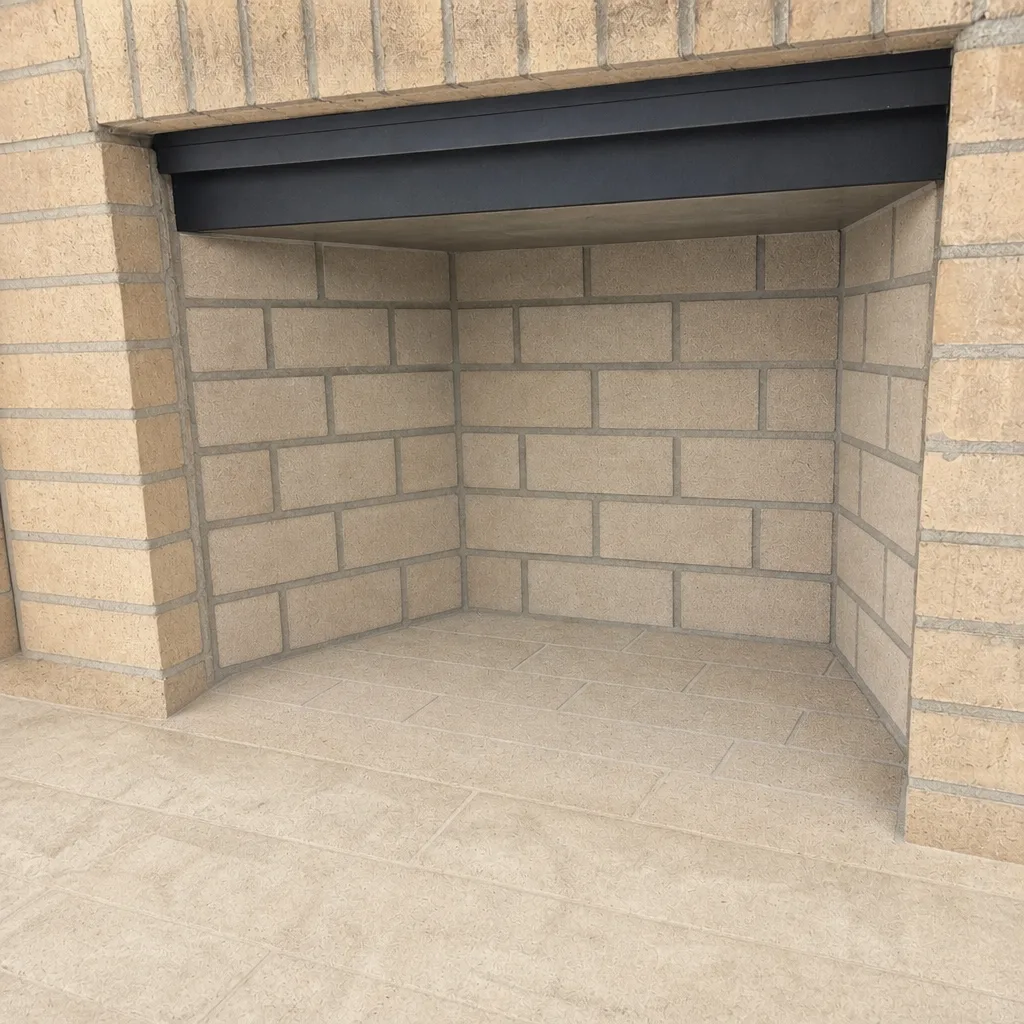
See the difference
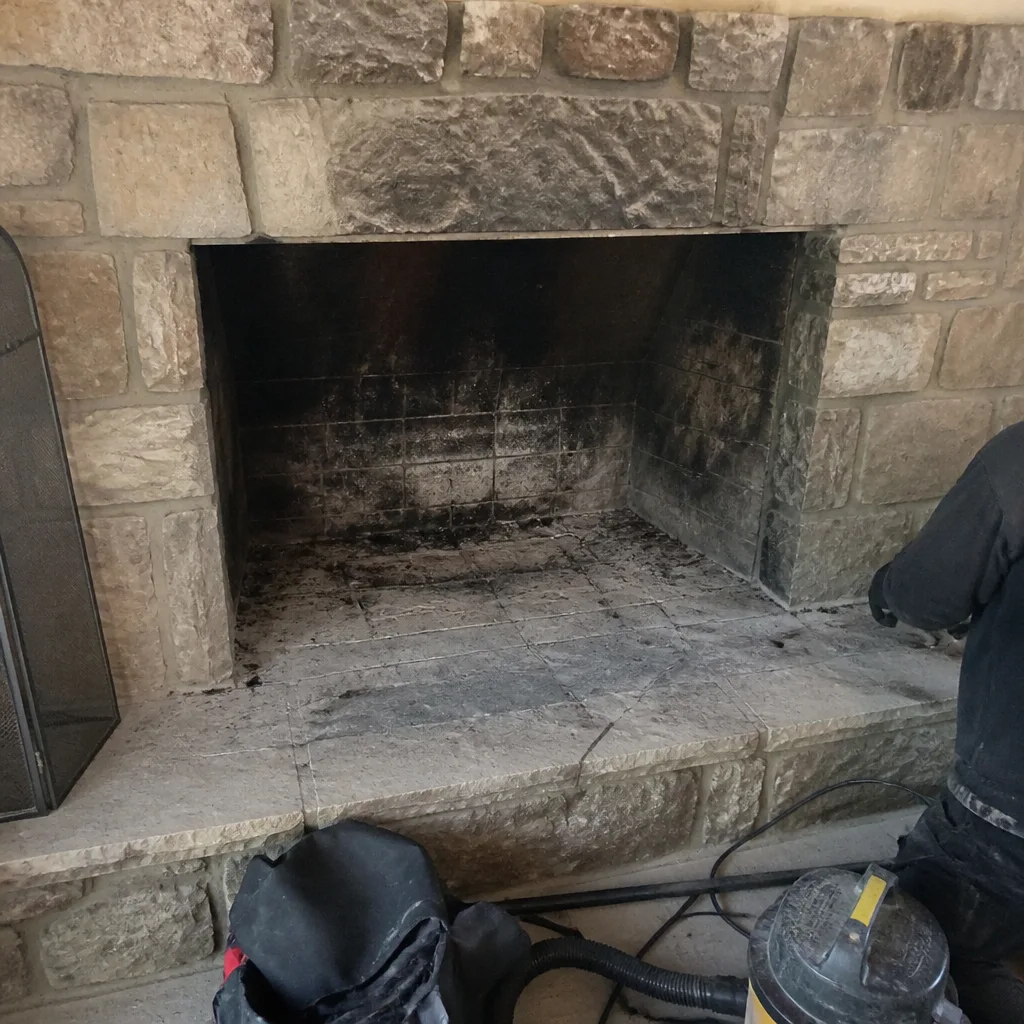 Before
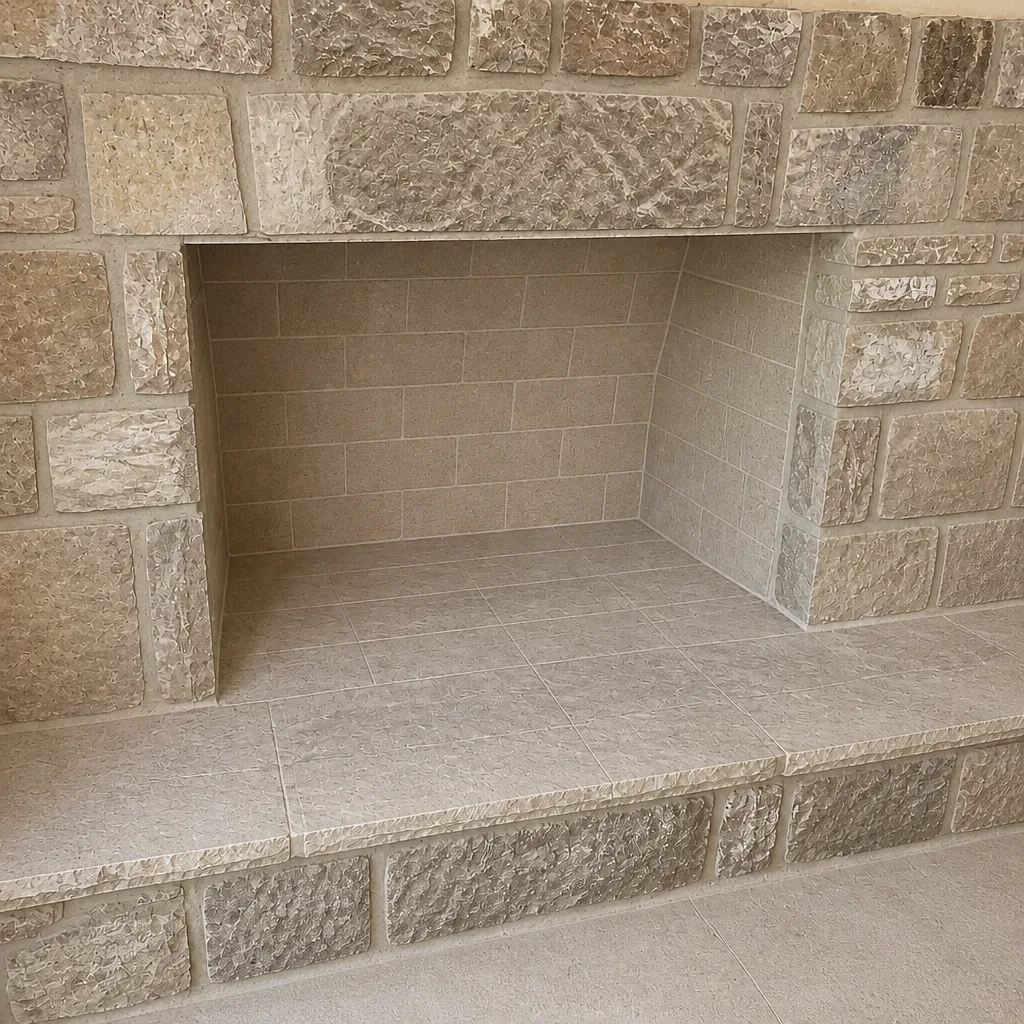 After
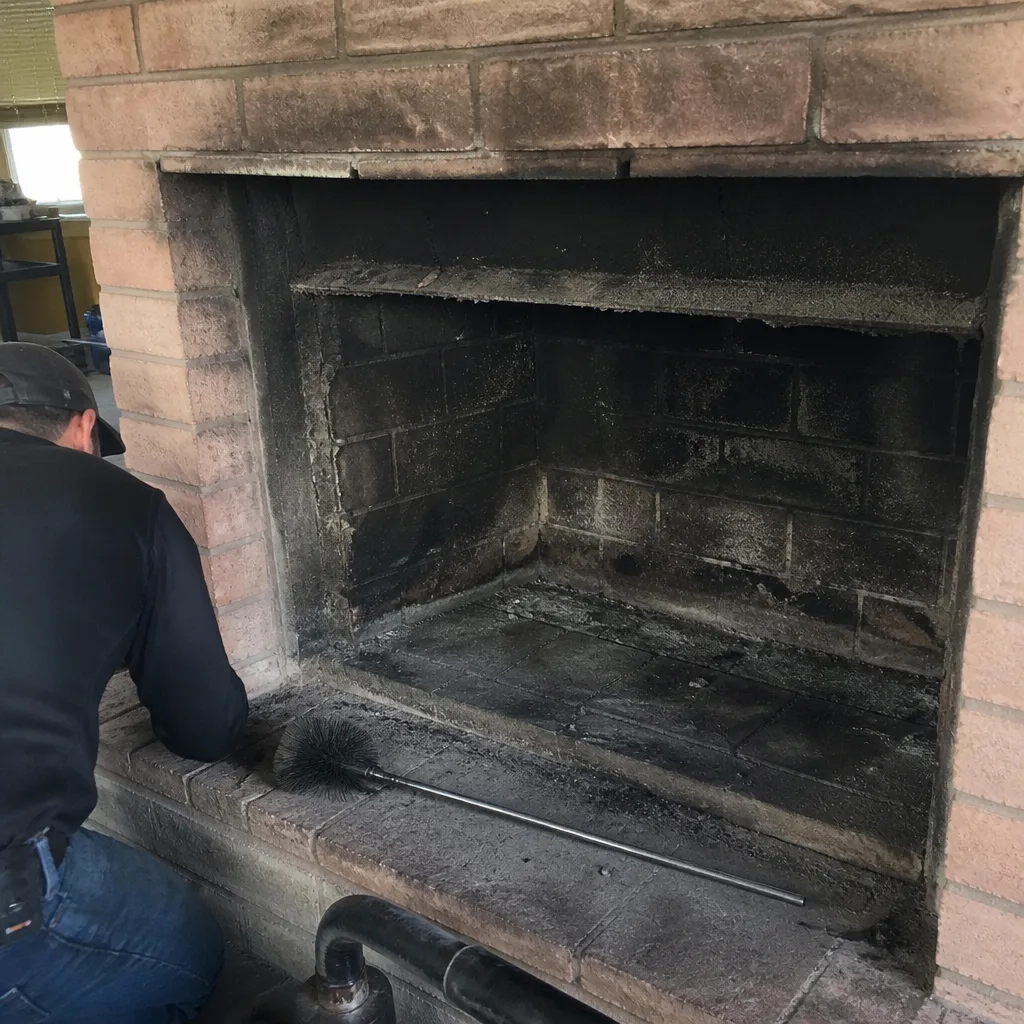 Before
 After
 Before
 After
Common Mistakes to Avoid
- Overloading a first test fire to “clear it out.” In Yuma’s heat, it’s tempting to think a big hot fire will burn off any smell or buildup. A big fire on top of an unknown creosote condition is the worst thing you can do.
- Treating efflorescence as a stain. Painting over chalky white residue hides evidence of a moisture leak without fixing it, and it delays the small repair that could prevent a bigger one.
- Burning unseasoned wood because it’s what’s on hand. In a desert climate a lot of firewood gets sold green and dried in the yard. It burns poorly and builds creosote faster than dry wood.
- Assuming a summer smoke smell is a plumbing vent or a plumbing problem. Homeowners often blame the plumbing first because it’s a familiar culprit. Test the smell source during a hot afternoon; if it’s coming from the fireplace, the chimney is the cause, not the pipes.
- Using generic caps and components that don’t fit. A cap that doesn’t seal properly can leak, fail to keep out animals, or interrupt draft. We fit chimney-grade components from dedicated makers rather than improvising.
- Skipping the inspection when the sweep comes anyway. A cleaning without a check leaves the cause of a warning sign hidden. The pair is what gives you a complete picture.
- Burning decorative or treated materials. Cardboard, treated construction scraps and debris all deposit material in ways that burn or contaminate the flue. Stick to dry, untreated wood.
When to Call a Professional
Some chimney jobs are worth a phone call and some are worth a DIY sweep with a brush. If you’ve never had the chimney inspected, a first inspection is worth it. If you’re seeing smoke coming back into the room, chunks of masonry in the firebox, water staining inside or out, or anything on the urgent list above, don’t schedule the fire first. If your last cleaning was two or more seasons ago and you burn regularly, schedule a sweep. Our technicians have up to 13 years of experience and can help you decide whether a symptom is routine or worth a look. Chimney Sweep Yuma offers free estimates in Yuma – call (866) 389-5011. We answer 24/7. Fast dispatch from 7am to 7pm, Sunday through Friday.
Frequently Asked Questions
The most common is a faint smoke or creosote smell inside the house during hot weather, often confused with a plumbing issue. It’s caused by a draft reversal in a flue that’s baking in the summer heat. Mild and intermittent reversal is not an emergency, but a strong smell that returns summer after summer means the flue should be inspected. Call (866) 389-5011 for an exact quote – estimates are free.
No. White staining, or efflorescence, means water is moving through the masonry, and the source needs to be found. In Yuma, a cracked crown, failed flashing or a missing cap are common causes. It’s usually a smaller repair early and a larger one late. Call (866) 389-5011 for an exact quote – estimates are free.
Cracks that are wider than a hairline, gaps where the chimney meets the roofline, visible leaning or separation, and cracks that appear to be growing are the ones that need immediate professional evaluation. Hairline surface cracks in mortar aren’t always a structural problem. A proper inspection with photos is how to tell the difference. Call (866) 389-5011 for an exact quote – estimates are free.
Yes. Burning infrequently but with damp wood or a damped-down fire deposits creosote just as readily as a heavy burn schedule, sometimes more so. The form of the buildup is what matters, and that has to be seen. Call (866) 389-5011 for an exact quote – estimates are free.
Stop using the fireplace and turn off any gas appliance vented through the same chimney. Smoke escaping through the structure means the flue lining has failed and combustion gases are moving into the house, which is a carbon monoxide risk. Get a certified inspection before you light another fire. Call (866) 389-5011 for an exact quote – estimates are free.
Sometimes, yes, and a good specialist will say so plainly. Minor draft issues and intact but stained exterior masonry can often be put on a schedule. The recommendation has to come from a camera inspection and a written report you can see, which is why we build the photo evidence into the visit. We’ll tell you when to act and when to plan. Call (866) 389-5011 for an exact quote – estimates are free.
The Bottom Line
Yuma’s climate makes chimney warning signs easy to miss. A summer smoke smell, sand in the firebox, and white staining on exterior masonry don’t look alarming on a desert afternoon, and they don’t get the attention they need. The rule that serves homeowners best is this: if a symptom involves smoke escaping the flue, chunks of masonry, visible structural movement or a carbon monoxide alarm, stop and call a specialist. If it concerns a faint odor, mild staining or a bit of grit after a dust storm, book an inspection and let the camera settle it. Restore before you replace where the flue allows it, and avoid guessing.
For a thorough inspection, a proper sweep and repairs done with recognized industry materials, we’re ready to help. Call (866) 389-5011 for a free estimate. We answer 24/7. Fast dispatch from 7am to 7pm, Sunday through Friday.
You can start on our Chimney Sweep Yuma home page to see how a visit is structured, and the team is glad to walk through your options over the phone.
Written by the team at Chimney Sweep Yuma.