
Last updated November 16, 2026
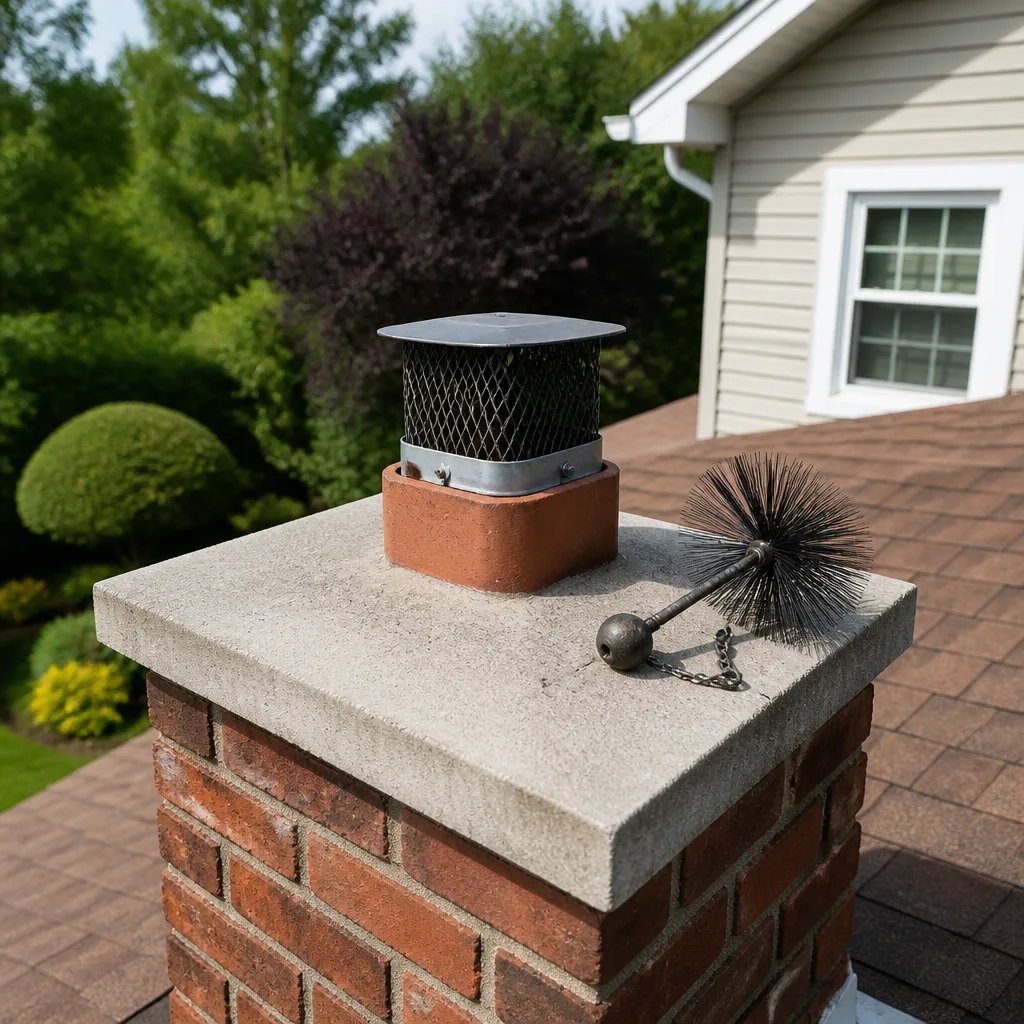 Sweep & inspection
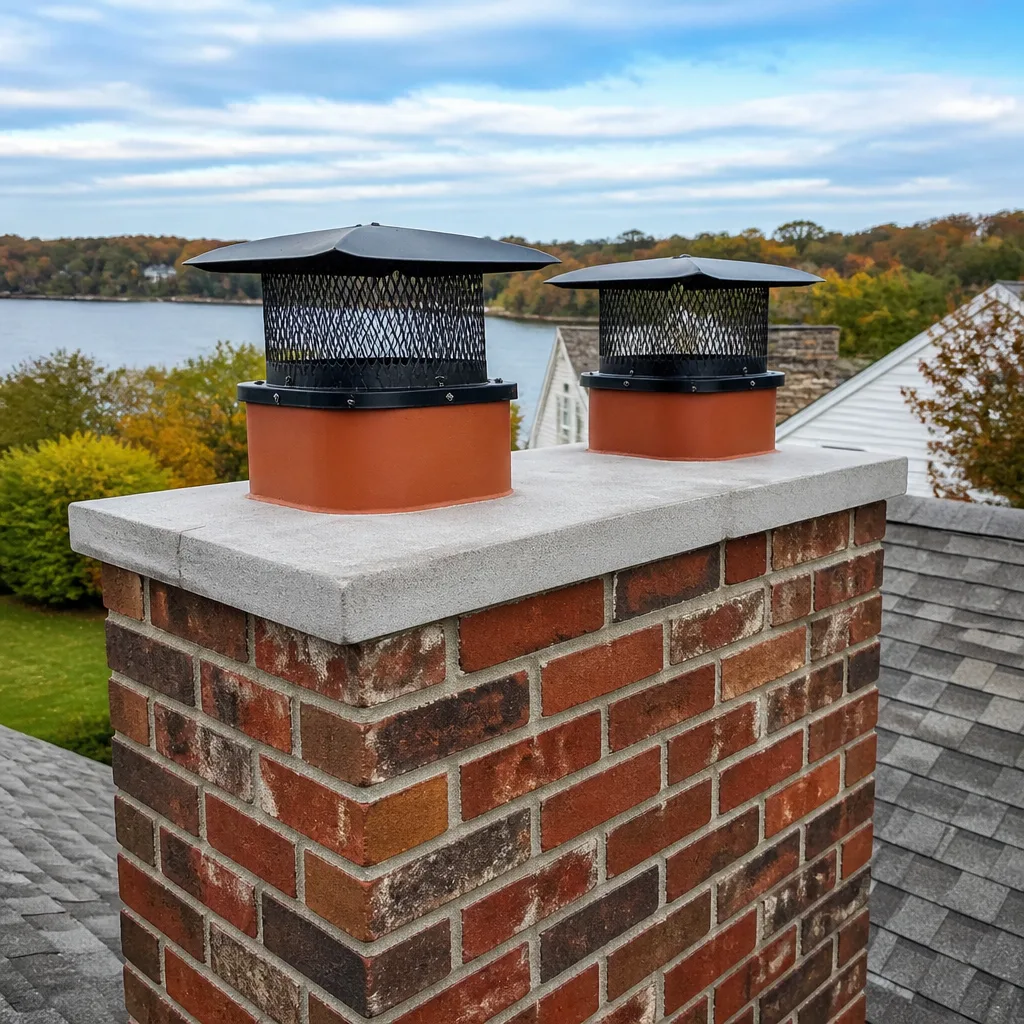 Caps & crowns
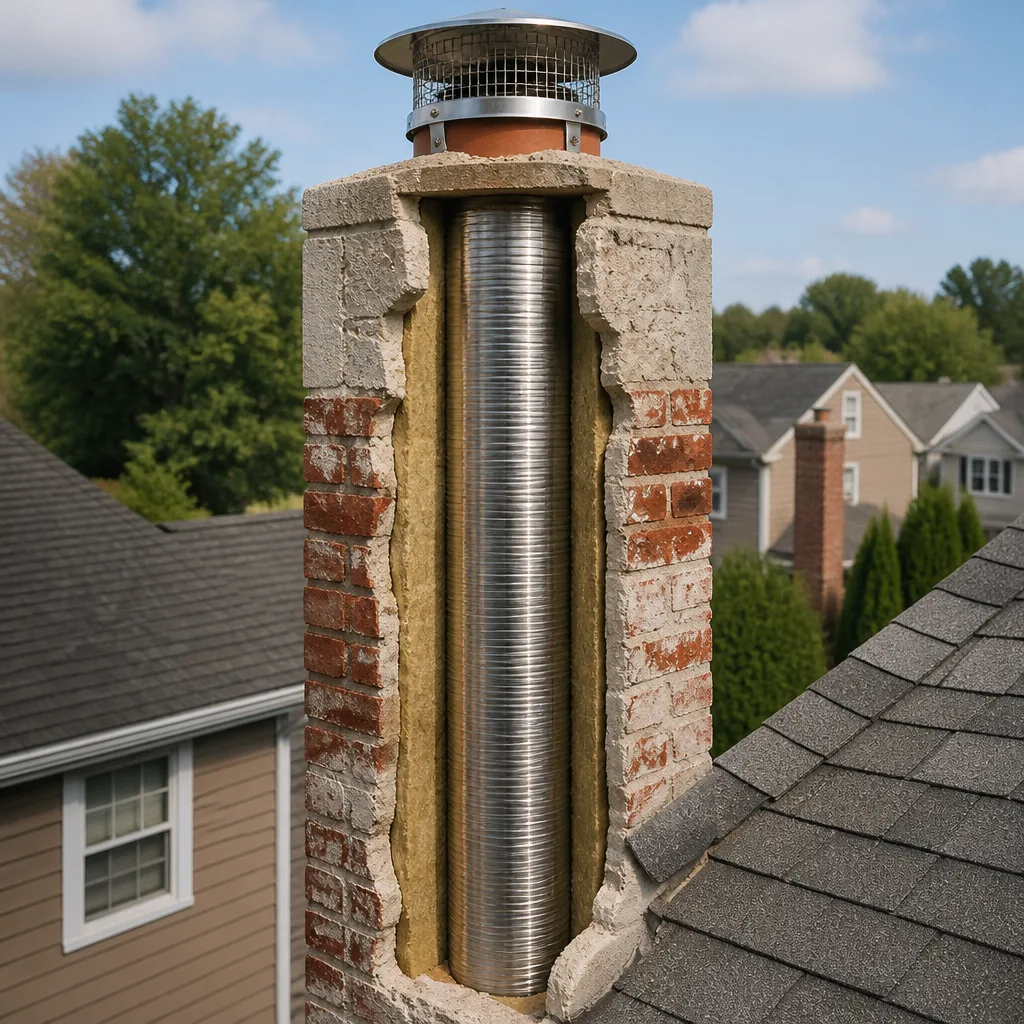 Flue relining
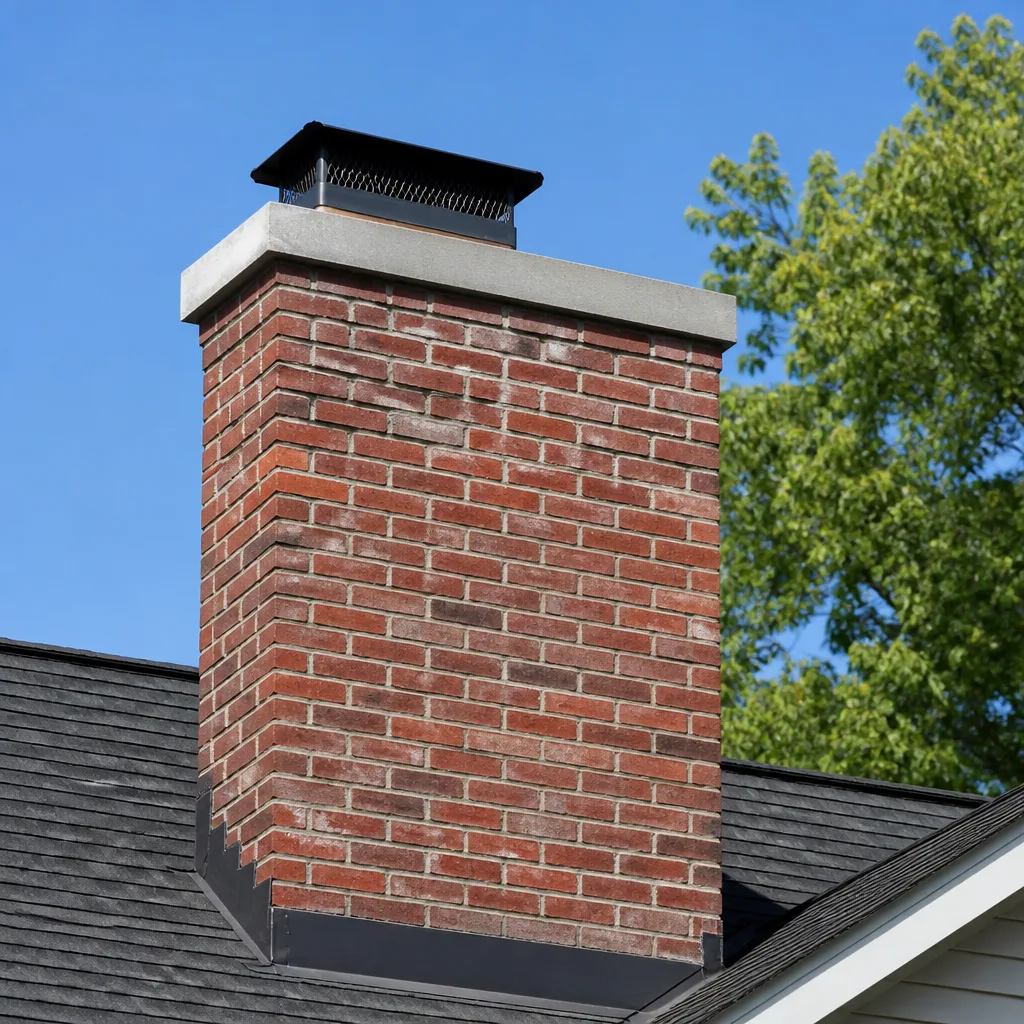 Masonry repair
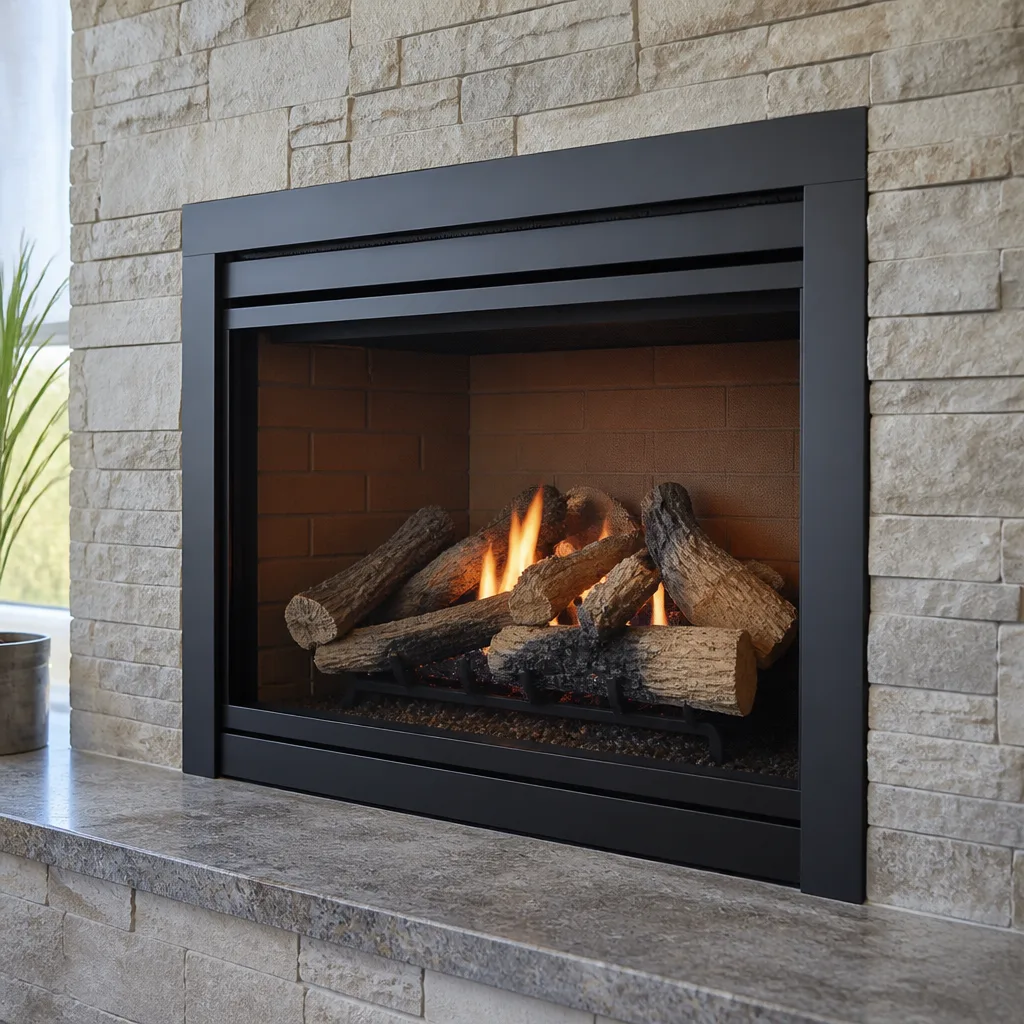 Gas fireplace service
Level 1 sweep and inspection to the NFPA 211 annual standard - flue, crown, cap, and flashing checked and photographed
Chimney sweep logs do not sweep chimneys. They loosen some creosote - which then falls where a brush and vacuum still have to collect it.
DIY vs Professional Chimney Cleaning: The Yuma Homeowner’s Decision Guide
Every fall, homeowners across Yuma walk into a hardware store and pick up a chimney brush kit. It’s a reasonable instinct. The tools exist, the task seems simple, and saving the cost of a professional sweep feels like a small win. But here’s the part that doesn’t make it onto the packaging: a brush removes what it can reach, and in Yuma’s climate, the deposits that matter most tend to settle above and around the brush’s path. This guide lays out exactly where DIY chimney maintenance ends and where professional equipment becomes necessary, what low-frequency burning in a desert environment actually leaves behind, and the insurance question most homeowners never think to ask until after a fire. What follows is aimed at Yuma homeowners who want to understand the real boundaries of DIY work, not just the price tag attached to it.
Quick Answer
DIY chimney cleaning can handle light, surface-level soot in the firebox and the lowest flue section, but it cannot identify or remove stage-two and stage-three creosote, inspect the smoke chamber, or verify flue tile integrity. Professional cleaning is necessary because the fire hazards in a Yuma chimney occur in the locations a brush cannot see or reach. The smartest approach is a hybrid: keep up with safe surface maintenance between visits, and have a professional sweep and inspection performed annually to catch what DIY work leaves behind.
Styles & brands we work with
- Sweep & inspection
- Caps & crowns
- Flue relining
- Masonry repair
- Gas fireplace service
Table of Contents
- Where DIY Cleaning Legitimately Ends
- Why Yuma’s Low-Frequency Burning Is the Problem
- What Professional Tools Actually Do
- What to Have a Professional Verify Annually
- Liability and Insurance: What DIY Maintenance Means After a Fire
- What Professional Cleaning Costs vs. DIY
- Common Mistakes to Avoid
- When to Call a Professional
Where DIY Cleaning Legitimately Ends
The line between safe DIY maintenance and professional work isn’t about whether you’re physically capable of pushing a brush. It’s about what the brush can access and what you can see while doing it. Here’s an honest breakdown.
What a homeowner can reasonably do:
- Remove soot and ash buildup from the firebox floor and walls between burns.
- Clear ash from the firebox after the chimney has fully cooled, using a metal container.
- Keep the firebox grate and damper operating smoothly and free of debris.
- Check that the damper opens and closes fully.
- Keep a fire extinguisher nearby and confirm that the cap or screen on the chimney top hasn’t come loose.
- Notice and photograph visible cracking, rust, or crumbling mortar so a sweep can review it.
What DIY cleaning cannot do:
- Reach the smoke chamber above the damper, where creosote collects and where brushes are typically not designed to reach.
- Identify glazed stage-three creosote, which looks like tar or black glass and cannot be brushed free.
- Verify the condition of clay flue tiles, mortar joints, and the crown.
- Detect cracks in the flue that a video camera would reveal but the naked eye cannot see from either end.
- Confirm that the flue is clear at its full height, particularly where offset flues or non-standard flue configurations involve a bend that no brush passes cleanly.
This isn’t a case against DIY. It’s a case against assuming that “clean enough to brush” and “safe to burn” are the same thing. They aren’t. In Yuma, the difference shows up in the places most homeowners can’t see.
Why Yuma’s Low-Frequency Burning Is the Problem
The standard chimney-cleaning advice – sweep once per cord of wood burned – assumes a homeowner burning through winter. Yuma doesn’t work that way. Our winters are mild. Most homeowners burn a few evenings during cold snaps, mix wood with their regular heating, and don’t think much about the chimney until the following season. That pattern does not make creosote less likely. It often makes it worse – and harder to notice.
Here’s why. Creosote is a product of incomplete combustion. When wood burns hot and efficient, most of what goes up the flue is water vapor and carbon. But when a fire burns cool, smoky, and short – as it tends to during Yuma’s cold evenings where the fire is lit and banked quickly rather than kept going for hours – the byproducts condense on the relatively cool flue walls. The smoldering, low-intensity fire Yuma homeowners avoid a few times a year produces more creosote per pound of wood than a steady, hot burn would. The chimney sweep recommendation of “once a cord” is a rough guide, but it under-serves the low-frequency burner.
The specific deposit you can’t brush away
Creosote forms in three recognized stages:
- Stage one: Soot and flaky dust. Brushable, easy to remove with DIY tools.
- Stage two: A crusty, hardened deposit that is dark and bubbly. This is where DIY work usually stops working – it’s stubborn, sometimes brittle, and cracks off in flakes that break apart under a brush.
- Stage three: Glazed, tarry, or glassy creosote that has baked onto the flue over multiple seasons. It doesn’t brush. It doesn’t scrape easily. It has to be treated chemically or handled with specific rotary equipment.
Stage-two and stage-three deposits commonly form in the smoke chamber, on the interior flue wall joints, and near the cap. Those are the areas a typical homeowner’s brush doesn’t reach and can’t see. In several Yuma homes, the firebox walls look spotless while the smoke chamber above is coated with creosote that a single ignition event could set off.
Stage-three creosote ignites around 451 degrees Fahrenheit, and when it does, the burn is fast, flue-hot, and difficult to control. That’s a chimney fire. The fact that the firebox walls looked clean has no bearing on whether a fire can occur – because the hazard isn’t in the firebox. It never was.
What Professional Tools Actually Do
The reason a professional sweep sees things a homeowner doesn’t isn’t that they have better brushes. It’s that they have specific tools designed to handle specific stages of creosote, and instruments that let them see the whole flue from top to bottom.
The professional toolkit, briefly explained:
- Rotary chimney brushes and rods: Heavy duty, spinning rods that drive through long flue runs and offset bends. These clear deposits that a straight brush and reach cannot access.
- Video scanning equipment: A camera run through the flue produces a full-height picture of the interior – flue tile condition, mortar joints, blockages, and deposits. It’s the only way to see what is physically invisible.
- Creosote chemical treatments: For stage-two and stage-three deposits, professional-grade chemical solvents break down glazed creosote so it can be removed without damaging the flue itself. There’s no consumer equivalent that produces the same result.
- HeatShield ceramic flue resurfacing: A repair-first approach to the damage caused by severe creosote exposure or failing mortar – the flue can often be restored rather than replaced. This is a specialized capability, not something a generalist sweep offers.
- DuraFlex flexible liner systems: For offset, older, or non-standard flues, a flexible liner can reline the chimney in configurations where rigid systems cannot navigate.
- Inspection components from Olympia Chimney, Gelco, and Famco: Caps, covers, and venting components that can address draft problems, moisture entry, or damage discovered during the sweep – often on the same visit, without rescheduling for parts.
A general handyman with a brush and a ladder cannot replicate this. A general HVAC company that treats the chimney as one item on a checklist cannot either. This is the difference between generalist work and a Chimney Sweep Yuma visit from a chimney-only specialist. The point isn’t that the tools are exotic. It’s that the tools make visible and reachable what a homeowner’s equipment cannot.
One visit, complete picture: A sweep, an inspection, and a repair recommendation from the same crew means you’re not coordinating between three contractors who each see a fragment of the same chimney.
What to Have a Professional Verify Annually
Homeowners who want to keep doing their own surface cleaning should still arrange an annual professional inspection. Here’s what that visit should verify – and why a quick glance from the ground won’t cover it.
- Full-height video scan of the flue interior. This catches hairline cracks in clay tiles, loose mortar joints, and blockages that a top-down or bottom-up visual inspection misses.
- Smoke chamber condition. Often the single most overlooked part of the system. Creosote accumulation here is a serious ignition risk.
- Crown, cap, and chase condition. Cracks or gaps here invite water intrusion, animal nesting, and draft problems, and are easy to spot – if someone looks.
- Flue tile integrity and joints. A camera is the only reliable way to see this. Missing or spalled tile is how hot gases reach the structure of the home.
- Draft performance. A chimney that doesn’t draft properly pushes smoke back into the living area – a health and residue problem, not just a nuisance.
- Creosote staging. Not all deposits are equal. A professional will tell you the stage and recommend the correct treatment rather than brushing over a stage-three deposit and calling it clean.
That annual inspection isn’t just housekeeping. It’s documentation. A camera report, a written assessment, and dated photographs become the record that protects you if there’s ever a claim. Ask for the report in writing. A qualified sweep will provide it without prompting.
Our technicians have up to 13 years of experience, and the pattern is consistent: the homeowners who get into the most trouble are the ones who cleaned the visible parts of the firebox regularly but never had the flue scanned. Surface cleaning and a documented inspection are not competing tasks. They’re two halves of the same job.
Liability and Insurance: What DIY Maintenance Means After a Fire
This is the section no brush kit addresses. If a chimney fire happens, your homeowner’s insurance policy goes through a claims process that will examine the cause and the homeowner’s maintenance history. That doesn’t mean DIY cleaning voids a policy. It does mean the quality and frequency of maintenance can affect how a claim is handled.
Practical things to understand:
- Insurance policies generally require reasonable maintenance. If a fire is traced to a neglected chimney, the insurer can argue the homeowner failed to maintain the property, and the payout can be reduced or denied.
- Documentation protects the homeowner. A dated written inspection report from a professional sweep is powerful evidence of good maintenance. A homeowner’s assertion that they brushed the firebox last season is much weaker.
- “I didn’t know” doesn’t help. Chimney fire risk is well documented. An insurer isn’t required to accept that the homeowner didn’t have a professional verify their flue in years.
- Stated vs. actual stage-three creosote. A fire caused by a glazed deposit that professional cleaning would have removed is exactly the scenario insurers examine most critically. It gets into “should the homeowner have known” territory.
- Rental and investment properties have higher exposure. If a homeowner rents a Yuma property with a fireplace, insurer scrutiny on maintenance records is typically higher, not lower.
The simplest protection is to keep up with a documented annual sweep and inspection, whether or not you personally manage the firebox surface between visits. That gives you a dated record and, in most cases, peace of mind at claim time.
If you’re handling surface cleaning yourself and want professional verification, chimney sweep appointments are the right starting point. The inspection is part of the sweep, and the camera report comes with it.
What Professional Cleaning Costs vs. DIY
DIY chimney cleaning often looks cheaper on paper. Here’s the honest comparison, including what the DIY price tag usually excludes.
DIY costs and what they cover:
- Brush and rod kit: roughly $40-$100 for a basic setup, more for longer flue runs.
- Drop cloths, vacuum bag, and protective gear: another $30-$60.
- Chemical creosote treatment (if you attempt stage-two deposits): $20-$50 for consumer-grade products, which are considerably less effective than professional grade.
Total upfront: roughly $100-$200 in equipment. But that covers soot removal only in the reaches the brush can get to, along the lower flue. It does not cover video inspection, stage-three creosote treatment, or a written condition report.
What a professional sweep covers:
- Full-height flue sweep using rotary equipment
- Camera inspection from cap to firebox
- Creosote staging assessment
- Written report with photographs
- Identification of repair needs before they become emergencies
The written estimate sets the final price for your chimney repair or sweep work, and it’s provided up front with no surprises. The point isn’t that DIY is wrong. It’s that the DIY price doesn’t include the parts of the job that actually protect the home.
Common Mistakes to Avoid
- Assuming a clean-looking firebox means a clean chimney. The firebox is the least informative part of the system. Creosote collects in the smoke chamber and upper flue, where a brush can’t reach and your eyes can’t see. Every Yuma chimney fire we’ve heard of started above the firebox.
- Burning unseasoned wood to save money. Wet or green wood produces far more creosote per pound than seasoned hardwood. In Yuma, where a lot of burning happens in short bursts during cold snaps, this compounds fast – the fire doesn’t get hot enough to burn off the byproducts.
- Skipping the annual inspection because “nothing has gone wrong.” Chimney problems are hidden by design. The only thing “nothing has happened” tells you is that nothing has happened yet. The whole point of the annual inspection is to catch the problem before it becomes an event.
- Cleaning the chimney and assuming that’s the whole job. A sweep addresses deposits. It doesn’t reveal cracks in flue tile, mortar joint deterioration, or a crown that has started to crack. Every sweep should include a camera inspection.
- Doing your own cleaning and then not documenting it. If you clean your firebox yourself, keep rough dates and note what you did. That record, plus the professional annual report, is what your insurer will want to see if it ever matters.
- Using non-specialist contractors because they’re nearby. A general handyman may be able to reach the flue, but won’t know the difference between stage-two and stage-three creosote, won’t have the rotary equipment, and won’t know how to recommend the right fix. The right fix might be relining with an Olympia Chimney liner or restoring with HeatShield ceramic resurfacing. The wrong fix can cost more than it saves.
- Putting off a repair that was flagged during inspection. A small mortar joint issue or a spalling flue tile is a manageable repair now and a full reline later. Restore before you replace – the price difference is often significant in Yuma, where the climate gives you a longer window to fix things than in colder regions.
The safety caveat that isn’t optional
If you’re using a brush kit on your own chimney, never run a rod up a flue you haven’t looked down first. Loose or missing flue tiles can catch the brush head and break the tile further, and the deposits you dislodge can fall back into the smoke chamber rather than out the bottom. A damaged flue you can’t see is far more dangerous than one you can. If you aren’t sure the flue interior is intact, get a professional inspection before cleaning anything above the firebox. The video inspection exists for a reason.
When to Call a Professional
Any of the following is a reason to book a professional visit rather than handle it yourself:
- You’ve never had the chimney scanned or inspected (a first-time professional visit is the baseline).
- Your firebox or flue shows any visible cracking, crumbling mortar, or spalling tile.
- You’ve been burning for multiple seasons without a sweep.
- Smoke enters the room when the fire is lit.
- There’s a smell of creosote or burnt wood in the home when the chimney isn’t in use.
- You see glaze or tar-like deposits above the damper.
- You’re planning to sell the home and need documentation of the chimney’s condition.
- You’re an insurer, landlord, or buyer who needs a condition report on a Yuma property.
For the vast majority of Yuma homeowners, a professional sweep by a chimney specialist once a year covers the entire job. Chimney Sweep Yuma offers free estimates in Yuma – call (866) 389-5011. We answer 24/7. Fast dispatch from 7am to 7pm, Sunday through Friday.
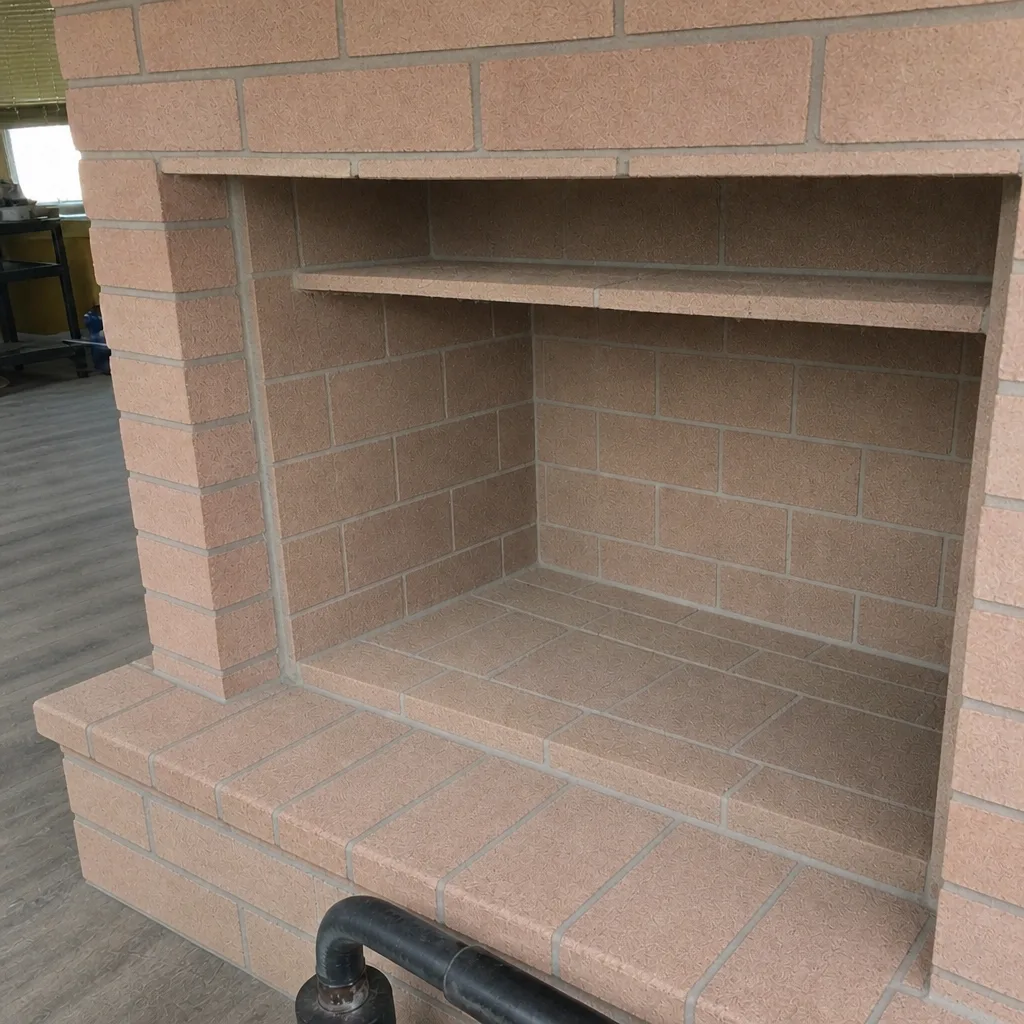
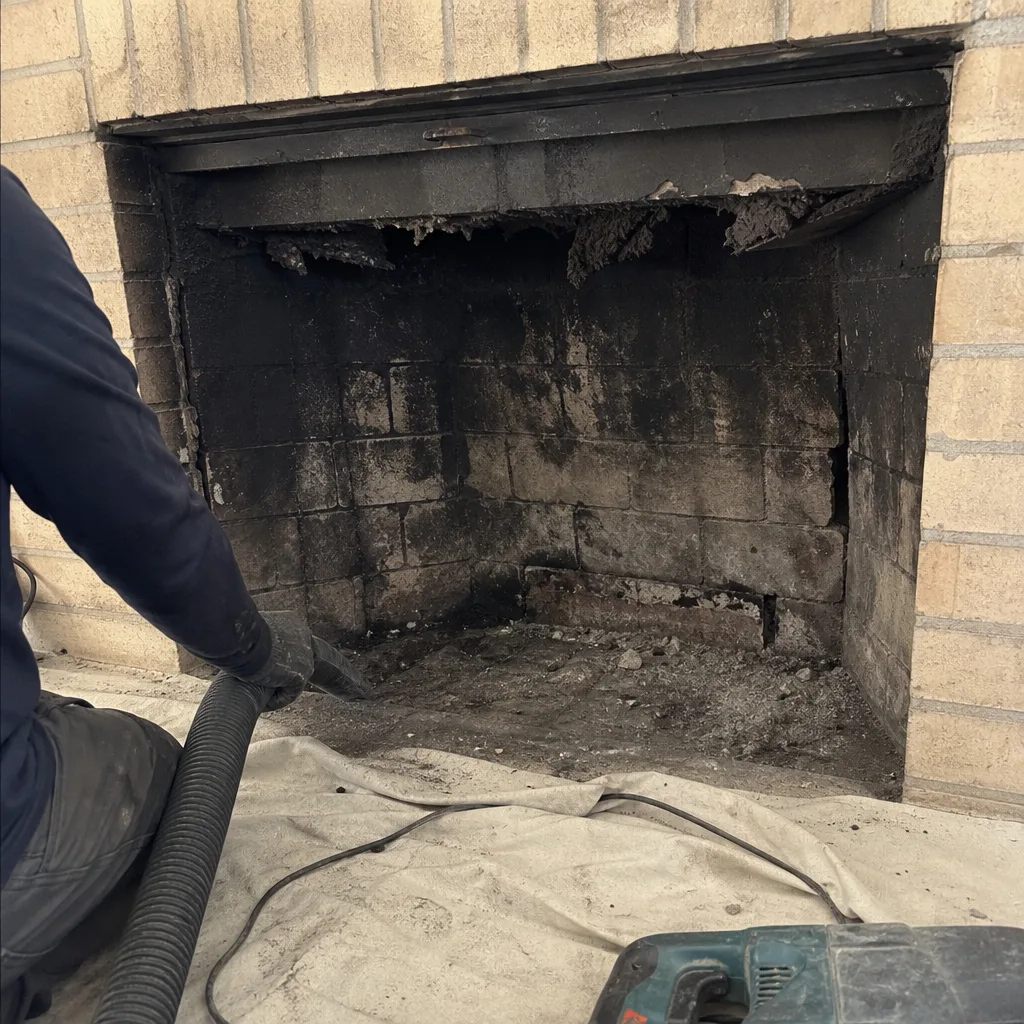
See the difference
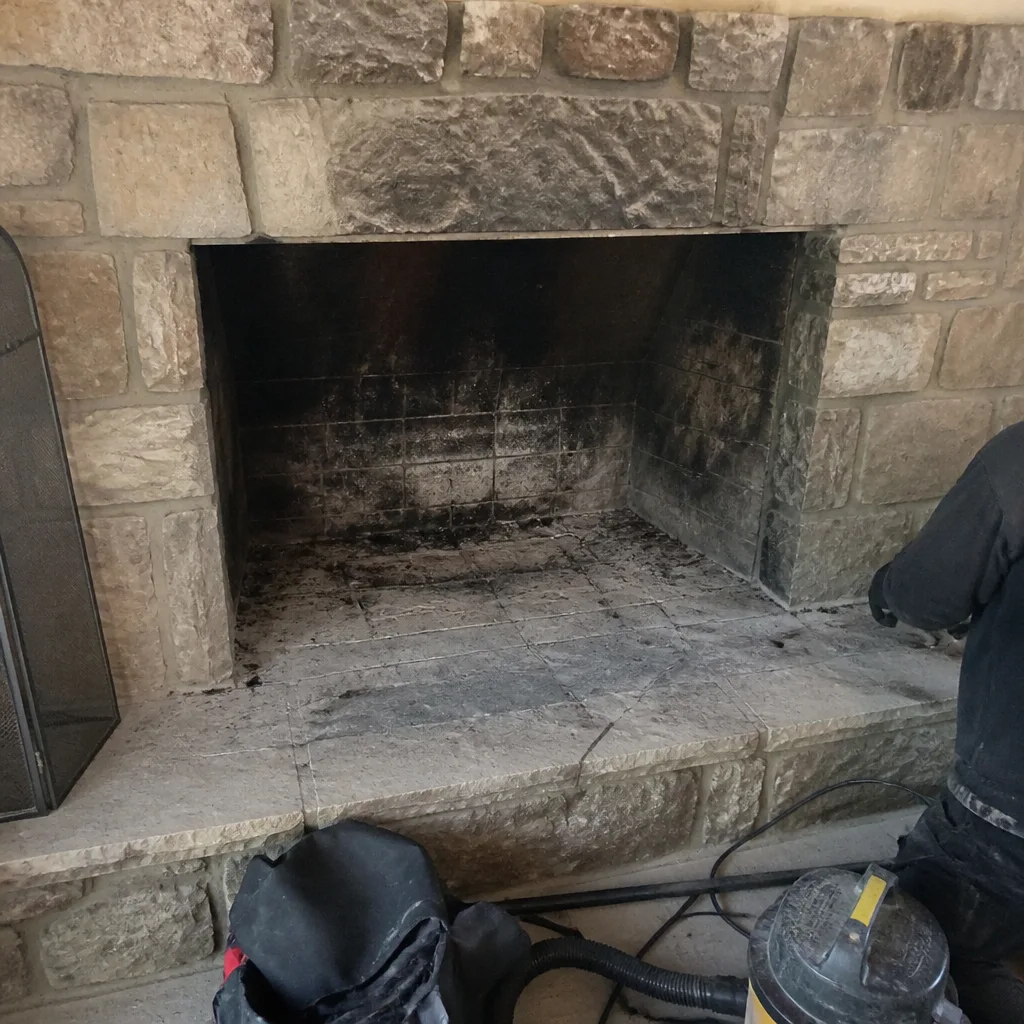 Before
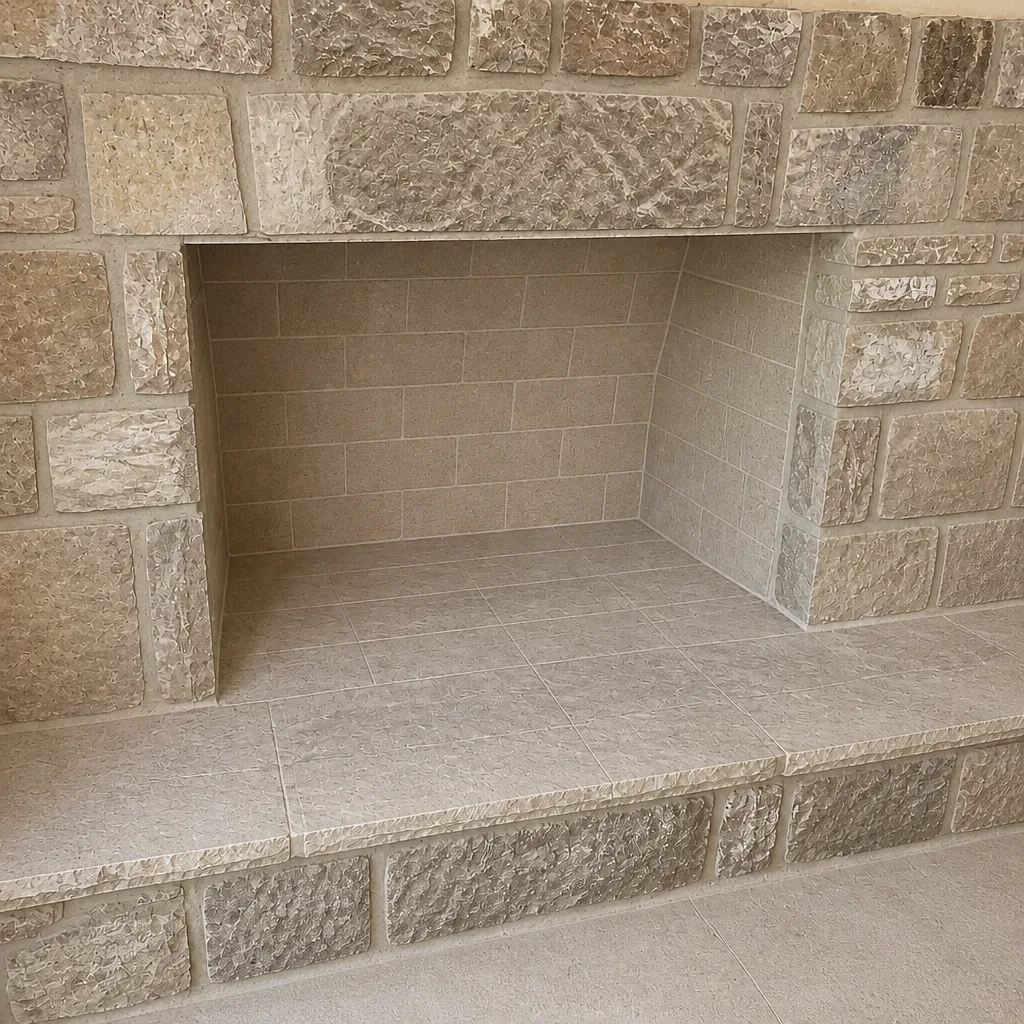 After
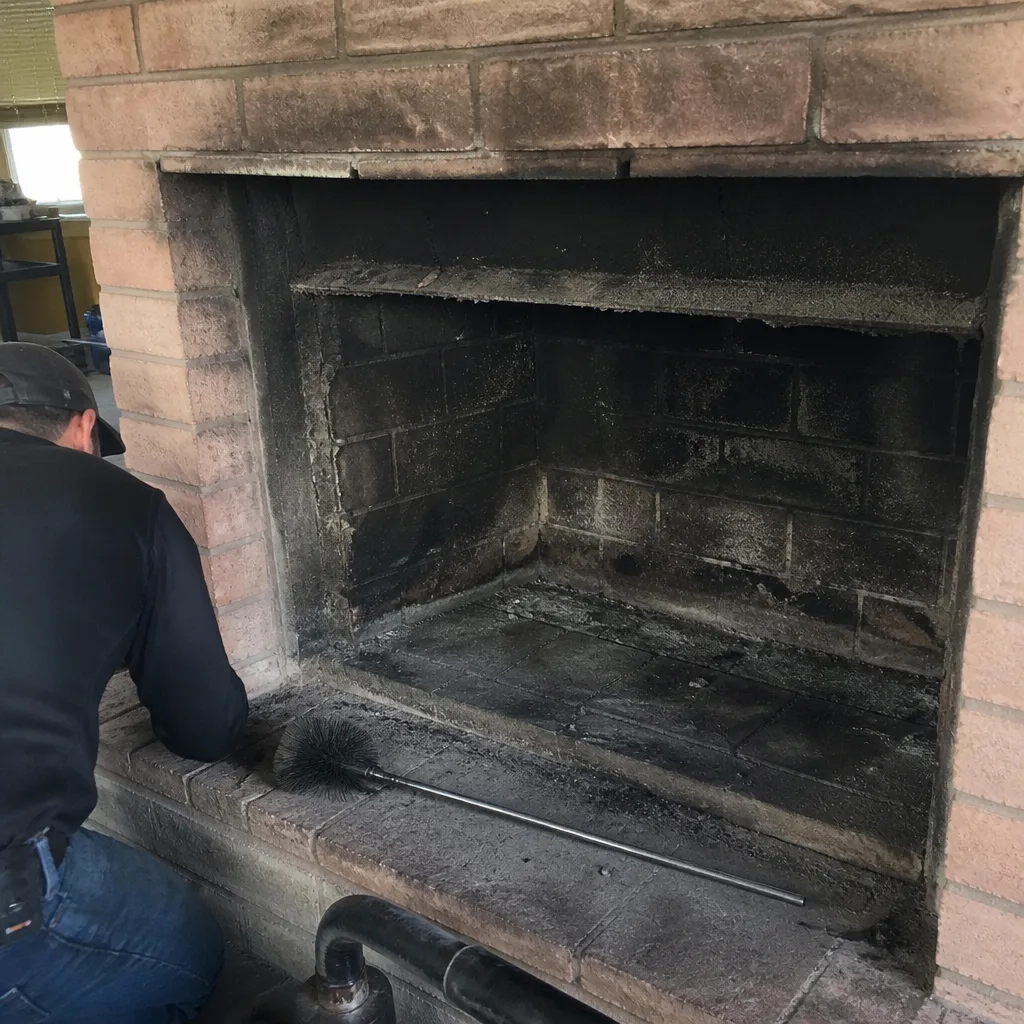 Before
 After
 Before
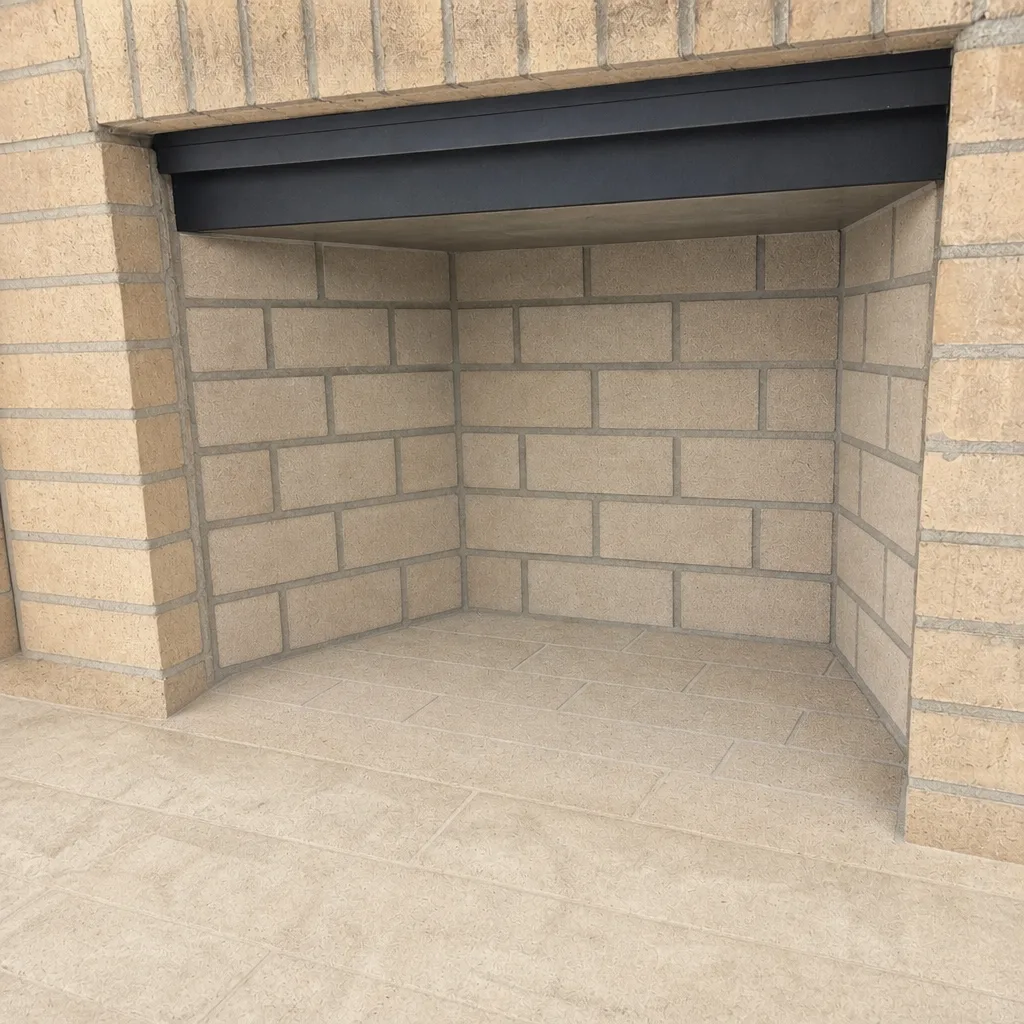 After
Frequently Asked Questions
You can safely clean light, surface-level soot from the firebox and the lowest flue section yourself, but you cannot identify or remove stage-two and stage-three creosote, inspect the smoke chamber, or verify flue condition without professional equipment. For a homeowner in a low-frequency-burning climate like Yuma’s, the risks concentrate in exactly the areas DIY work can’t reach. Call (866) 389-5011 for an exact quote on a professional sweep – estimates are free.
Yuma’s low-frequency burning pattern means a once-a-year sweep and inspection is appropriate for most homeowners, even if they burn less often than a cold-climate household. The key factor isn’t how much wood is burned, it’s whether the flue has been scanned and the creosote has been staged. Even with light burning, deposits can quietly build up in the smoke chamber over a single season. Call (866) 389-5011 to schedule a sweep and inspection – estimates are free.
Stage-two creosote is the crusty, hardened deposit that a standard brush can chip at but often doesn’t fully remove, while stage-three creosote is the glazed, tarry, or glassy layer that has baked onto the flue and cannot be removed by brushing at all. Stage-three creosote ignites at around 451 degrees Fahrenheit, making it the deposit that most often causes a chimney fire. Professional chemical treatments and rotary equipment are what actually remove stage-two and stage-three deposits. Call (866) 389-5011 for an exact quote – estimates are free.
Yes. Surface cleaning and professional inspection address completely different parts of the system. Your DIY work on the firebox cannot reveal cracks in the flue tile, deteriorating mortar joints, spalling tile, stage-three creosote, or a crown starting to fail. Those issues are visible only with video scanning from a professional sweep. The annual inspection is also documentation that matters if you ever have an insurance claim. Call (866) 389-5011 to book a documented inspection.
Coverage depends on your policy and whether the claim process can show the home was reasonably maintained. Insurers can reduce or deny a claim if they determine the chimney was neglected, and a homeowner’s word that they brushed the firebox is weaker evidence than a dated professional inspection report. Keeping a documented annual inspection protects the homeowner more reliably than any DIY maintenance record can. Call (866) 389-5011 to arrange one – estimates are free.
Professional sweeps use rotary brush systems with extended rods for reaching offset and non-standard flues, video scanning cameras that capture the full flue interior, and professional-grade chemical treatments for stage-two and stage-three creosote. They also work with product lines like HeatShield ceramic flue resurfacing and DuraFlex flexible liners when restoration or relining is needed, which no consumer-grade DIY kit can replicate. Call (866) 389-5011 for an exact quote on a professional sweep and inspection.
No. The firebox is the least informative part of the system. Creosote forms in the smoke chamber and upper flue, where a brush misses and your eye cannot follow. A spotless firebox tells you nothing about whether the smoke chamber is coated in stage-three creosote or whether the flue tiles are cracked. Only a professional camera inspection can answer that. Call (866) 389-5011 to schedule one – estimates are free.
Creosote continues to accumulate with every fire, and stage-one soot gradually becomes stage-two and stage-three deposits that can ignite. The risk doesn’t show up until it does, which means it’s been building quietly for seasons before anything goes wrong. Most skipped sweeps don’t cause a fire in the immediate term, but they remove the opportunity to catch a problem while it’s still cheap to fix. Call (866) 389-5011 for a professional sweep before burning season – estimates are free.
The Bottom Line
The DIY vs. professional chimney cleaning conversation in Yuma isn’t really about saving money. It’s about what a homeowner can see and reach – and what they can’t. DIY surface cleaning is a legitimate part of chimney maintenance, and homeowners who keep up with their fireboxes and observe their systems carefully are doing themselves a favor. But the deposits that cause chimney fires sit in the smoke chamber above the damper, in the upper flue, and along flue tile joints where the brush doesn’t reach and the eye doesn’t follow. The only way to know what’s there is to have a professional sweep look, capture the flue on camera, and produce a documented report. In Yuma, where the burning pattern is light and seasonal, that annual visit is what turns a clean-looking firebox into a chimney you can actually trust.
Ready to have the flue scanned and swept? Call Chimney Sweep Yuma at (866) 389-5011 for a free estimate. We answer 24/7. Fast dispatch from 7am to 7pm, Sunday through Friday. Professional-grade materials, a camera report you can keep, and honest recommendations about what can wait and what can’t – no second contractor, no middlemen, no upselling. Just the work that needs doing.
Written by the team at Chimney Sweep Yuma.