
Last updated November 16, 2026
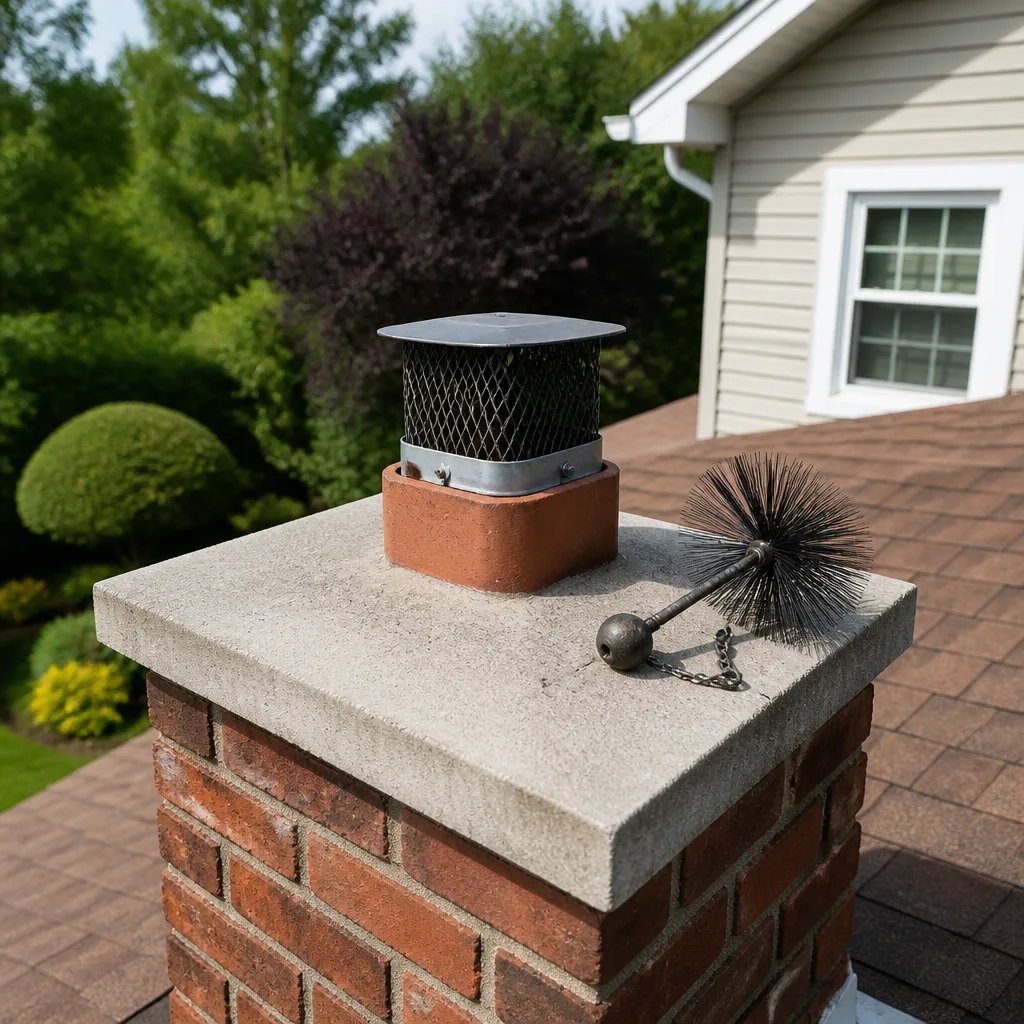 Sweep & inspection
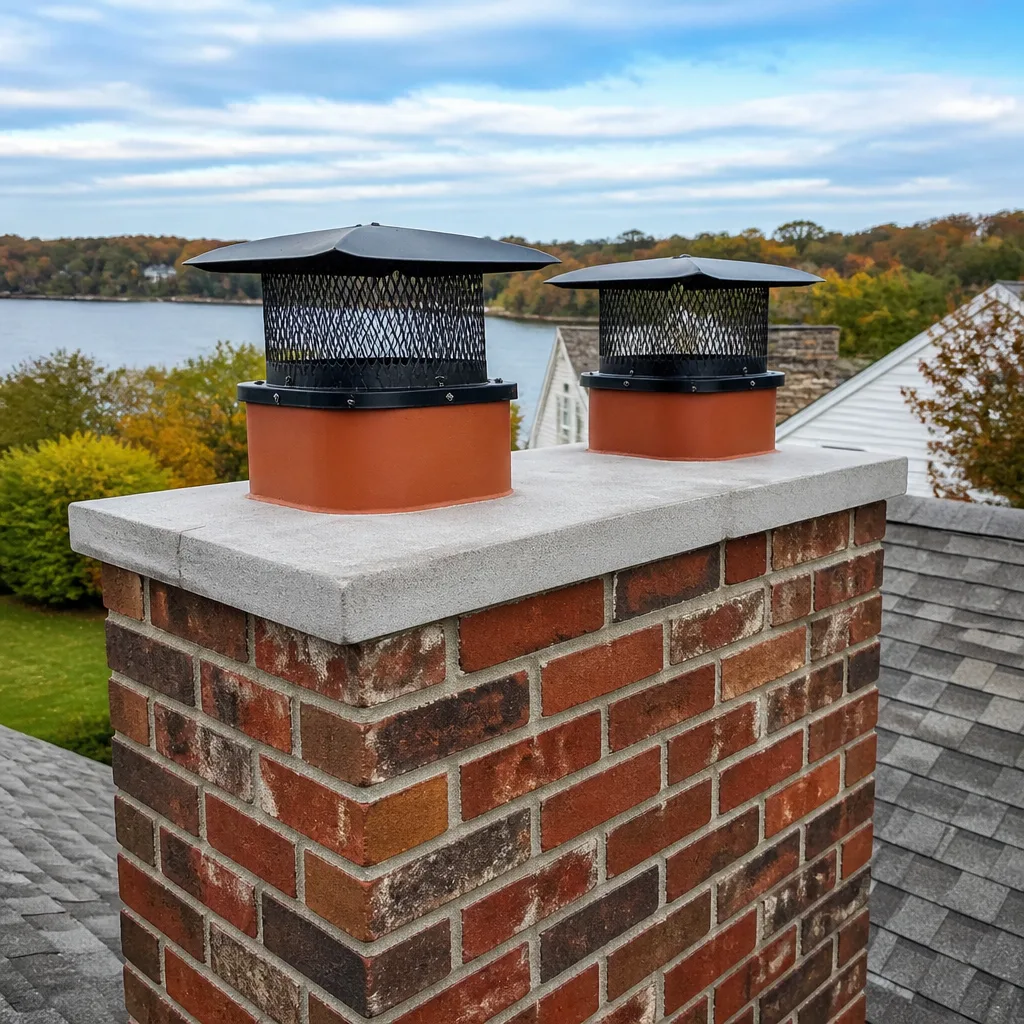 Caps & crowns
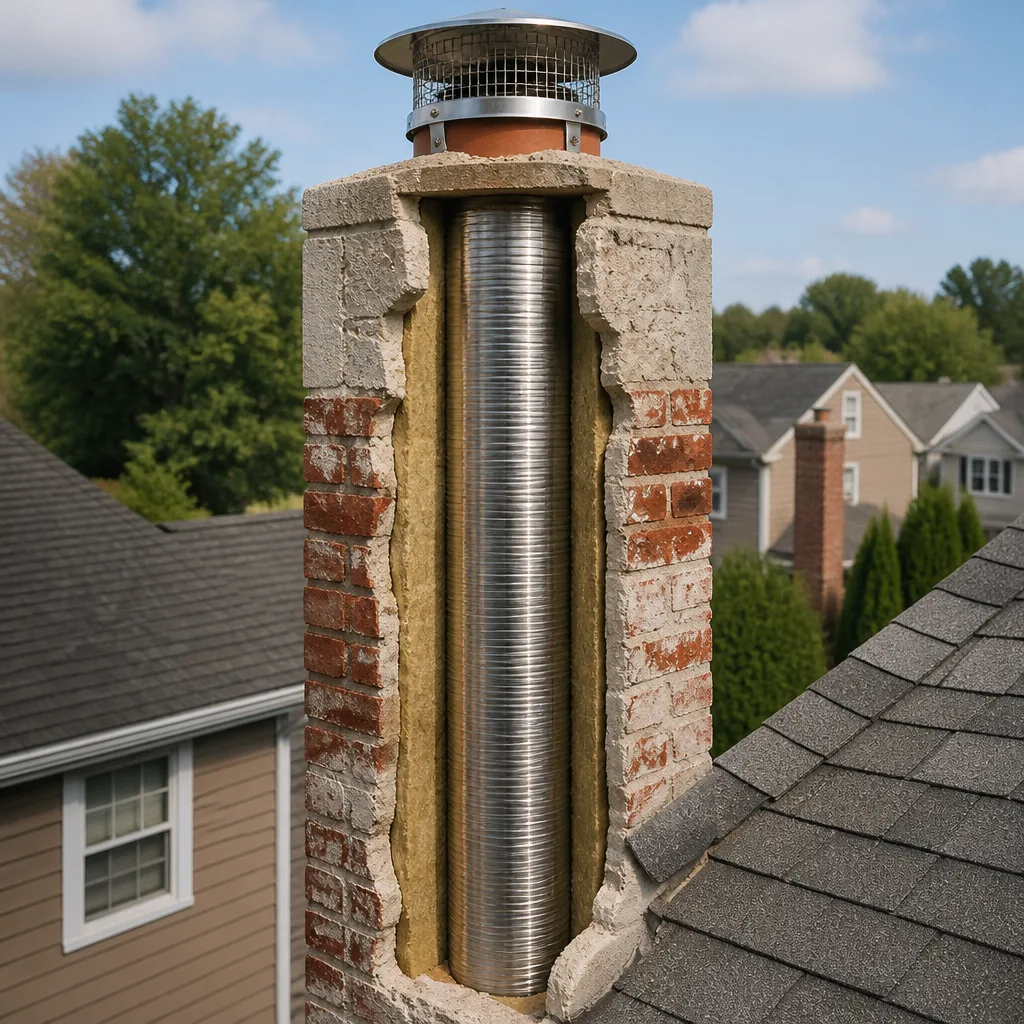 Flue relining
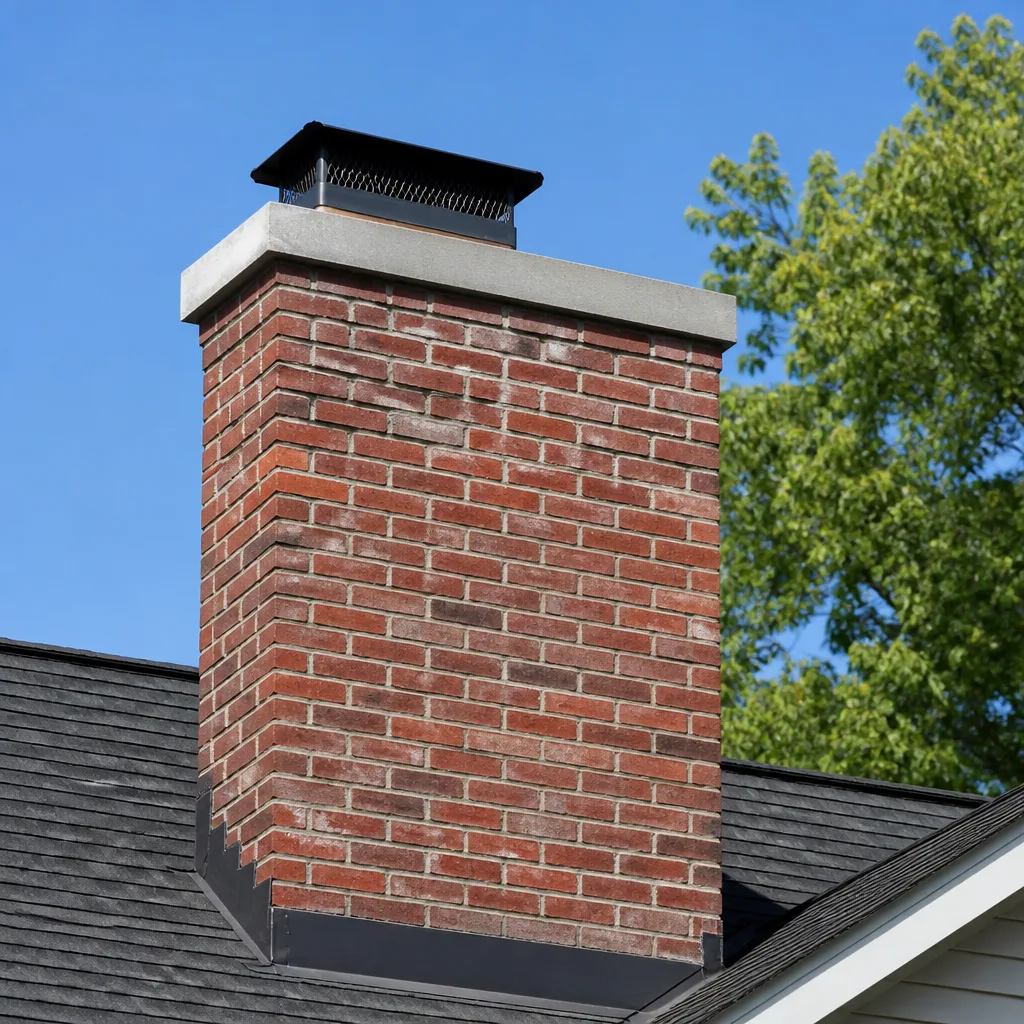 Masonry repair
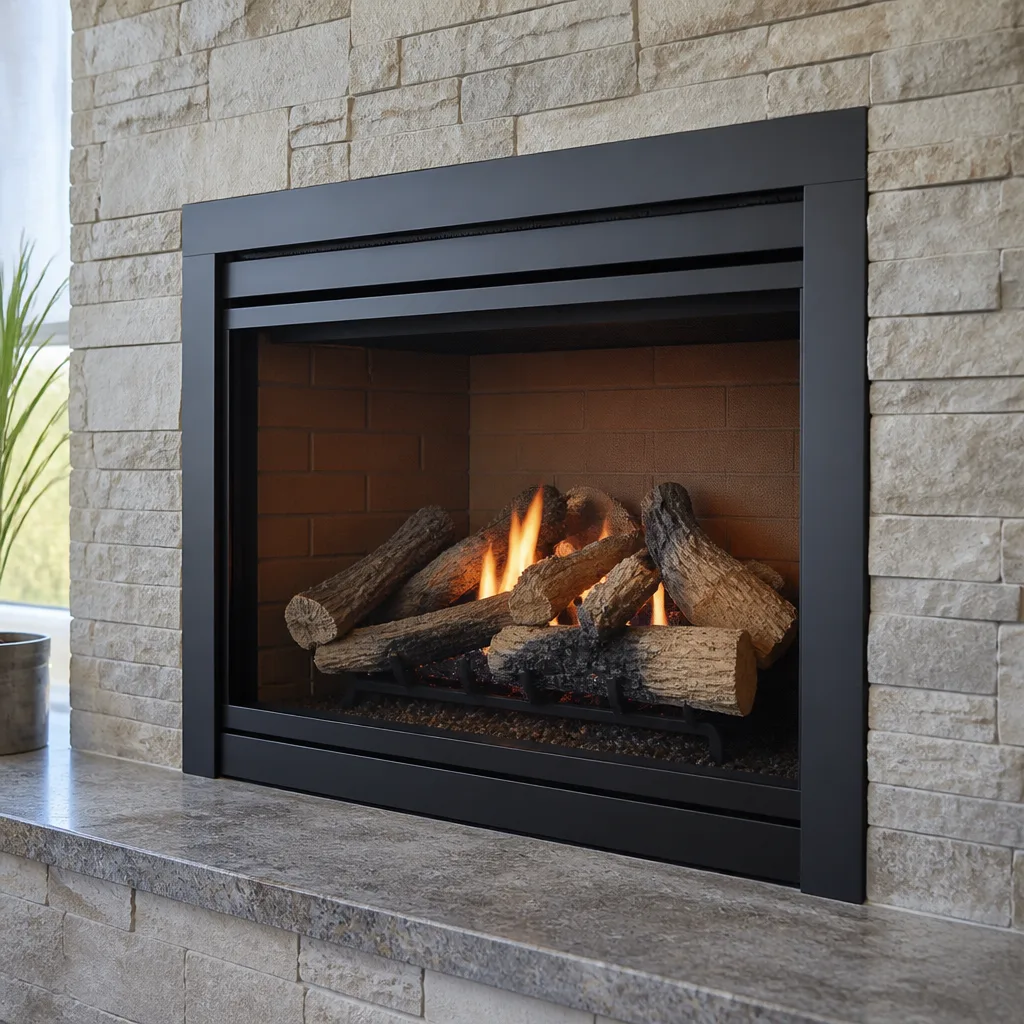 Gas fireplace service
Level 1 sweep and inspection to the NFPA 211 annual standard - flue, crown, cap, and flashing checked and photographed
Chimney sweep logs do not sweep chimneys. They loosen some creosote - which then falls where a brush and vacuum still have to collect it.
Chimney Cleaning Permits, Codes & Inspections in Yuma, AZ: What You Need to Know
A chimney cleaning can legally become a permit-required project the moment a technician documents structural damage, and in Arizona that documentation follows your home’s record. Most homeowners think of sweeping as routine housekeeping and permits as something that happens with room additions and pool builds. The line between the two is thinner than they expect. If a sweep finds cracked flue tiles, spalling mortar, or a failing liner, the work needed to fix it may fall under the City of Yuma’s building permit process, and the report that discovered it can become part of your property’s documented history. This guide walks through where cleaning ends and regulated work begins, how Arizona code treats fireplaces and flues, and how to protect yourself from liability before you schedule a visit in Yuma.
Quick Answer
Routine chimney sweeping in Yuma generally does not require a building permit, but repair and liner work often does once a technician documents structural damage, and Arizona’s adopted residential code sets the standards that work must meet. A Level 2 inspection creates a written record of your chimney’s condition that can surface during a future home sale. The practical takeaway: get the inspection in writing, know which findings trigger a permit, and understand that a documented defect becomes part of your home’s record whether or not you act on it right away.
Styles & brands we work with
- Sweep & inspection
- Caps & crowns
- Flue relining
- Masonry repair
- Gas fireplace service
Table of Contents
- Does Chimney Cleaning Require a Permit in Yuma?
- How Arizona’s Residential Code Applies to Fireplaces and Flues
- What a Level 2 Inspection Documents and Why It Follows Your Home
- What Triggers a Mandatory Code Upgrade During Cleaning or Repair
- The Liability Difference Between a Written Report and an Informal Assessment
- How Yuma’s Climate Affects Chimney Wear and Code Compliance
- How the Permit and Inspection Process Usually Works
- Selling a Home in Yuma With Chimney Findings on Record
Does Chimney Cleaning Require a Permit in Yuma?
No, a standard chimney sweep does not require a City of Yuma building permit. Sweeping is maintenance: removing creosote, ash, and debris from a flue that is already built and permitted. What does often require a permit is the repair work a sweep uncovers. Replacing a flue liner, rebuilding a firebox, repairing a chimney crown or chase, and altering the venting system typically fall into the category of construction work that the City of Yuma’s building department wants to review before it happens.
The distinction matters because it changes who is responsible for what. Routine maintenance is between you and your chimney professional. Permitted work brings a third party into the process: the municipal inspector who verifies the job meets code. That inspection is not a formality. It is the step that confirms a liner was installed to the manufacturer’s specifications, that clearances to combustibles were maintained, and that the finished chimney will vent safely.
In our experience, the confusion usually starts when a homeowner reads the word “cleaning” on an invoice and assumes the whole visit was maintenance. A sweep that turns into a documented repair is a different category of work, and the paperwork should reflect that. Ask before the visit begins: if you find damage, will this repair need a permit, and who pulls it? A chimney professional who works in Yuma regularly will know the answer without guessing. If you want the straight version of where sweeping fits versus repair, our chimney sweep page covers the maintenance side in detail.
What routine work typically does not require a permit
- Standard sweeping and creosote removal
- Visual (Level 1) inspection of an accessible, readily reachable chimney
- Cleaning a chimney cap or removing a bird nest from the flue
- Replacing a cap or spark arrestor with a like-for-like component
What usually does require review
- Installing or replacing a flue liner
- Rebuilding a firebox or smoke chamber
- Structural repair to the chimney chase or crown
- Changing the type of appliance vented into the flue
When in doubt, call the City of Yuma building department directly and describe the work. That call costs nothing and settles the question faster than any secondhand answer.
How Arizona’s Residential Code Applies to Fireplaces and Flues
Arizona has adopted the International Residential Code, and that adoption is what gives the fireplace and flue standards in this state their legal weight. The IRC sets requirements for chimney construction, clearances to combustible materials, liner integrity, and how a flue must be sized and vented. When a Yuma chimney is built or repaired, those standards are the benchmark the municipal inspector measures against.
What this means for a homeowner is straightforward: a chimney that was acceptable when it was built may not meet the current edition of the code, and repair work is generally held to the current standard rather than the original one. That is not a technicality aimed at you. It is how building codes work everywhere: the standard rises over time as the failure modes become better understood. A clay tile flue that served a Yuma home well for decades can still fall short of current liner requirements once it deteriorates.
The IRC matters most at the moment of repair. If a chimney professional opens up a flue and finds a liner that no longer meets code, the repair generally has to bring that component up to the current standard. You cannot simply patch a non-compliant liner back together and call it finished, at least not on permitted work. That is why the inspection step comes before the repair estimate. Knowing what the code requires of the specific flue in front of you is what lets a professional tell you honestly whether a repair, a resurfacing, or a full reline is the right call.
In our work around Yuma, we lean on product lines the trade recognizes for exactly this reason. HeatShield ceramic resurfacing can restore a deteriorated flue to a sound, code-appropriate condition without defaulting to a full replacement, and DuraFlex flexible liners address offset or irregular flues that rigid systems cannot navigate. Professional-grade materials, not hardware-store substitutes, are what let a repair actually meet the standard the code is asking for.
What a Level 2 Inspection Documents and Why It Follows Your Home
A Level 2 inspection is the most important record a Yuma homeowner can have, because it produces a written, documented account of the chimney’s condition that can outlast the visit. A Level 1 inspection is a visual check of accessible components. A Level 2 inspection goes further: it uses a camera to examine the interior of the flue, checks concealed areas where reachable, and results in a report describing what was found. That report is the difference between “the chimney looked fine” and “here is what the flue actually looks like inside.”
Why does the record follow your home? Because a documented inspection becomes part of the paper trail a future buyer, their inspector, or their lender may ask to see. When you sell a home in Yuma, a chimney that has a Level 2 report on file is easier to represent than one with only a verbal “it’s fine” from a sweep years ago. The report either confirms the chimney is sound or it flags a defect that needs attention. Either way, the seller is not blindsided mid-transaction.
Level 2 inspections are also the standard trigger point for real estate transactions, after a chimney fire, after an earthquake or significant settling event, and when a change is made to the venting system. If any of those apply to your Yuma home, an inspection is not optional diligence: it is the step that establishes what you are actually dealing with.
What a Level 2 inspection includes
- Visual examination of all accessible interior and exterior chimney components
- Camera inspection of the flue interior to check liner condition
- Assessment of clearances to combustible materials
- Review of the appliance connection and venting configuration
- A written report with findings, photos, and recommended next steps
If you are preparing to sell, or you simply want the record on file, our chimney repair team can complete the inspection and document anything that needs follow-up.
What Triggers a Mandatory Code Upgrade During Cleaning or Repair
Certain findings force the code question during a sweep or repair visit, and knowing the list helps you understand why a professional suddenly starts talking about a permit. The trigger is not arbitrary. It is the point where the discovered condition means the chimney no longer meets the standard the code requires, so the repair has to bring it into compliance rather than restore the failed condition.
The common triggers
- A breached or cracked flue liner. Once the liner is cracked or missing, the flue no longer safely contains combustion products, and a repair has to restore a compliant liner.
- Spalling or deteriorating mortar joints. Crumbling masonry inside the flue is a structural failure, and the repair has to address it, sometimes with ceramic resurfacing.
- Improper clearances to combustibles. A chimney built too close to wood framing needs correction before it can be signed off.
- A change of appliance. Swapping or adding a wood stove changes the venting requirements, and the flue has to be sized and lined for the new appliance.
- An unlined flue. An older flue with no liner at all generally cannot be returned to service without one.
We’ve seen the pattern enough times to describe it plainly. A homeowner books a routine sweep, the technician runs a camera, and the flue turns out to be in worse shape than the last sweep suggested. At that moment, the honest answer is not “let’s patch it and move on.” It is to explain what the code requires, what the compliant repair looks like, and whether it needs a permit. That is why we bring the full set of product lines to the conversation, from Gelco and Olympia Chimney caps and venting components to HeatShield resurfacing and DuraFlex liners: the right fix depends on what the camera actually shows, not on what’s easiest to sell.
The Liability Difference Between a Written Report and an Informal Assessment
A certified chimney contractor’s written report and an informal verbal assessment are not the same thing, and the gap between them is liability. An informal “looks okay” from a general handyman carries almost no weight if something goes wrong later. A written report from a chimney specialist documents what was inspected, what was found, what was recommended, and when. That record protects the homeowner, the contractor, and the transaction.
Consider the difference in a real scenario, described generally. A homeowner in Yuma has a sweep done, hears that the chimney “seems fine,” and moves on. Two years later, a home inspection during a sale reveals a cracked liner that was never documented. The homeowner has no record of what was or wasn’t found at the earlier visit, and the buyer’s inspector now has a finding the seller can’t explain. Compare that with a Level 2 report on file: it either shows the liner was sound at the time of inspection, or it shows the defect was flagged and the homeowner chose how to proceed. Either way, the homeowner has a documented position rather than a memory.
The liability also runs the other direction. A written report from a certified professional is something an insurer, a real estate agent, and a code official can all rely on. An informal assessment is not. When work is permitted and inspected by the City of Yuma, that municipal sign-off is a third layer of documentation that sits alongside the contractor’s report. Between the two, the homeowner has a clear chain of accountability that a verbal “looks good” can never provide.
This is the practical reason to insist on the written version every time. If a technician won’t put findings in writing, that tells you something about the assessment. Documentation is not paperwork for its own sake: it is the thing that determines who is responsible if a problem surfaces later.
How Yuma’s Climate Affects Chimney Wear and Code Compliance
Yuma’s climate shapes chimney wear in ways that matter for code compliance, and it does so differently from the cold, snowy places most chimney advice is written for. Our winters are mild. That means the chimney is not under the same freeze-and-thaw stress that drives deterioration in colder regions, and the seasonal rhythm of use is different. Yuma homeowners tend to light the fireplace on cool desert evenings rather than through a long heating season, so the flue accumulates creosote over a longer calendar window than a northern chimney does.
What we see around Yuma is a pattern of wear driven by heat, dryness, and dust rather than moisture and frost. The intense summer heat works on the exterior of the chimney chase, the masonry and crown take direct sun, and the dry air combined with wind-borne dust can settle inside an unused flue between seasons. A chimney that sits idle through a long hot stretch can accumulate a surprising amount of debris, and the first burn of the season is when a homeowner discovers the draft is poor or the flue is blocked.
The compliance implication is simple. A Yuma chimney that hasn’t been inspected in a while has had time to develop exactly the conditions that trigger a code upgrade: a liner that has degraded quietly, mortar that has spalled, a cap that has come loose and let the weather and wildlife in. Our mild winter means there is no hard freeze to call attention to a problem. The deterioration is gradual and easy to overlook until an inspection or a camera check surfaces it.
This is also why the timing of an inspection matters. The best moment to inspect is before the chimney is put back into service, not after a problem shows up during a cold evening. A documented inspection ahead of the season gives you the full picture while there’s still time to plan the work rather than react to it.
How the Permit and Inspection Process Usually Works
The path from a cleaning to a permitted repair follows a predictable sequence, and knowing the steps makes the process far less intimidating. The order below describes how it typically goes for a homeowner in Yuma, though the exact details depend on what the inspection finds and on the City of Yuma building department’s requirements for your specific project.
The typical sequence
- Sweep and inspect. The chimney is cleaned and, if there is reason, a Level 2 camera inspection is performed to see the flue interior.
- Document the findings. Any defects are recorded in a written report with photos, so you have a clear record of the condition.
- Determine whether a permit is needed. The contractor identifies which repairs fall under routine maintenance and which require City of Yuma review.
- Pull the permit before the work starts. Permitted work is reviewed by the building department before it begins, not after.
- Complete the repair. The work is done to the current code standard using industry-grade materials suited to the flue.
- Pass the inspection. A municipal inspector verifies the finished work, and the sign-off becomes part of your home’s record.
Two things trip homeowners up here. The first is skipping the written documentation step because the verbal summary sounded fine. The second is assuming a permit means the project will be slower or more expensive than it needs to be. In practice, a permit is the step that confirms the repair will actually hold up, and it’s the layer of protection that stays with the home long after the contractor has gone. The cost and scope of any repair are set by a written estimate after the inspection, not before it, so you know what you’re approving before the work begins.
When the inspection does uncover a repair, the conversation should be about options, not a single default answer. HeatShield ceramic flue resurfacing can restore spalling or cracked tile in many cases without a full reline, while a damaged or offset flue may call for a DuraFlex flexible liner. The right approach is the one that meets code and fits what the camera shows. Either way, it’s built to last the next season and the one after that.
Selling a Home in Yuma With Chimney Findings on Record
A chimney finding on record does not doom a home sale, but it does change the conversation, and it is better to have that conversation before a buyer’s inspector raises it. In Yuma, where a working fireplace is a genuine selling point, a documented chimney is an asset. A buyer who sees a clear Level 2 report and a record of compliant repairs has one less thing to worry about. A buyer who sees an undocumented chimney with an unknown history tends to add it to their list of concerns.
The practical approach for a seller is to inspect early. If you’re even thinking about listing, a chimney inspection before the home goes on the market gives you time to address findings on your schedule rather than under contract pressure. If a repair needs a permit and a City of Yuma inspection, doing it before the listing means the sign-off is already in the file. If the chimney is sound, the report becomes evidence of good maintenance that you can hand to a buyer.
The worst position for a seller is a defect that surfaces after an offer is accepted, when the seller has lost negotiating room and must either fix the problem on the buyer’s timeline or discount the price. Documentation gathered ahead of time avoids that entirely. The record you create during a routine inspection is the same record that smooths a sale months later.
This is the liability point from earlier, played out at the transaction level. The written report is what lets you represent the home accurately: no overstatement, no surprise defect, just a clear account of what the chimney is and what it needs. That’s worth more than a verbal reassurance ever will be.
Common Mistakes to Avoid
- Treating “cleaning” as if it settles structural questions. A sweep removes creosote but doesn’t verify the flue interior. Without a camera inspection, you don’t know what the liner actually looks like. Two sentences: the sweep answers a fire-safety question, the inspection answers a structural one. Don’t assume one covers the other.
- Accepting only a verbal assessment. An informal “looks fine” gives you nothing to point to later. If a technician won’t put findings in writing, ask why, because a written report is exactly what protects you during a sale or an insurance matter.
- Assuming repair work doesn’t need a permit. A liner replacement or firebox rebuild often falls under City of Yuma review. Skipping the permit leaves work that isn’t signed off, and that can surface as an open item when you sell.
- Letting an out-of-compliance condition sit unaddressed. A cracked liner or improper clearance is not going to correct itself, and a documented defect that goes untreated is worse in a transaction than one that was flagged and repaired.
- Hiring a generalist for chimney-specific work. A handyman can clean a flue, but a home that needs a liner or resurfacing needs someone who works with recognized product lines and knows the current code. Chimney specialists, not generalists, is the right standard.
- Overlooking the cap and venting. A loose or missing cap lets in weather, debris, and wildlife, and a poorly fitting vent can cause draft problems. Gelco and Olympia Chimney components address these in a single visit rather than a return trip.
- Waiting to inspect until something forces the issue. Scheduling an inspection before the first cool evening of the season gives you time to plan and permit any work. Reacting after a draft problem appears means fixing it on the problem’s schedule, not yours.
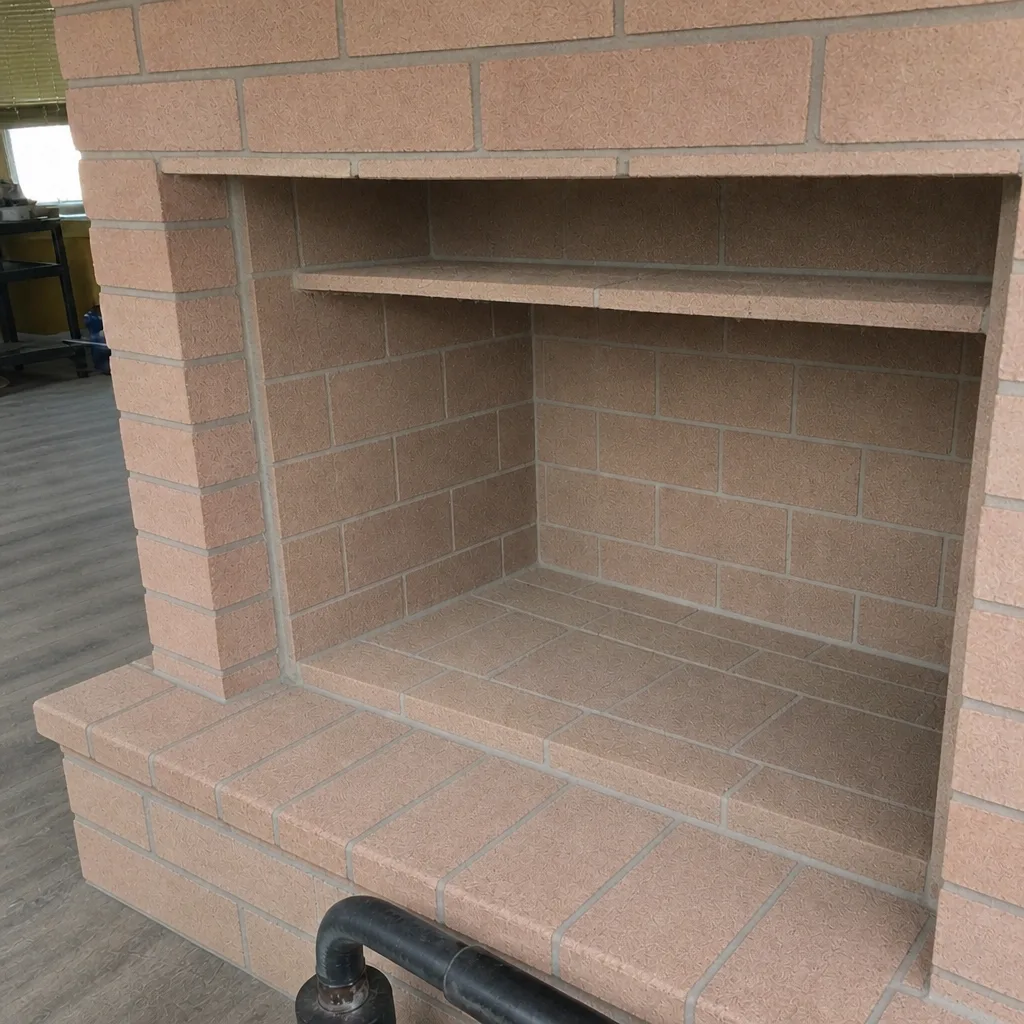
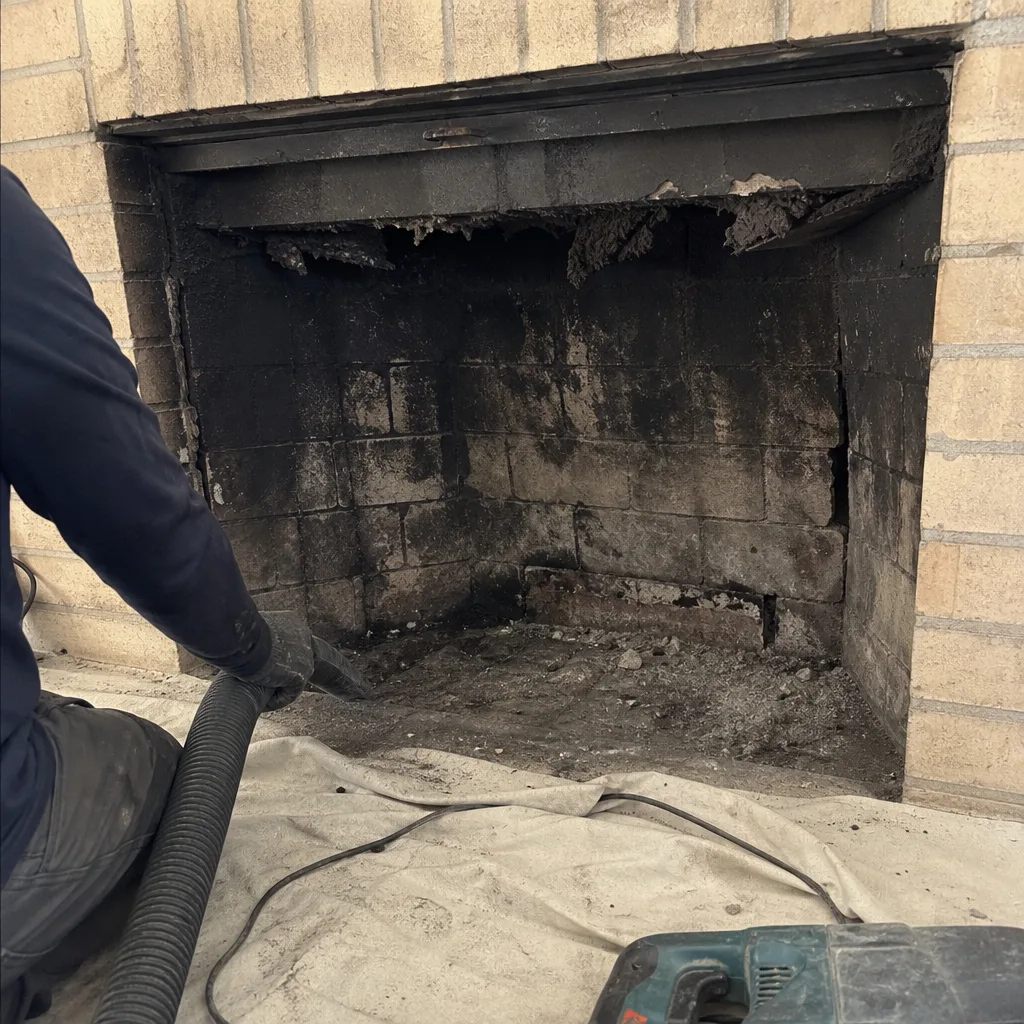
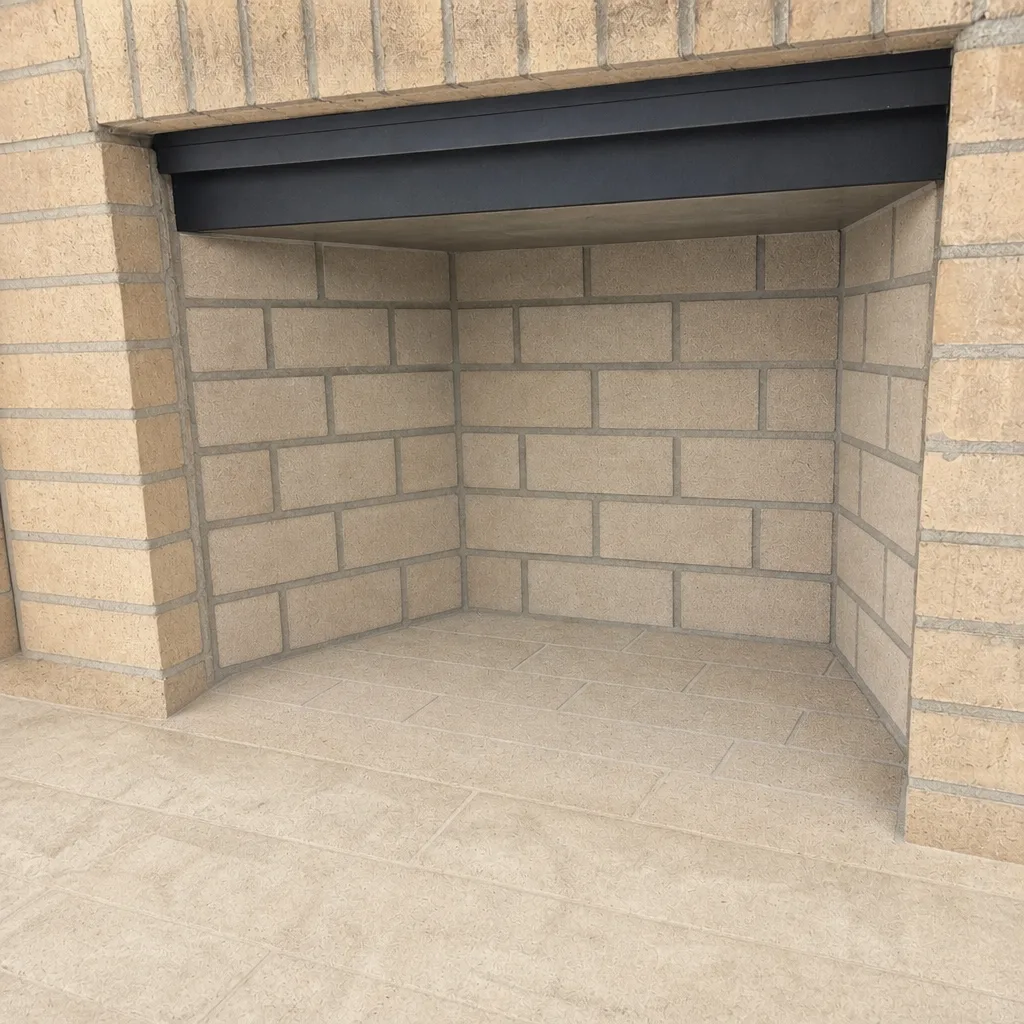
See the difference
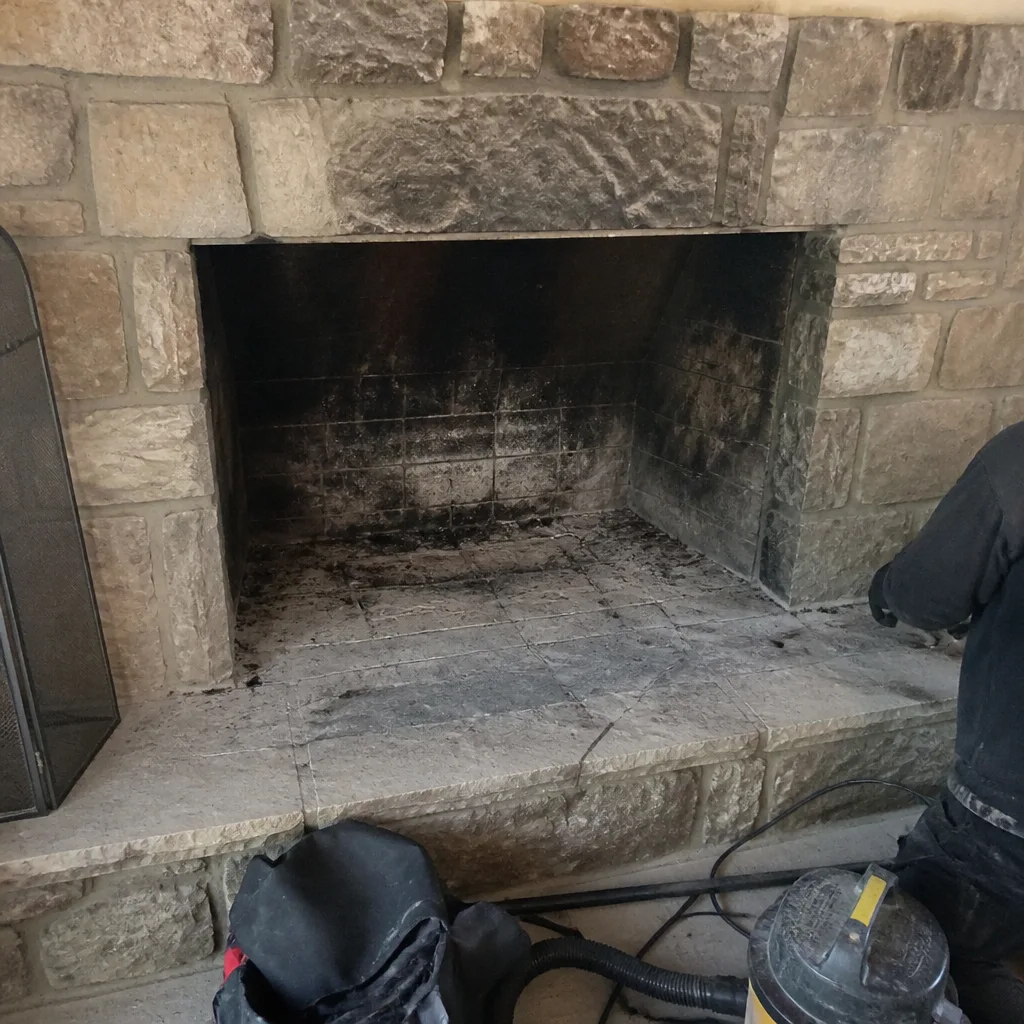 Before
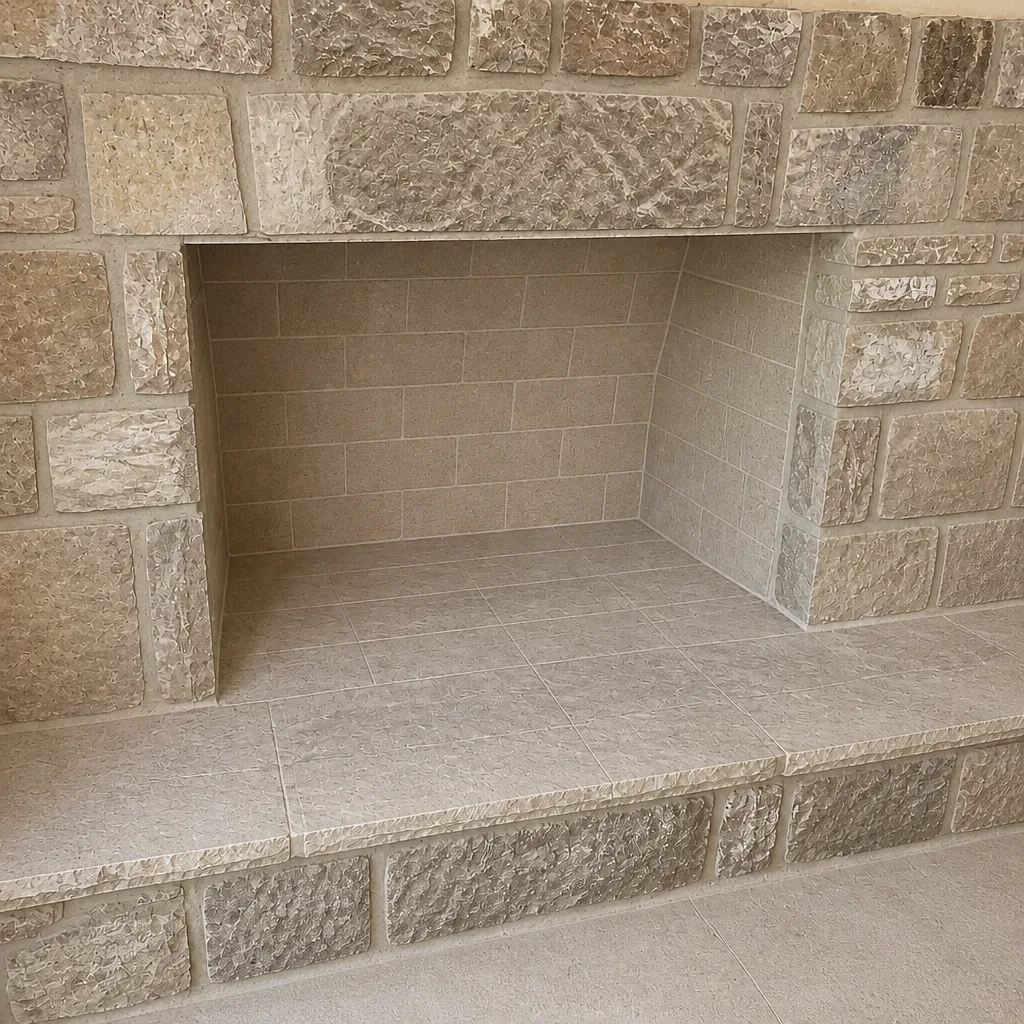 After
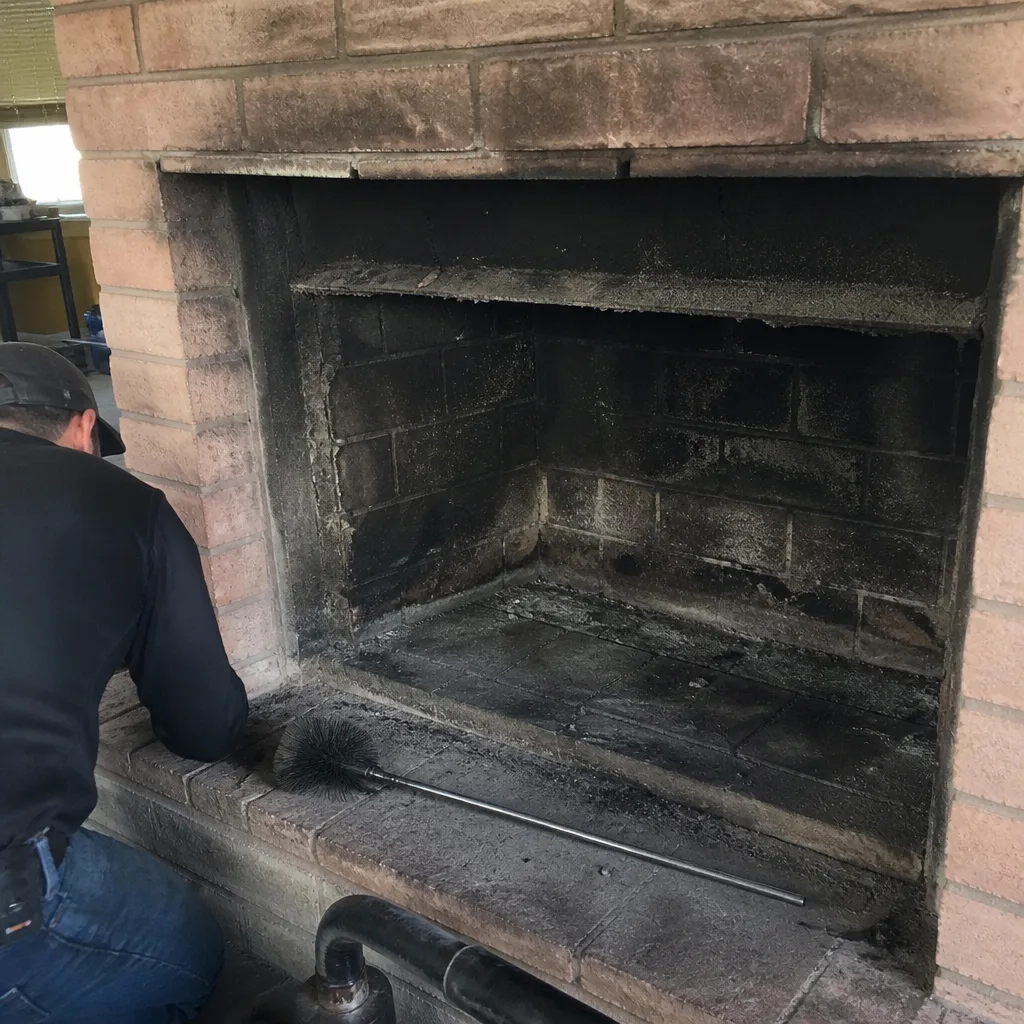 Before
 After
 Before
 After
When to Call a Professional
Call a chimney professional when you don’t have a documented inspection history for your Yuma home, when the flue has never been camera-checked, or when you’re preparing to sell and want the record in place before listing. Call if a sweep reveals damage and you need to know which repairs require a City of Yuma permit. Call if you’ve changed appliances, if the chimney has sat idle for seasons, or if a draft problem or smoke backdraft has shown up. Call if a cap is missing or a liner is suspect. These are the situations where a documented, code-aware assessment changes your position, and where the difference between a specialist and a generalist actually matters.
Chimney Sweep Yuma offers free estimates in Yuma. Call (866) 389-5011. We answer 24/7. Fast dispatch from 7am to 7pm, Sunday through Friday. Our technicians have up to 13 years of experience, and we bring the full set of chimney-specific materials, from HeatShield resurfacing to DuraFlex liners and Gelco caps, so an inspection and the repair it uncovers can be handled in one clear process. You’ll get the condition documented, the permit question answered honestly, and a written estimate before anything begins. Visit our Chimney Sweep Yuma home page to see the full scope of what we do.
Frequently Asked Questions
No, a standard chimney sweep does not require a City of Yuma building permit, because routine cleaning is maintenance rather than construction. Permits generally come into play for repair and liner work once a technician documents structural damage. If your sweep uncovers a cracked flue or failing liner, ask the contractor whether the repair requires City of Yuma review before it starts. Call (866) 389-5011 for a free estimate on any repair the inspection reveals, and we’ll tell you plainly whether a permit applies.
A Level 1 inspection is a visual check of accessible chimney components, while a Level 2 inspection adds a camera examination of the flue interior and results in a written report. The Level 2 is the inspection that documents liner condition and creates the record that matters during a home sale. If your Yuma home hasn’t had a camera inspection, that’s the gap to close. Call (866) 389-5011 for a free estimate and we’ll walk you through what a Level 2 covers.
A mandatory code upgrade is typically triggered when an inspection finds a condition the chimney can no longer safely meet, such as a breached liner, spalling mortar joints, improper clearances to combustibles, an unlined flue, or a change to the appliance venting. Once the code standard applies, the repair has to bring that component into compliance rather than restore the failed condition. Call (866) 389-5011 for a free estimate, and we’ll explain which findings apply to your chimney.
Yes, a written inspection report can follow the home, because it becomes part of your property’s documented record and may be requested by a buyer or their inspector during a sale. A documented chimney is easier to represent than an undocumented one, and a repair that was permitted and signed off by the City of Yuma adds a municipal sign-off to that record. Call (866) 389-5011 for a free estimate and get the report in place before you list.
The general divide is maintenance versus construction: sweeping, cap replacement, and visual inspection are maintenance, while liner replacement, firebox rebuilds, structural repair, and appliance changes are construction work that often requires a City of Yuma permit. The reliable way to know is to have the inspection findings in writing and confirm the permit question with the building department for your specific project. Call (866) 389-5011 for a free estimate and we’ll help you sort out which category your work falls into.
Yuma’s climate matters because mild winters and long hot, dry stretches let deterioration happen gradually and quietly, without a hard freeze to call attention to a problem. A flue that sits idle through the summer can accumulate debris, and an old liner can degrade well before anyone notices. The practical response is to inspect before the season rather than after a problem appears. Call (866) 389-5011 for a free estimate and get the condition documented while there’s time to plan.
The Bottom Line
Cleaning and code compliance are two different things, and the line between them is crossed the moment a sweep documents structural damage. Routine sweeping in Yuma needs no permit, but liner replacement, firebox rebuilds, and repairs to a failing flue often fall under City of Yuma review, and the standards they must meet come from Arizona’s adoption of the International Residential Code. A Level 2 inspection is what creates the written record that can follow your home and smooth a future sale, and it’s the difference between a certified report and an informal guess. Get the inspection in writing, understand which findings trigger a permit, and don’t let a documented defect sit unaddressed. That’s how you protect your home, your liability, and your next transaction.
Written by the team at Chimney Sweep Yuma.