
Last updated November 16, 2026
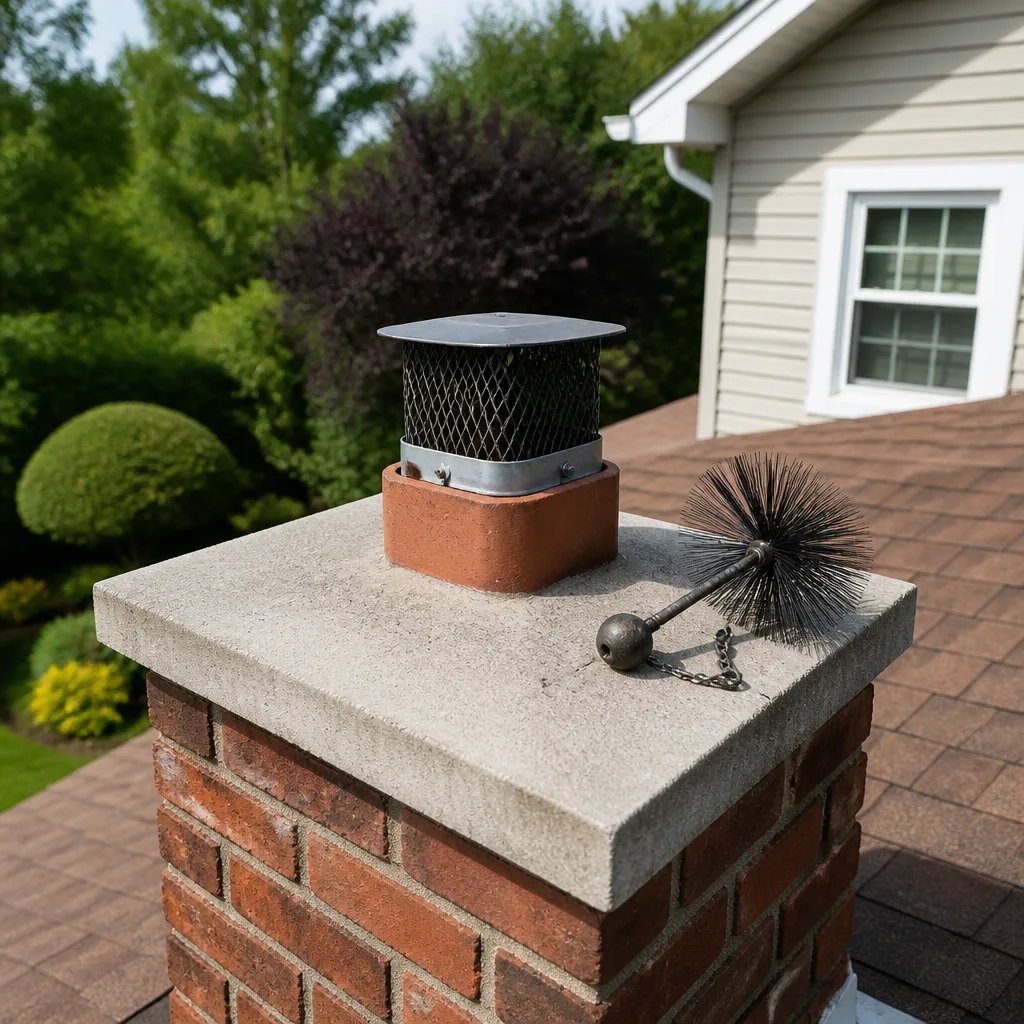 Sweep & inspection
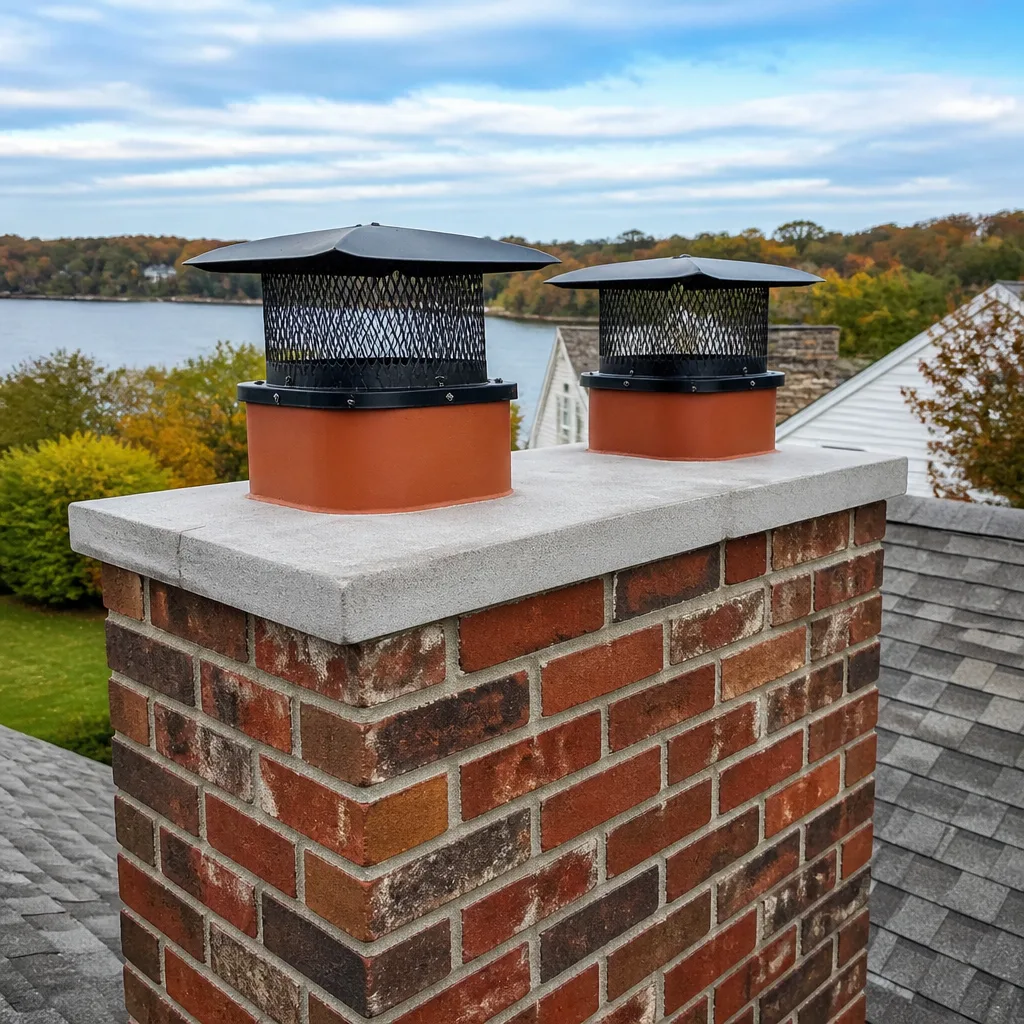 Caps & crowns
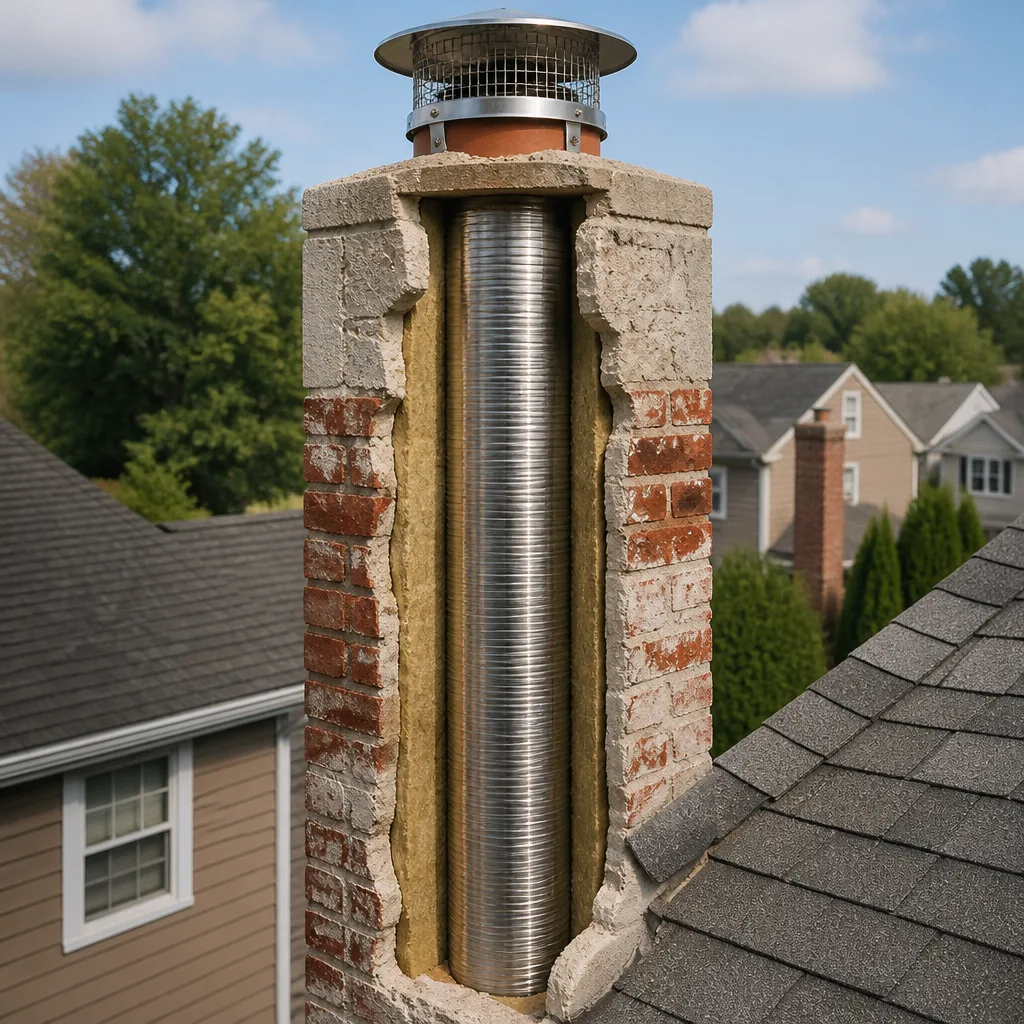 Flue relining
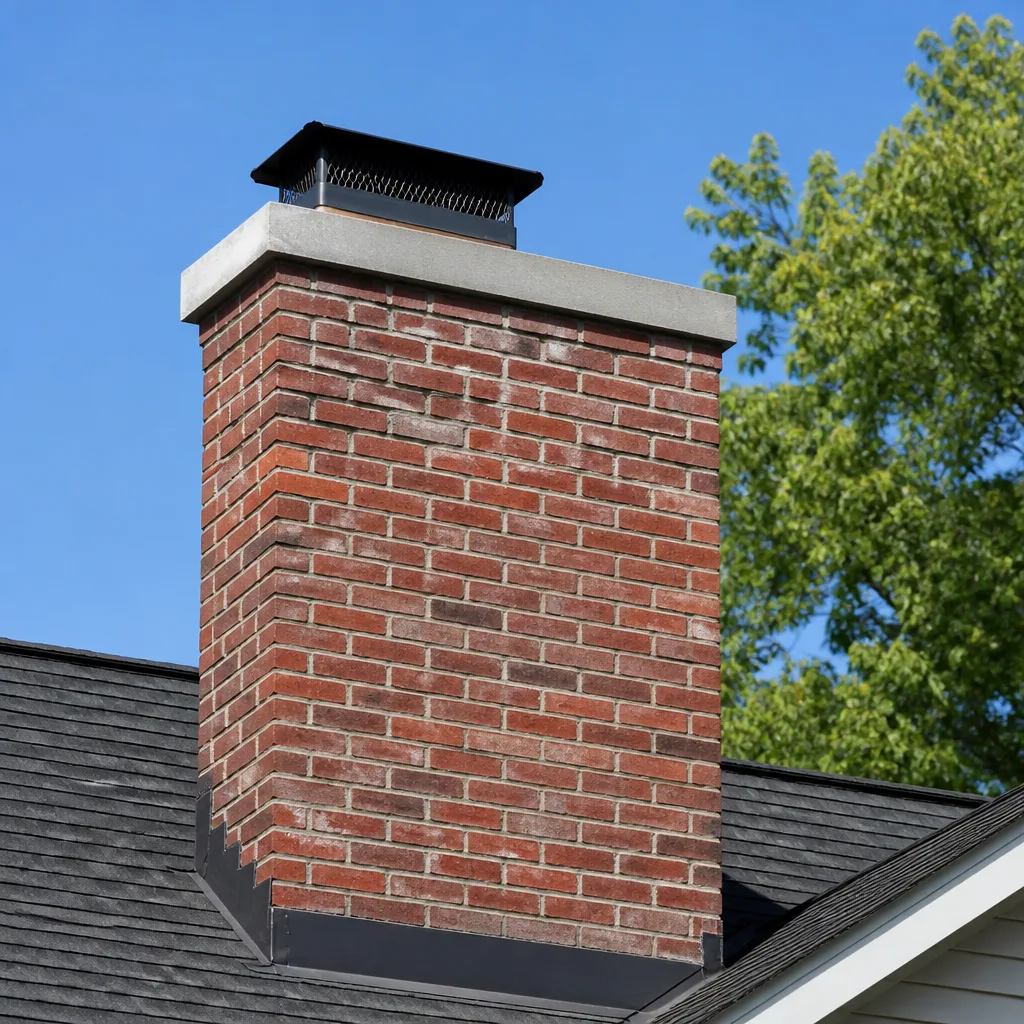 Masonry repair
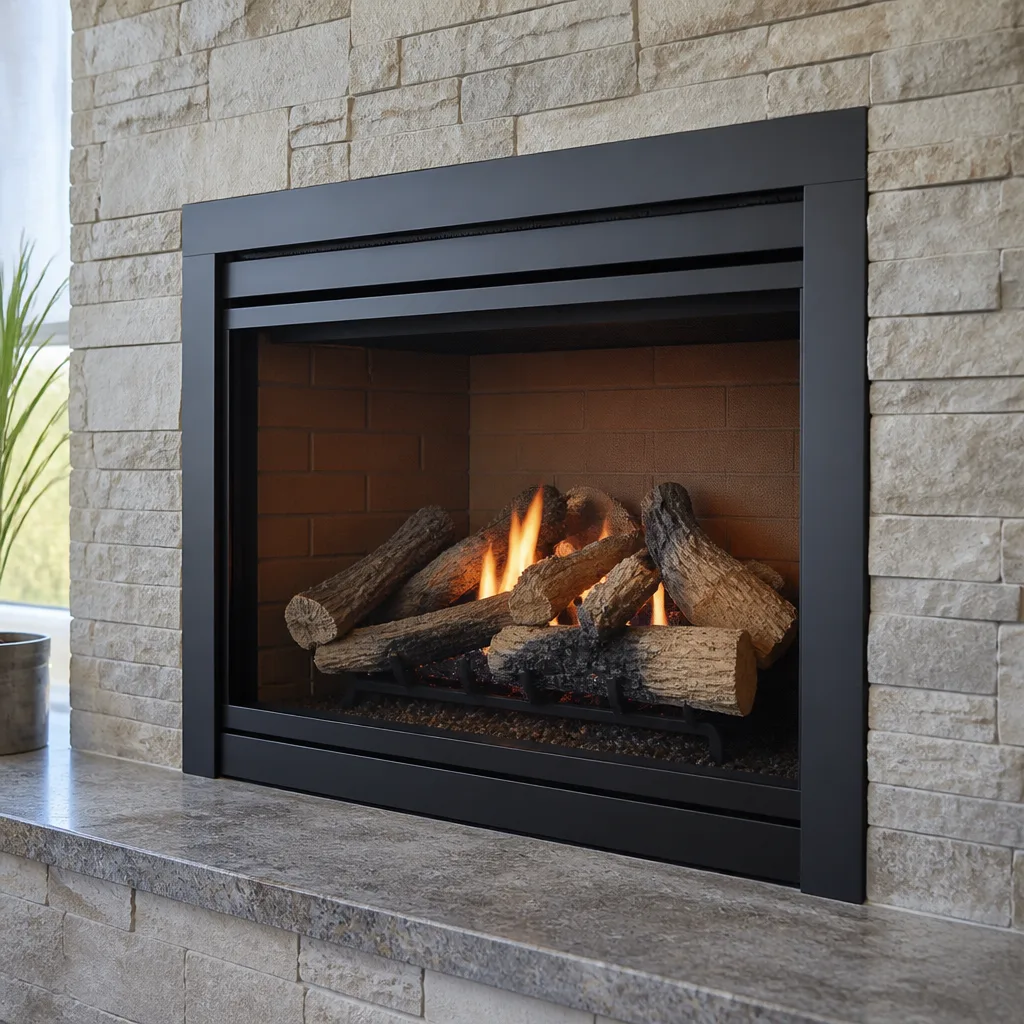 Gas fireplace service
Level 1 sweep and inspection to the NFPA 211 annual standard - flue, crown, cap, and flashing checked and photographed
Chimney sweep logs do not sweep chimneys. They loosen some creosote - which then falls where a brush and vacuum still have to collect it.
The Complete Guide to Chimney Cleaning in Yuma
Most chimney cleaning guides assume you burn wood four months straight. In Yuma, the average homeowner lights a fire fewer than 15 times a year, and that low-use pattern is exactly what makes certain chimney hazards worse, not better. A fire that burns hot and often keeps a flue warm and drives creosote up and out. A fire that burns a handful of evenings a season lets that same creosote cool, condense, and settle into the cold flue tiles where it hardens into the stubborn glazed stage. Add a desert winter that draws pests into warm chimney cavities and a Colorado River valley that swings from bone-dry to muggy and back, and you have a chimney profile no national checklist was written for. This guide covers how Yuma chimneys actually fail, what a real cleaning visit includes, and when repair beats replacement.
Quick Answer
A chimney in Yuma should be swept and inspected at least once a year, even if you only light a few fires each winter, because infrequent burning produces dense, glazed creosote that’s harder to remove than the fluffy soot from steady use. A proper visit combines sweeping, a Level 1 or Level 2 camera inspection, and a written photo report of what we found. If you burn at all, the annual habit is what keeps the flue safe and the masonry sound between seasons.
Styles & brands we work with
- Sweep & inspection
- Caps & crowns
- Flue relining
- Masonry repair
- Gas fireplace service
Table of Contents
- Why Yuma’s Climate Changes the Chimney Equation
- The Three Stages of Creosote and Why Low-Use Chimneys Glaze
- Pest and Debris Intrusion: The Blockage Risk Most Guides Skip
- How Humidity Swings Affect Mortar and Liner Integrity
- What a Yuma-Specific Cleaning Visit Actually Includes
- NFPA 211 Inspection Levels: Which One You Need
- Repair-First Thinking: Resurfacing vs. Relining vs. Replacing
- Frequently Asked Questions
Why Yuma’s Climate Changes the Chimney Equation
Four months of steady burning keeps a chimney in a rhythm. The flue stays warm, draft stays strong, and creosote deposits form slowly and evenly in a form a brush can lift. Yuma doesn’t work that way. Most of the year the fireplace sits cold, and when a fire finally gets lit on a chilly desert evening the flue has to warm from scratch. That cold start is where trouble begins: the smoke cools on its way up, moisture condenses on the tile, and whatever was already clinging to the walls gets a fresh coat to bake onto.
Then there’s the material being burned. In Yuma, a lot of firewood has been sitting outside in the sun for months, and it dries hard on the surface while staying damp inside. That surface-dry, core-damp wood burns unevenly, which makes smoke. Smoke is unburned fuel, and unburned fuel is what becomes creosote.
Hot, dry summer air matters too. Masonry expands and contracts through the long warm season, and any hairline crack at a mortar joint has a chance to widen before the next fire season tests it. This is why an inspection in the fall catches things a spring check would have missed, and why we treat the annual visit as a seasonal marker rather than a random appointment. For homeowners across Yuma, the chimney’s real enemy isn’t heavy use. It’s the long idle stretch between fires.
The Three Stages of Creosote and Why Low-Use Chimneys Glaze
Creosote is a catch-all term for what’s left behind when wood smoke cools before it leaves the chimney. It forms in three distinct stages, and the stage you have determines whether a brush is enough or whether you need chemical treatment, resurfacing, or a reline.
- First-degree creosote is a light, dusty soot. It wipes off with a sweep and is the stage you want to stay in.
- Second-degree creosote is a crusty, flaky layer that clings to tile. It stiffens a standard brush and often needs a scraper and a second pass.
- Third-degree creosote is glazed, hard, and shiny like a shellac coating. It’s the fire-risk stage, and a brush alone won’t touch it.
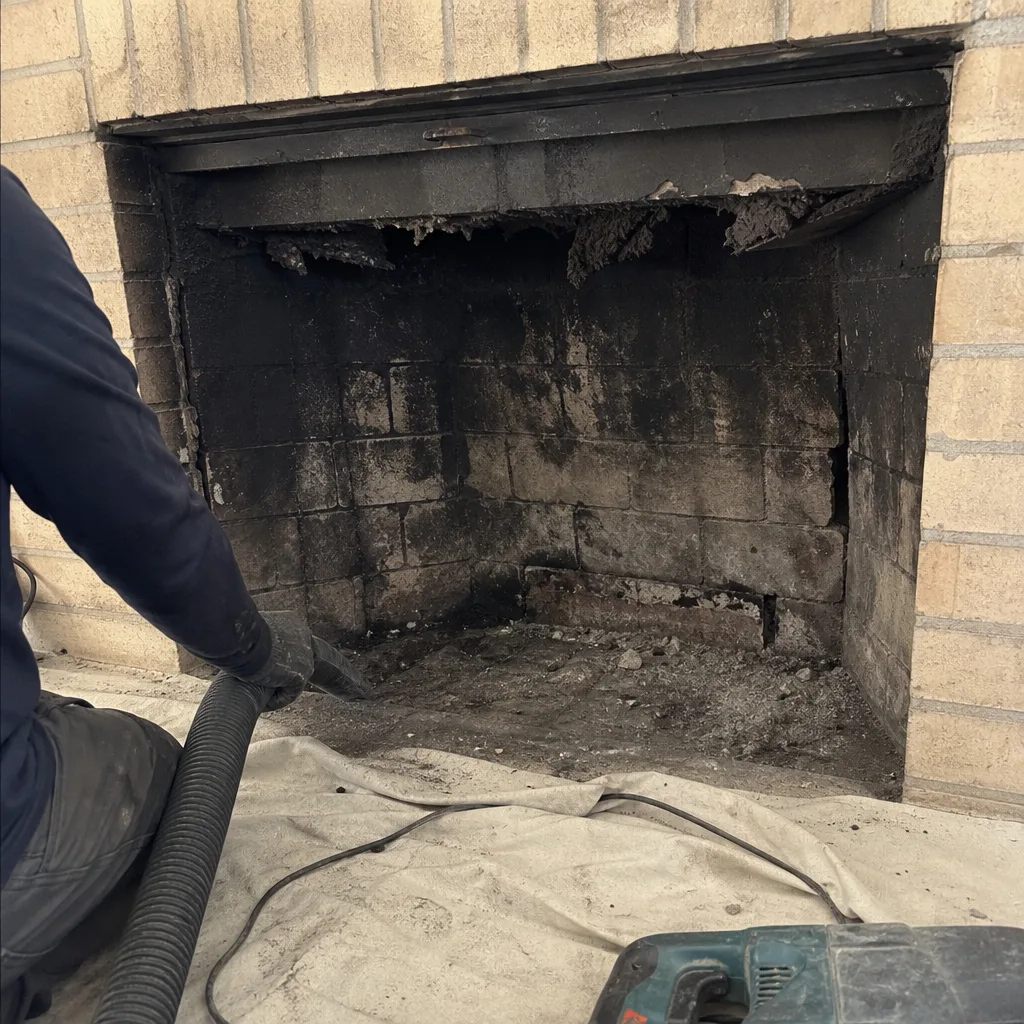
Here’s the counterintuitive part. Hot, frequent fires tend to produce first-degree soot because the flue stays warm and draft carries the vapor out. Low-use patterns do the opposite. The fire starts cold, smolders through a first hour of warm-up, and the vapor lands on cold tile, then dries stiff. Repeat that a dozen times a season and you build glazed bands in cold-flue zones, usually at the top third and around any offset or flue transition. That’s the pattern we see in Yuma more than anywhere with a cold winter.
The fix when creosote has reached the glazed stage isn’t just sweeping. It’s chemical conversion (turning the glazed layer brittle enough to scrape) followed by ceramic resurfacing, which restores a smooth, non-stick surface so the next season’s deposits stay light. We’ve seen this repair-first approach save homeowners from needing a full liner when the underlying tile isn’t actually damaged, only coated.
Pest and Debris Intrusion: The Blockage Risk Most Guides Skip
A cold, empty chimney is a warm, dry home for a bird, squirrel, or raccoon during Yuma’s mild winters. The temperatures never drop far enough to drive them out, and a capped flue without a tight spark arrestor mesh is an open door. The most common intrusion blockers we see are birds, especially when a cap has gone missing, plus leaves and palm fronds that blow in on the desert wind and settle in a ledge or offset. Palm debris is heavier than it looks and it doesn’t break down.
Why does this matter more in a low-use home? Because a blockage you would have found quickly during daily fire-season use can go unnoticed for a whole season. The chimney sits, the nest hardens, and the first cold-night fire backs smoke into the room. That’s when most people realize the chimney is blocked rather than cracked.
A proper visit checks for intrusion before it happens. Caps, covers, and venting components from Gelco and Olympia Chimney close off the openings that let animals and debris in, and because these are stocked for the job, we can usually close a flue the same visit we inspect it rather than ordering a part and rescheduling. That matters in a place like Yuma where the next windstorm isn’t far off. Inspecting after every high-wind event, or at minimum once a year, is the pattern that keeps blockage risk low.
How Humidity Swings Affect Mortar and Liner Integrity
Yuma runs one of the widest humidity swings of any chimney market in the country. Summer air is dry enough to crack skin, and winter rain events can push moisture into masonry that’s spent months dried out. That cycle, wet to dry, wet to dry, is the quiet killer of mortar joints. Water gets into the joint, the brick expands slightly, and when it dries the joint shows a fine crack. Repeat across a few years and the crack becomes a path for the next rain, and for the corrosive acids in flue gas once you do burn.
Inside the flue, the same swing works on the tile. A liner with a small crack doesn’t fail immediately. It opens over the seasons, and by the time an inspection reveals it, the masonry behind the tile may have started to deteriorate. That’s why we inspect the mortar joints and the flue liner together, and why a camera inspection matters more in this climate than in a steady cold one. Cracks you can’t see from the firebox are where the real problems hide.
Two things slow this cycle down. A properly fitted cap keeps rain out of the flue throat, and ceramic resurfacing gives a cracked but structurally sound tile a fresh, water-resistant interior face. A chimney that lives in Yuma and is left open to the weather ages faster than one in a milder, more constant climate, even with almost no use.
What a Yuma-Specific Cleaning Visit Actually Includes
A generic national sweep and a Yuma-appropriate cleaning are not the same visit. The difference is what gets checked while the flue is open. Here’s what a proper cleaning includes.
- A pre-sweep check of the firebox and damper. We check for debris at the damper before touching a brush, so nothing gets pushed down into the room.
- A full brush sweep, top to bottom. A standard brush handles first-degree soot. If it hits glazed bands, we switch to a poly scraper and a chemical conversion stage.
- A pest and debris inspection of the crown and cap area. Confirming the cap is intact and the mesh is clear, and noting anything that lets animals or palm debris in.
- A camera inspection of the flue. A small camera captures the liner’s full length so we can see cracks, gaps, and offset transitions that can’t be viewed from below.
- A mortar and crown check. Along with visibility to the outside masonry, so the humidity-cycle damage gets caught before it becomes structural.
- A photo report of the findings. Documented evidence of exactly what’s in your chimney, so nothing gets recommended that you can’t see for yourself.
The last point matters most for the customer’s hesitation. Most people aren’t afraid of the sweeping bill. They’re afraid of being told they need thousands in liner work they can’t verify. Our whole approach is built around camera evidence, so you’re making decisions on what’s visible, not on what someone says. And where the chimney can safely wait, we tell you that too. Sweeping, repair, and inspection in one visit also means nobody has to schedule a second contractor to follow up on what the first one found.
NFPA 211 Inspection Levels: Which One You Need
Not every chimney needs the same level of inspection. The standard framework comes from NFPA 211, and the three levels match three different situations. Getting the level right is what keeps a visit proportionate to the home, and what gets you a real answer when something’s wrong.
Level 1 is the routine check. It covers the readily accessible parts of the chimney and connecting flue, and it’s what a homeowner who burns regularly and hasn’t changed the system should get every year. For a low-use Yuma home with an intact flue and no known problem, Level 1 plus a camera check of the visible flue is usually the right match. It’s the baseline, and honestly it’s the level most homes here need.
Level 2 is the detailed inspection. It adds a camera inspection of the full flue length and covers the chimney’s accessible parts, and it’s the right level when anything about the system has changed or when a problem is suspected. In Yuma, that includes:
- A change in fuel, appliance, or chimney type.
- A flue the size of the home or the layout makes hard to see from the firebox.
- An offset or transition in the flue that Level 1 can’t fully view.
- Any sign of a liner crack, water intrusion, or pest activity.
- A newly purchased home, when nobody knows the chimney’s history.
Level 3 is the investigative inspection, which opens concealed parts of the chimney when a serious problem is suspected and can’t be seen otherwise. It’s rarely on the table for a home that’s burned almost nothing, but it’s the right call when a Level 2 finds something that can’t be diagnosed any other way.
Our default for a Yuma home that burns a few times a year is to inspect the accessible flue thoroughly, then recommend a Level 2 camera inspection if what we see suggests the interior needs a closer look. If you’re selling or buying, a Level 2 is the honest baseline.
Repair-First Thinking: Resurfacing vs. Relining vs. Replacing
The chimney industry has a habit of jumping straight from “there’s a crack” to “you need a liner.” That’s not always wrong, but it’s not always right either, and the order matters. Restore first, replace only if the structure won’t support a restore. Here’s how the decision usually breaks down.
Resurfacing is the right path for a tile flue with surface damage: spalling brick, cracked mortar joints that aren’t structural, and a liner face that’s rough and water-damaged but still solid. A ceramic resurfacing product like HeatShield is applied to the flue interior and cured to form a smooth, non-stick new face. It restores the liner without a full replacement, and in a Yuma home where the glazed creosote and the humidity swings have worked on the tile face, it’s often the fix that buys the most years per dollar.
Relining is the right path when the existing tile has genuine structural gaps, or when the flue configuration won’t carry the appliance’s draft cleanly. This is where flexible liner systems like DuraFlex matter. Older, offset, or non-standard flues that a rigid liner can’t reach through a bend get a flexible liner instead, which is the whole reason it exists. In a place with chimneys built in tighter, more varied styles, that flexibility is what stands between a full masonry rebuild and a liner install.
Replacing is the last resort, and it’s the right call only when the flue and its masonry can’t support either path. The honest middle ground is to inspect carefully, resurface where that holds, reline where it doesn’t, and be straight with you when the chimney can safely wait another season. That’s the repair-first philosophy, and it’s the one we’d want applied to our own home. If you want to understand what a repair might involve, our chimney repair page walks through the options in more detail, and a chimney sweep visit is where most of these decisions start.
Common Mistakes to Avoid
- Skipping the annual sweep because you barely burn. Low use is the reason to clean, not the excuse to skip it. Glazed creosote builds in cold flues, and the annual visit is what keeps it in the easy-to-remove stage.
- Using hardware-store brushes on a glazed flue. A standard brush scrapes soot and flaky crust, but it won’t touch third-degree glaze. Forcing it can damage fragile tile without clearing the risk, which is why a proper chemical stage exists.
- Leaving the cap off after a storm. A missing or damaged cap is an open door for birds, squirrels, and palm debris during Yuma’s mild winters. Inspect the cap after high-wind events, not just once a year.
- Burning wet or green wood because it’s what’s on hand. In this dry climate the outside of a split can look ready while the inside stays damp. Moist wood makes smoke, smoke makes creosote, and the extra step of seasoning the wood pays for itself.
- Confusing a “clean” firebox with a clean flue. The firebox can look spotless while the flue above the damper is crusted. Only a camera inspection tells you what’s actually happening up top.
- Going straight to a full reline without checking the tile. A cracked but solid tile can often be resurfaced instead of replaced. Ask for the camera proof before agreeing to a liner.
- Letting one general contractor handle the chimney. HVAC and handyman companies treat the chimney as an afterthought. Chimney specialists use industry-grade materials for a reason: the work has to last a season, not just survive until the next rain.
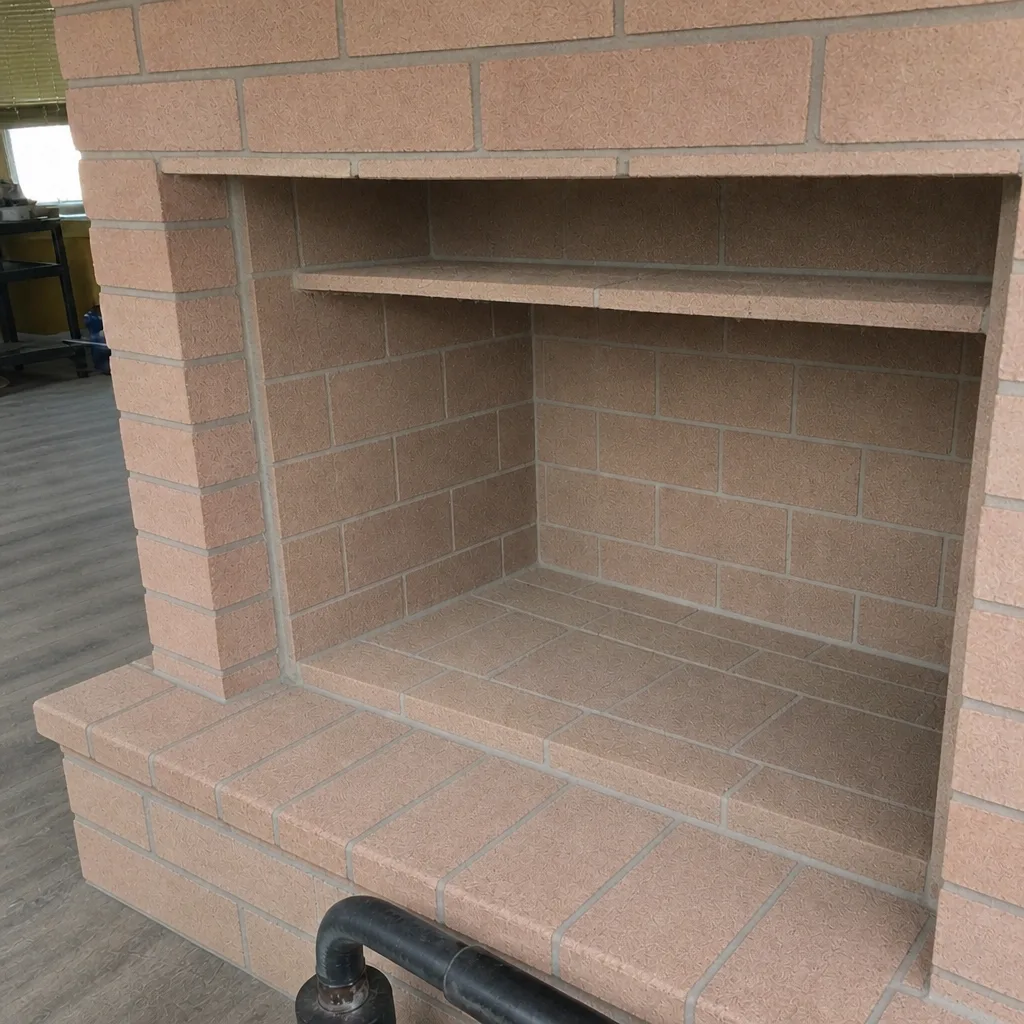
See the difference
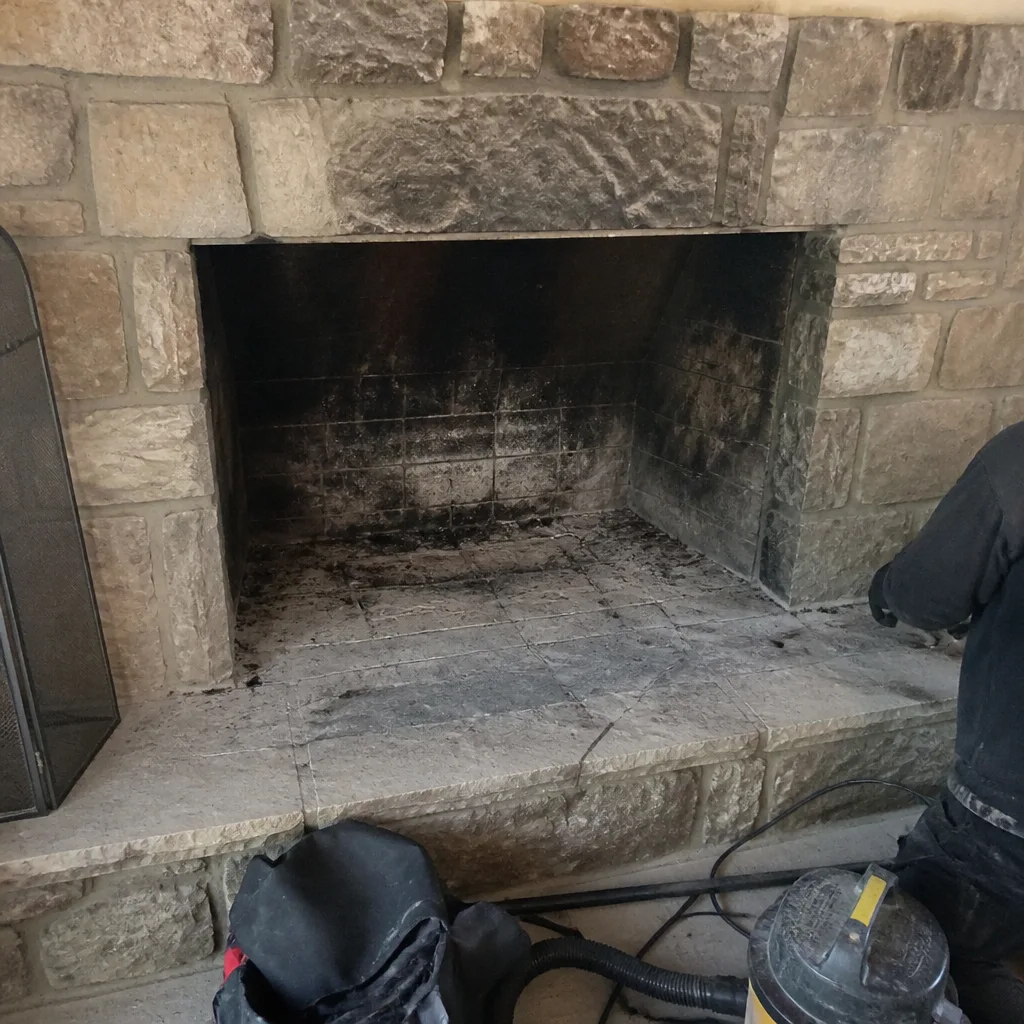 Before
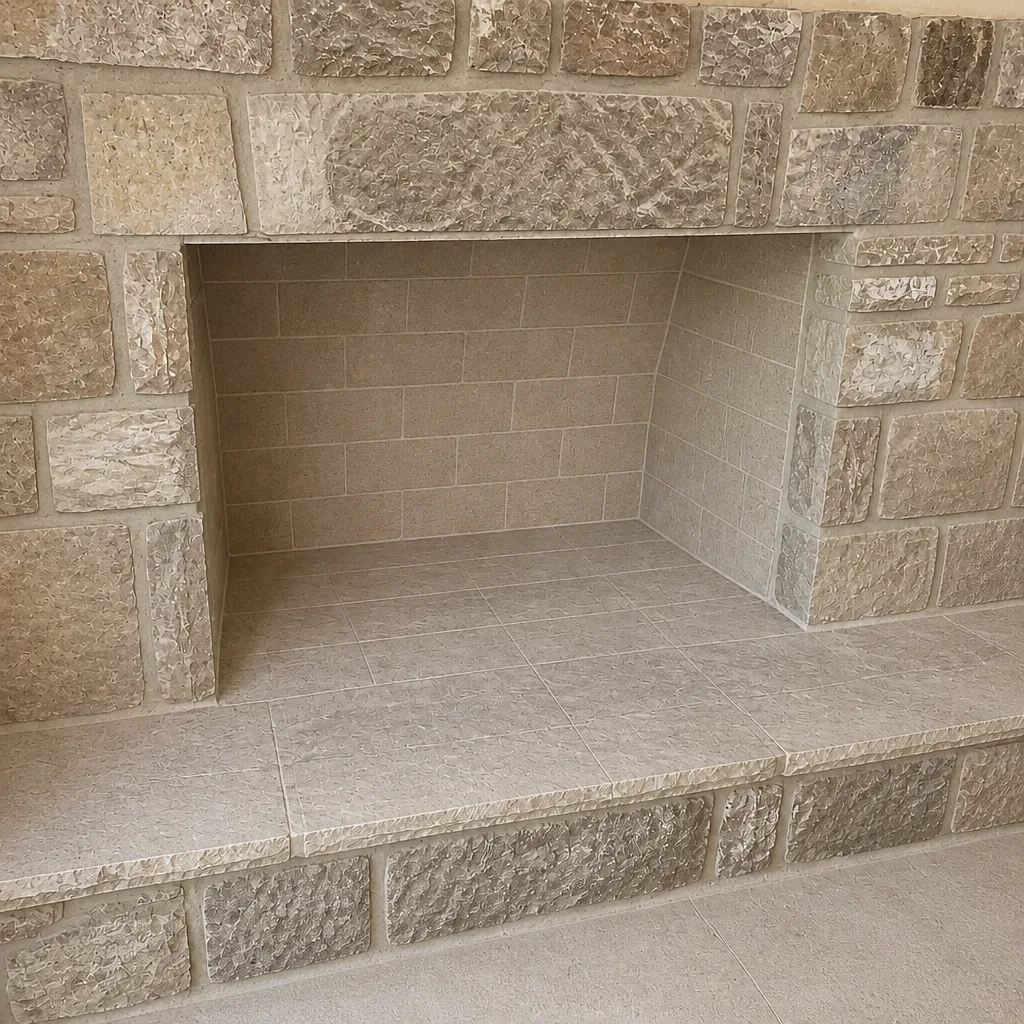 After
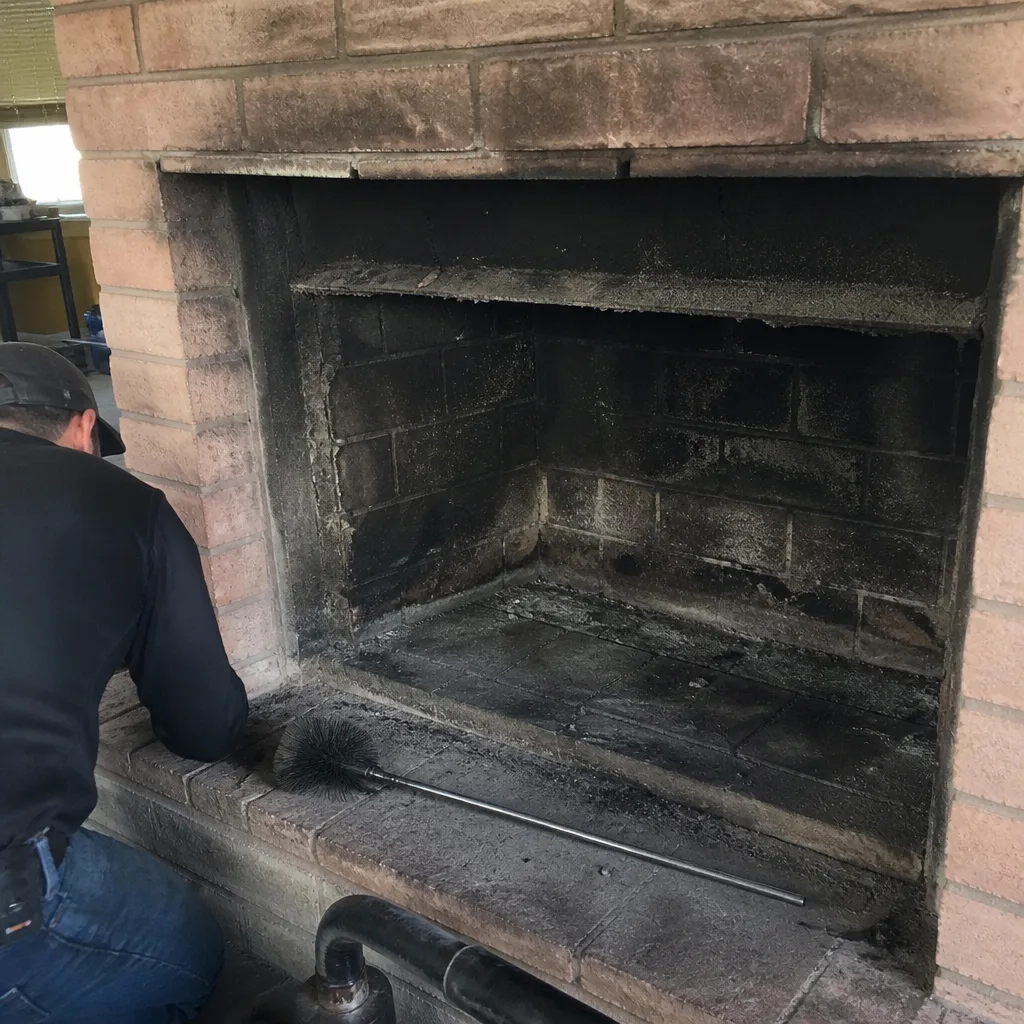 Before
 After
 Before
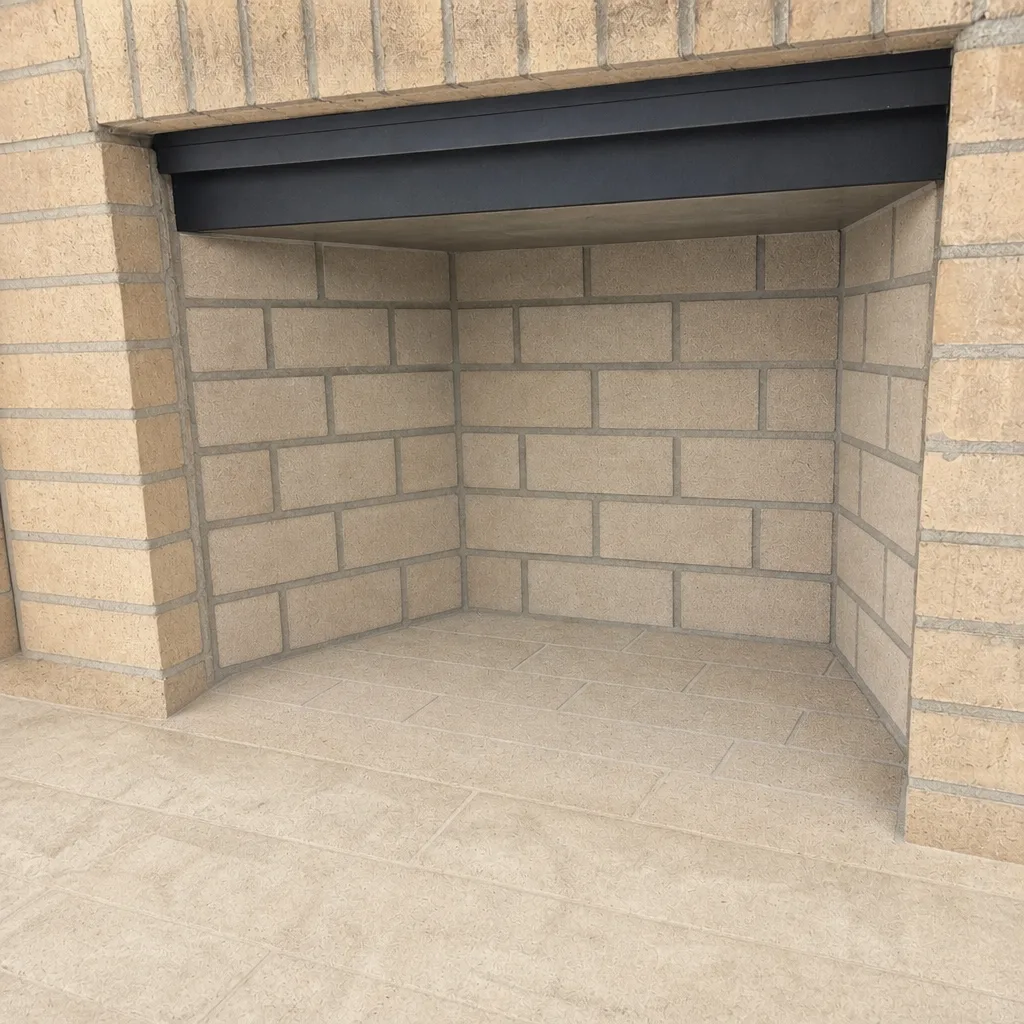 After
When to Call a Professional
Some jobs are safe to leave to the annual visit. Others want a call sooner. Contact a professional if you notice smoke spilling back into the room when a fire is lit, if you smell a strong smoky or tar-like odor inside the home, if you see cracked or missing tiles in the firebox, if the crown or cap is visibly damaged, or if it’s been more than a year since the chimney was cleaned and inspected, regardless of how little you’ve burned. If a flue was left uncapped through a windstorm, or the home is new to you and its chimney history is unknown, a Level 2 inspection is the right starting point. Anything involving an actual fire, persistent creosote smell, or visible structural damage should be checked before the next fire, not after it. Chimney Sweep Yuma offers free estimates in Yuma. Call (866) 389-5011.
Frequently Asked Questions
A typical chimney sweep in Yuma is an estimate-based job rather than a fixed national price, because the condition of the flue drives what’s needed. A standard sweep on a clean, accessible flue costs less than one that requires a chemical stage for glazed creosote or a camera inspection of a hard-to-reach offset. You’ll get a written estimate before any work starts, and the final price is set by that estimate. Call (866) 389-5011 for an exact quote. Estimates are free.
Yes, and low-use homes often need it more, not less. A flue that stays cold between fires builds glazed creosote, and a cold, capped flue is more exposed to pest and debris intrusion during the mild Yuma winters. Annual cleaning in this climate isn’t about volume of use; it’s about the pattern of use.
Once a year is the baseline recommendation for any chimney that’s been used at all, and that holds even for a Yuma home that lights a fire a dozen times a winter. If the flue has glazed creosote, an offset configuration, or a past liner issue, the visit may include a camera inspection at the same time. Call (866) 389-5011 to book an annual sweep and get the inspection on the same visit.
Creosote keeps building in the colder flue zones where your fires mostly deposit it, and it can reach the glazed, hard-to-clear stage without warning. Left long enough, it becomes a genuine fire risk and can also leave the liner and mortar more exposed to the humidity swings this valley is known for. The point isn’t to alarm you. It’s that the cheap-feeling annual habit is what keeps the expensive repair off the table. Call (866) 389-5011 for a free estimate.
No. A Level 1 inspection is appropriate for a regularly used chimney with no known problem and nothing changing about the system. Level 2, with a camera inspection of the full flue, is worth it when the system has changed, the flue has an offset or transition that can’t be seen from the firebox, you’ve bought a home with unknown history, or you’ve seen signs like crack, water, or pest intrusion. In practice, most Yuma homes start with a Level 1, and we step up to a Level 2 when the findings call for it.
Often yes. When the tile has surface damage like spalling or cracked mortar joints but the structure is sound, a ceramic resurfacing product can restore the flue interior and avoid a full reline. If the damage runs deeper, a flexible liner may be the right answer instead. We won’t recommend one over the other until the camera shows what’s actually there.
The Bottom Line
Yuma chimneys don’t fail the way the national guides say they do. Low-use patterns, desert humidity swings, and a mild winter that invites pests all work on a flue that sits cold most of the year. The fix isn’t complicated: clean and inspect once a season, respect the difference between glazed creosote and light soot, and make decisions on camera evidence rather than guesses. A repair-first approach, using real industry-grade materials and the right NFPA inspection level, is what lets a Yuma chimney last the next season and the one after. If it’s been a while, start with a sweep. You’ll know what you’re working with after that. For a free estimate, call (866) 389-5011. We answer 24/7, with fast dispatch from 7am to 7pm, Sunday through Friday. You can also reach our main team at Chimney Sweep Yuma.
Written by the team at Chimney Sweep Yuma.