
Last updated November 16, 2026
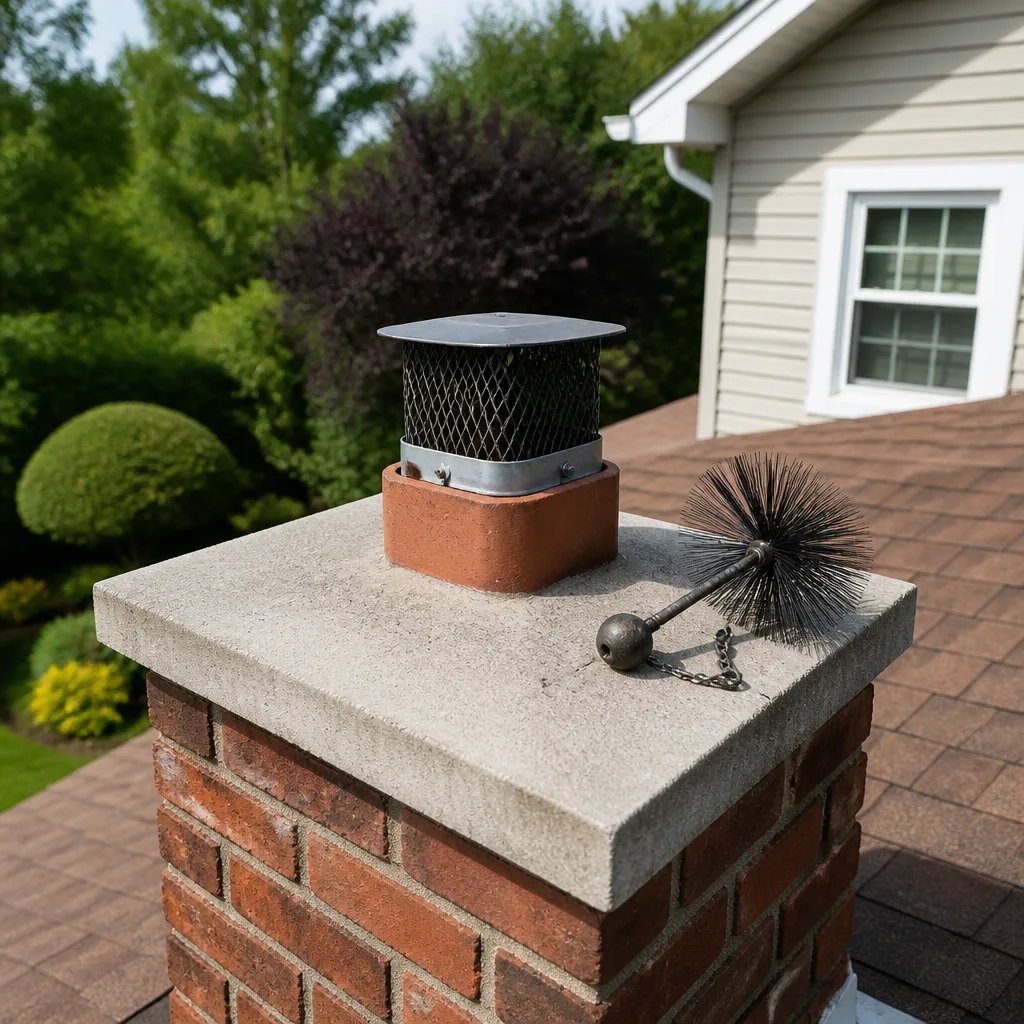 Sweep & inspection
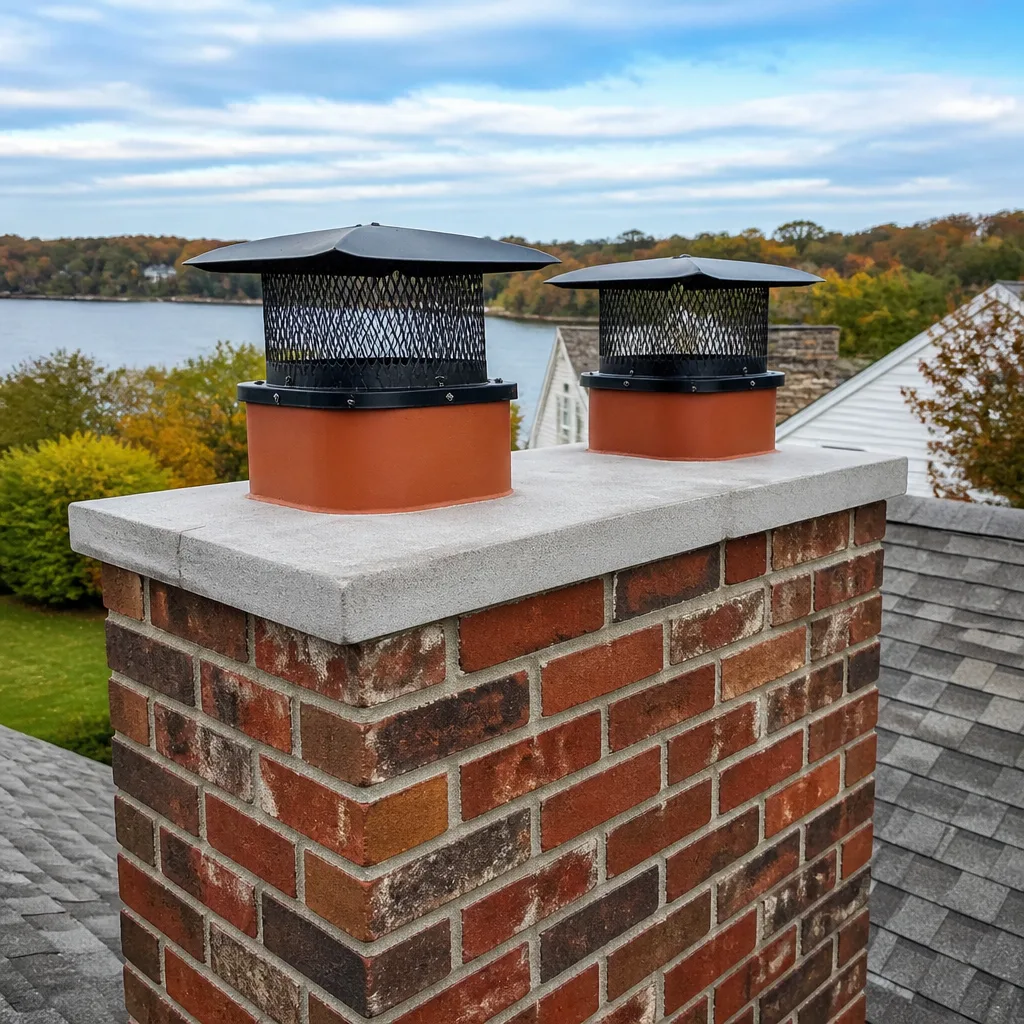 Caps & crowns
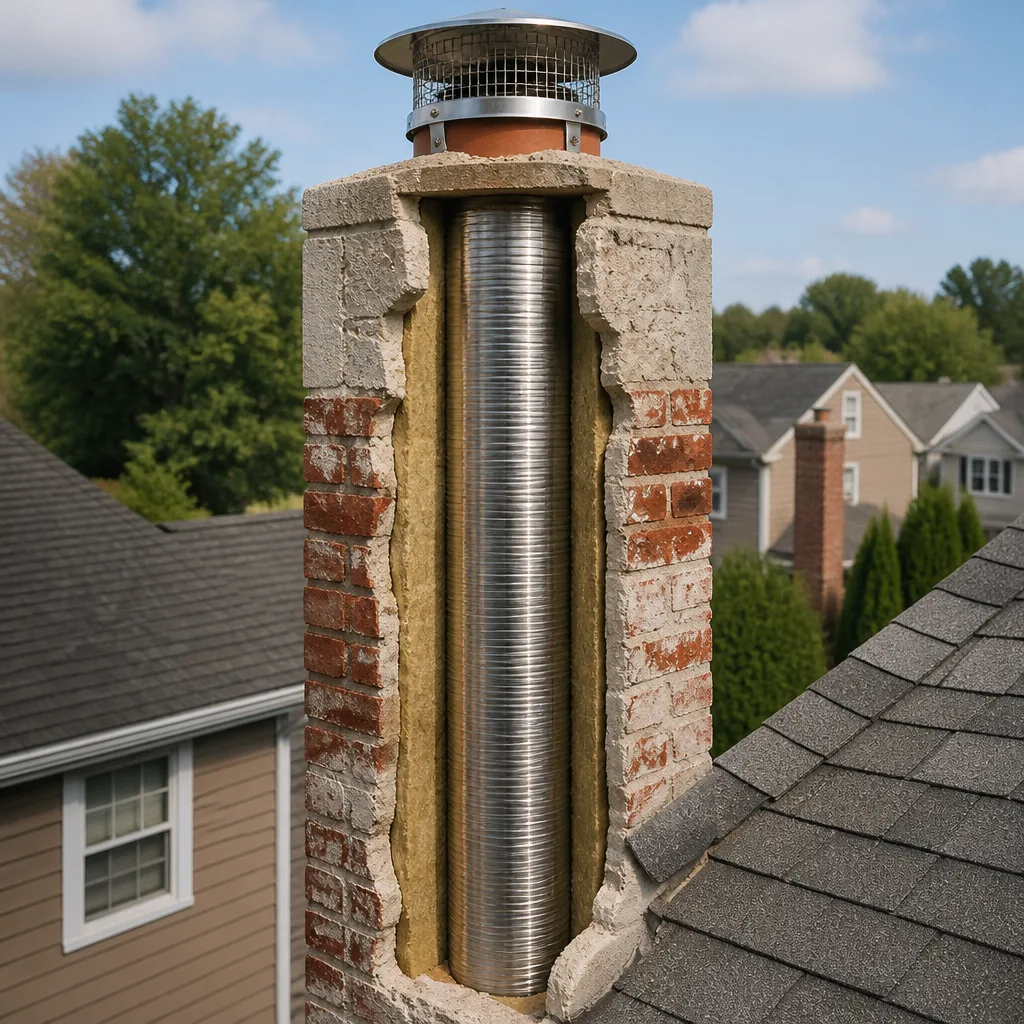 Flue relining
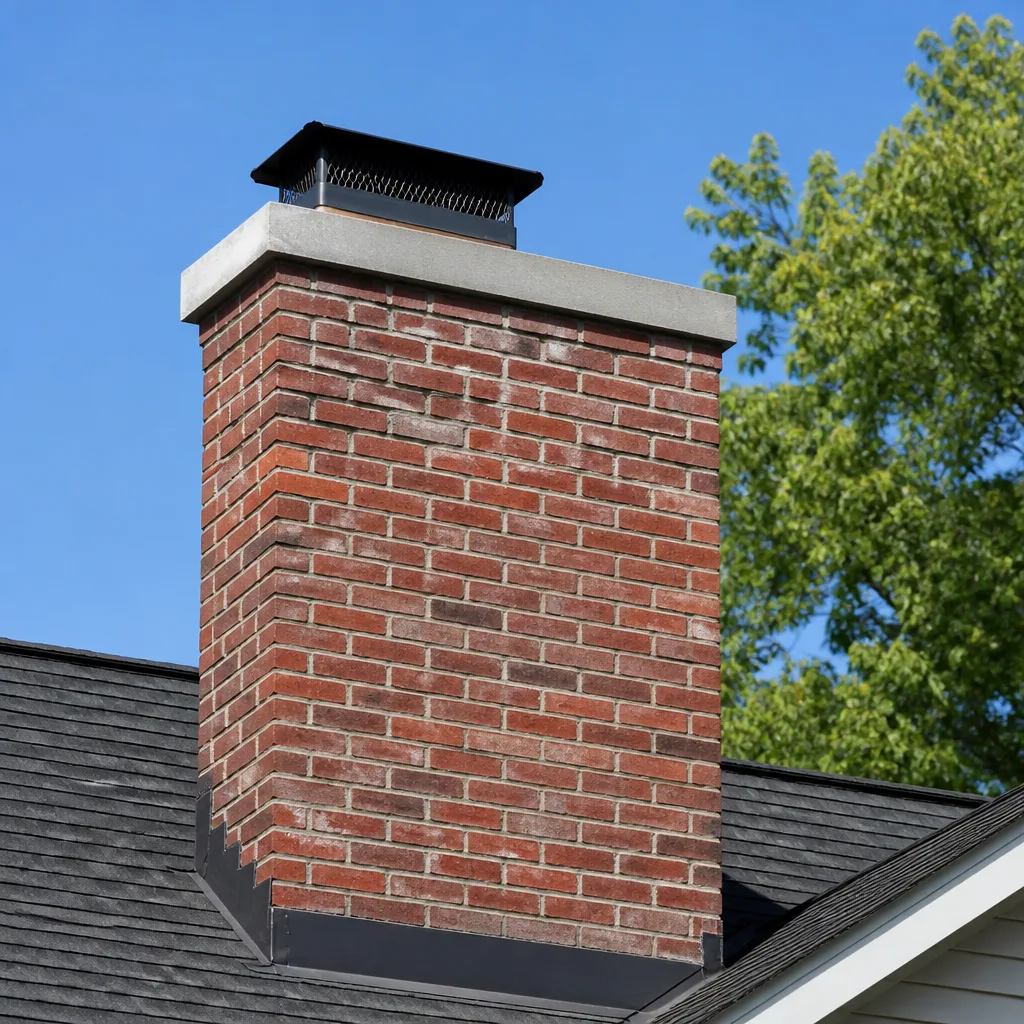 Masonry repair
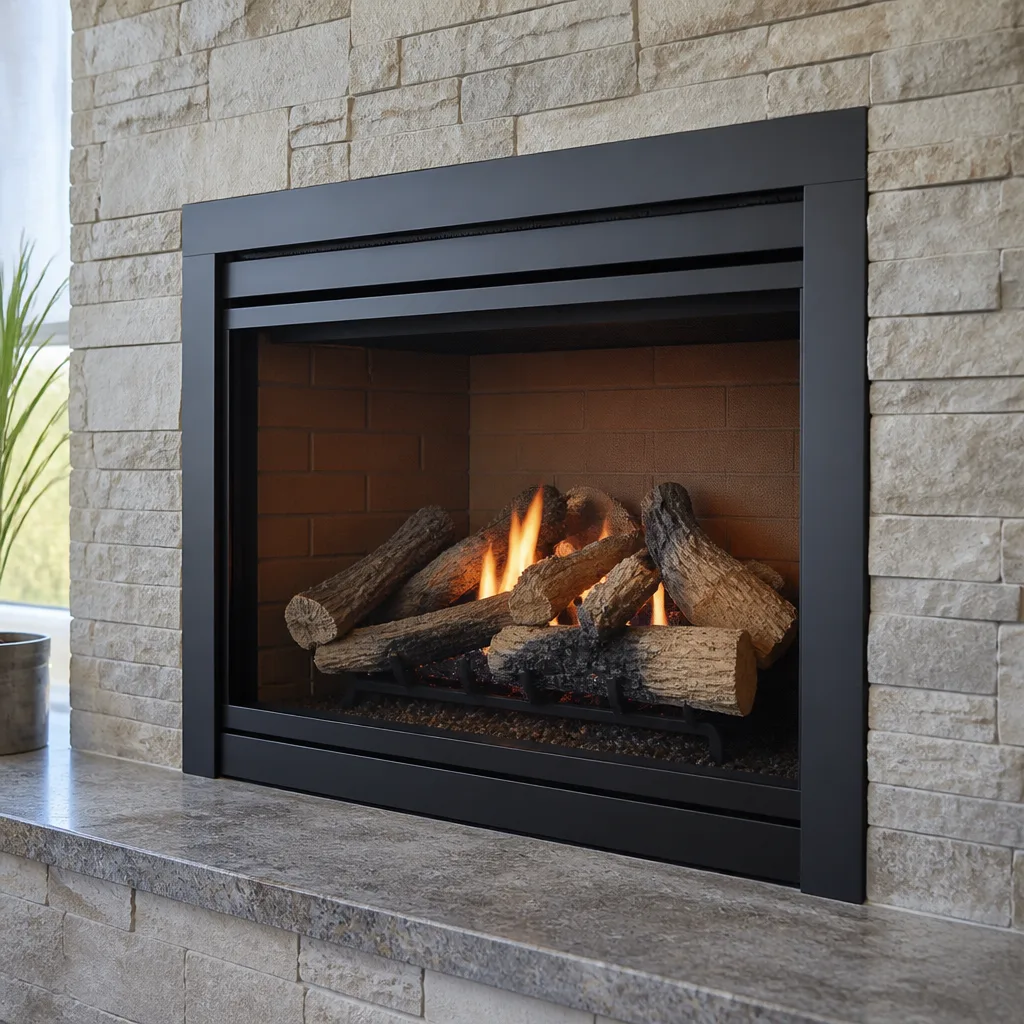 Gas fireplace service
Level 1 sweep and inspection to the NFPA 211 annual standard - flue, crown, cap, and flashing checked and photographed
Chimney sweep logs do not sweep chimneys. They loosen some creosote - which then falls where a brush and vacuum still have to collect it.
Chimney Sweep Maintenance Schedule: What to Do and When
Most chimney advice you’ll read online was written for Minnesota. It assumes a house that burns wood from October to April, a flue that sees hundreds of fires a season, and a spring thaw that forces the issue. Yuma isn’t that. Here, a working fireplace might see fifteen or twenty fires across a short winter, and the real risk to your chimney often arrives in the summer, when nothing is burning at all. That mismatch is why the standard “annual sweep” line is technically true and practically useless. What you actually need is a schedule built around Yuma’s burning season, the monsoon, and the long idle months in between. This guide gives you that calendar, month by month, plus the signs you can check yourself and the moments that genuinely require a specialist. We’ll cover timing, self-inspection, what to do with a chimney that’s sat unused for years, and why the post-season cap check matters more than most homeowners realize.
Quick Answer
The best time to book a chimney sweep and inspection in Yuma is late September to mid-October, right before the burning season begins, so the flue is clean and verified for the fires ahead. During the burning season, check your chimney monthly for creosote buildup and draft problems. After the season ends, get a cap inspection to keep birds, rodents, and monsoon debris out of an idle flue. If your chimney has sat unused for two or more years, treat the first inspection as essential rather than optional.
Styles & brands we work with
- Sweep & inspection
- Caps & crowns
- Flue relining
- Masonry repair
- Gas fireplace service
Table of Contents
- Why Yuma Needs Its Own Chimney Calendar
- The Pre-Season Window: Late September to Mid-October
- Why Summer Off-Season Deals Miss the Point
- What to Check Yourself Each Month During Burning Season
- How Fewer Burns Changes Your Service Interval
- Handling a Chimney That Sat Unused for Two Years or More
- The Post-Season Task: Capping Inspection
- What Actually Happens During a Professional Sweep
Why Yuma Needs Its Own Chimney Calendar
Chimney maintenance guidelines are usually written around cold-climate assumptions: heavy wood consumption, long heating seasons, and freeze-driven wear. Yuma runs on a different rhythm. Winters are mild, the burning season is short, and the months when your chimney is most vulnerable to intrusion and debris are the hot ones, not the cold ones.
That changes three things about how you schedule service.
- Cleaning frequency. A household that burns a couple dozen fires a season accumulates creosote more slowly than one burning nightly for six months. But slow isn’t none, and the creosote that does form still needs removing before the next season.
- Inspection timing. Because the flue sits idle for most of the year, the inspection matters as much as the cleaning. It’s the moment you find out what moved in, cracked, or pulled loose while nothing was burning.
- The nesting window. Desert wildlife looks for sheltered spots to nest through the hot months. An uncapped flue is exactly that spot. Get your cap checked after the season ends and you close the door on most of that problem before it starts.
So the schedule below isn’t a generic national calendar with Yuma pasted on top. It’s built around when your fireplace actually runs, when the risks actually peak, and when a technician can give you a useful answer instead of a guess. If you want the full picture of what a professional chimney sweep covers in this climate, that’s worth reading alongside this guide.
The Pre-Season Window: Late September to Mid-October
The single most useful date on your calendar is the pre-season sweep and inspection, booked for late September or the first half of October. Here’s the reasoning, because it’s more than a preference.
By late September, Yuma’s summer heat has broken, the monsoon has passed, and whatever found its way into your flue over the warm months is settled rather than actively moving. A sweep at this point clears out the full accumulation of the off-season plus anything left from last winter. More importantly, an inspection now gives you a clean read on the flue’s condition just before you need it, with enough time to schedule any repair before the first cold night rather than scrambling after it.
Book too early, in August, and you’re inspecting a flue that won’t be used for months. Whatever nests or blows in after that inspection sits there until you light the first fire. Book too late, in November, and you’re competing for appointments with everyone else who just felt the first chill, and any repair the inspection turns up may push your first fire back further than you’d like.
Here’s how to work the pre-season window:
- Book in early September. Aim for an appointment in the last week of September or the first two weeks of October.
- Get the sweep and inspection together. A cleaning without an inspection tells you the flue is empty, not whether it’s safe. One visit, complete picture.
- Ask for the findings in writing. A photo report of the flue interior means you can see the condition for yourself, not just take someone’s word for it.
- Schedule any repair immediately if it’s needed. That gives you breathing room before the season starts instead of a rushed job the week you want to burn.
Homeowners in the older neighborhoods around downtown Yuma and along the foothills often find pre-1970s construction with flue configurations that a quick visual check can miss. An inspection that actually looks up the flue, ideally with a camera, is the only way to know. That’s the kind of detail a focused chimney repair evaluation is built to catch before it becomes a problem.
Why Summer Off-Season Deals Miss the Point
Scheduling your chimney sweep in July, when every HVAC-focused company is running promotions, feels efficient. It isn’t. You’re inspecting a flue that won’t be used for four more months, and the results have a shelf life that expires long before you light the first fire.
Think about what happens between a July inspection and a December fire. The hottest weeks of summer pass. The monsoon rolls through, driving wind and rain and, in some cases, debris against the cap and into the flue. Birds and rodents look for a sheltered spot to raise a brood, and an uncapped or damaged flue is a prime candidate. By the time the weather turns, the “clean” flue you had inspected in July may no longer be clean. A July sweep can also miss the accumulated soot and creosote from last season if it wasn’t done right, since summer service is often rushed when it’s a slow-season add-on.
The practical takeaway: a summer appointment isn’t wrong, but it’s early, and it’s the wrong moment for the inspection that matters most. If you already have an annual relationship with a specialist, the late-September window is when their calendar fills for a reason. Homeowners who understand the difference tend to book early and skip the summer promotion entirely, because they’ve figured out that the timing is worth more than a discount.
We’d rather tell you the honest schedule than sell you a summer slot that doesn’t serve you. That’s the difference between a chimney specialist and a generalist who treats a flue as one more line item on a seasonal checklist.
What to Check Yourself Each Month During Burning Season
Between professional visits, you are your chimney’s first line of defense. These monthly checks take a few minutes and catch the things that go wrong between sweeps. None of them involve reaching into the flue or working on any part of the chimney itself. This is observation, not repair.
What to look and listen for:
- Draft and smoke. Does smoke drift back into the room instead of rising cleanly up the flue? A fireplace that drafted fine in December and struggles in January is sending a signal. Persistent backdraft points to a blockage, a draft problem, or a flue that needs attention.
- Smell. A strong, acrid, smoky odor when the fireplace isn’t burning usually means creosote buildup or a draft issue pulling flue gases back into the house. Don’t ignore it.
- Visible creosote at the damper. Shine a light up at the damper and the smoke chamber. Glossy, tar-like deposits are the dangerous kind. Flaky or sooty deposits are more routine but still need sweeping on schedule.
- The firebox and damper. Check that the damper opens and closes fully. Look for cracked or crumbling mortar joints in the firebox brick. These are signs worth a professional look.
- Exterior signs. From outside, check that the cap is still seated, the crown (the top surface around the flue) isn’t cracked, and there’s no visible debris or nesting material at the top.
- The chimney itself. Look for loose bricks, crumbling mortar, or staining on the exterior. Any of these means moisture is getting in somewhere.
One safety caveat. Never reach into the flue, never try to dislodge a blockage from above, and never attempt to remove heavy creosote yourself. The hazards here are real: creosote is highly flammable, and flue blockages can push carbon monoxide back into the living space. If any of these checks turns up something that worries you, that’s the call to make, not a project to tackle.
How Fewer Burns Changes Your Service Interval
Here’s where Yuma homes legitimately differ from the national advice. Many households here burn fewer than twenty fires across a season. Northern-climate guidance assumes far heavier use, and that guidance is usually expressed as a cleaning interval tied to volume of wood burned, not to the calendar. If you’re burning lightly, does that mean you can skip the annual sweep?
The honest answer is: the cleaning interval can stretch, but the inspection interval shouldn’t. This is the distinction most sweep advice glosses over.
Creosote forms in proportion to how much you burn and how completely it burns. A light-burning Yuma household that uses well-seasoned wood and keeps fires hot will build creosote more slowly than a heavy northern user. That’s a real difference, and a specialist will factor it in. What doesn’t stretch is the need to inspect the flue after the long idle season. A flue that sat empty for eight months may have cracked tiles, a dislodged cap, or nesting material that has nothing to do with how many fires you had. Those are condition issues, not volume issues, and they don’t care how light your use was.
So the practical interval for a light-use Yuma home often looks like this: a professional sweep and inspection each pre-season, with the sweep’s depth calibrated to your actual use. A home that burned ten fires gets a different cleaning than one that burned a hundred. The inspection, though, is the constant. If a specialist finds your flue in excellent shape with minimal creosote, they’ll tell you so, and that documented answer is worth more than skipping the visit entirely. When repair or relining does come up, the work should use professional-grade materials, which is why we work with recognized lines like DuraFlex flexible liners for offset and older flues, and HeatShield ceramic resurfacing to restore a flue before defaulting to full replacement.
Handling a Chimney That Sat Unused for Two Years or More
Yuma has a lot of homes that sit empty for parts of the year, and a lot of chimneys that haven’t seen a fire in two, three, or more seasons. Maybe the house was a vacation property, or a snowbird’s winter home, or simply a fireplace the current owners never used. A chimney that’s sat idle for years needs a different approach than a routine pre-season visit.
The first thing to understand: idle time is not the same as clean time. A flue that hasn’t burned has had years to collect nesting material, leaf litter, and monsoon debris. The cap, if it’s missing or damaged, let all of it in. Seals can dry and deteriorate. Masonry and flue tiles can develop hairline cracks from thermal cycling and moisture. None of this shows up in how the fireplace looks from the living room.
Treat your first visit on an idle chimney as an inspection-first job:
- Schedule a full inspection before any fire. This is mandatory, not optional. You’re establishing a baseline for a flue whose condition is unknown.
- Ask about a camera inspection. On a flue that’s been idle for years, a camera view of the interior is the only way to see cracking, spalling, or debris that a visual check from below would miss.
- Clear any obstruction completely. Nesting material, a dislodged cap, or a bird’s nest needs to come out before you light a match, because a blocked flue vents carbon monoxide back into the house.
- Address the cap. If the chimney lost its cap during the idle years, replacing it is part of the first visit, not an afterthought. It’s what prevents the next round of intrusion.
- Resurface or reline if the inspection finds deterioration. Spalling flue tiles and cracked mortar joints are common after long idle periods. Ceramic resurfacing can often restore a flue without a full liner replacement, and flexible liner systems can handle older, offset flues that rigid liners can’t navigate.
If you’re not sure when your Yuma chimney last saw service, the safest assumption is that it hasn’t. An inspection gives you documented proof of condition, and that’s a much better starting point than a guess.
The Post-Season Task: Capping Inspection
If there’s one task most homeowners skip and shouldn’t, it’s the post-season cap check. This is the single most effective step you can take to prevent the majority of summer wildlife intrusions and debris problems, and it takes minutes to get right.
Here’s the logic. Through the burning season, your chimney is in use, and the cap is doing its job. When the season ends, the flue goes quiet, and the cap is all that stands between the interior of your chimney and everything that wants to get in over the hot months. Birds, rodents, and insects look for exactly this kind of sheltered, protected spot. Monsoon winds drive debris against the top of the chimney. A crown that cracks lets rainwater into the masonry, where it does slow damage over the summer.
So the post-season task is straightforward: at the end of the burning season, have the cap and crown inspected, and repair or replace anything that’s loose, cracked, or missing. That inspection should also confirm the flue is clean enough to sit idle without trapping creosote and moisture together, which can degrade the liner over the summer. If the cap needs replacing, having the right part on hand matters, which is why we keep quality venting and cap components from lines like Gelco and Copperfield available so the fix happens in one visit rather than two.
The payoff is simple: a chimney that’s properly capped going into the off-season is a chimney that comes out of the off-season in roughly the condition you left it. It also means your pre-season visit in late September has less to undo. The two visits work as a pair: one to close up the chimney for summer, one to open it back up for the season.
What Actually Happens During a Professional Sweep
If you’ve never had a professional sweep, knowing what to expect makes the appointment easier to plan and helps you ask better questions. Here’s the general shape of a proper visit, so you know what a real one looks like versus a quick brush-and-go.
- Protection first. Drop cloths and floor protection go down before any work starts, and the work area is sealed to keep soot out of the room.
- The sweep itself. The flue is cleaned from the firebox with brushes sized to the flue. Creosote and soot come out, and the firebox and smoke chamber are cleaned down as well.
- The inspection. This is the part that matters most. The flue, firebox, damper, smoke chamber, cap, and crown are all checked. On older or larger homes, a camera inspection of the flue interior gives a clear view of the condition all the way up.
- Documentation. You should leave with a clear picture of what was found, ideally with photos. If something needs attention, you should know what, why, and whether it can wait.
- The report and options. If creosote is heavy, the flue needs repair, or the cap needs replacement, you get a straight explanation of the options and what they cost before anything is scheduled.
Full-service scope is the difference between one visit and a scavenger hunt. A specialist who sweeps, inspects, and repairs can address what the inspection finds without sending you to a second contractor, and can source the right components in a single trip. We handle all three core disciplines here, which means one visit gives you the complete picture and a path forward. If you’re in Yuma and want that visit done right, the Chimney Sweep Yuma approach is built on exactly that focus. Our technicians have up to 13 years of experience, and we work with the same professional-grade product lines professional chimney specialists specify industry-wide.
Common Mistakes to Avoid
- Booking the sweep in July to chase a deal. You’re inspecting a flue that won’t be used for months, and everything that settles into it after the inspection goes unaddressed until the first cold night. The late-September window buys you a clean read right before you need it.
- Skipping the inspection because the fire “still works.” A fireplace that draws fine can still have cracked flue tiles or heavy creosote you can’t see. The fire working today tells you nothing about the creosote that could catch tomorrow.
- Assuming a light-burn year means you can skip service entirely. Fewer fires may mean less creosote, but the off-season intrusion and moisture issues don’t care how much you burned. The inspection is the constant.
- Leaving the flue uncapped through the summer. This is the mistake that causes the bulk of wildlife intruders and monsoon debris. A missing cap is a one-visit fix that prevents a season of problems.
- Trusting a visual check from below on an older or idle flue. You can’t see the upper flue from the firebox. On a chimney that’s sat unused for years, a camera inspection is the only way to know what’s actually up there.
- Letting a generalist handle the chimney work. A handyman or HVAC company that treats the chimney as a side job often reaches for generic hardware-store components. Chimney work calls for components made for the job, like DuraFlex liners and HeatShield resurfacing.
- Waiting until November to book and scrambling if a repair turns up. The pre-season window is there so that any repair has time to happen before you want that first fire, not after.
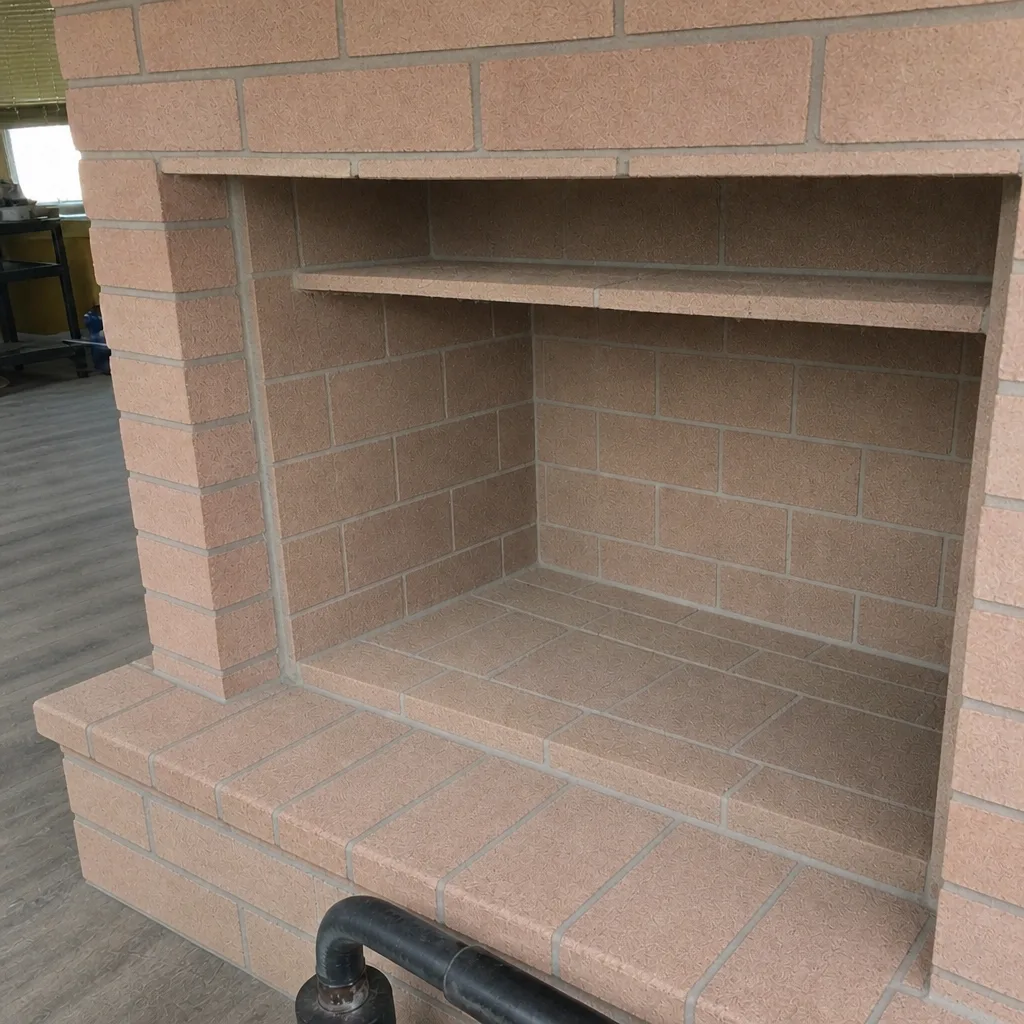
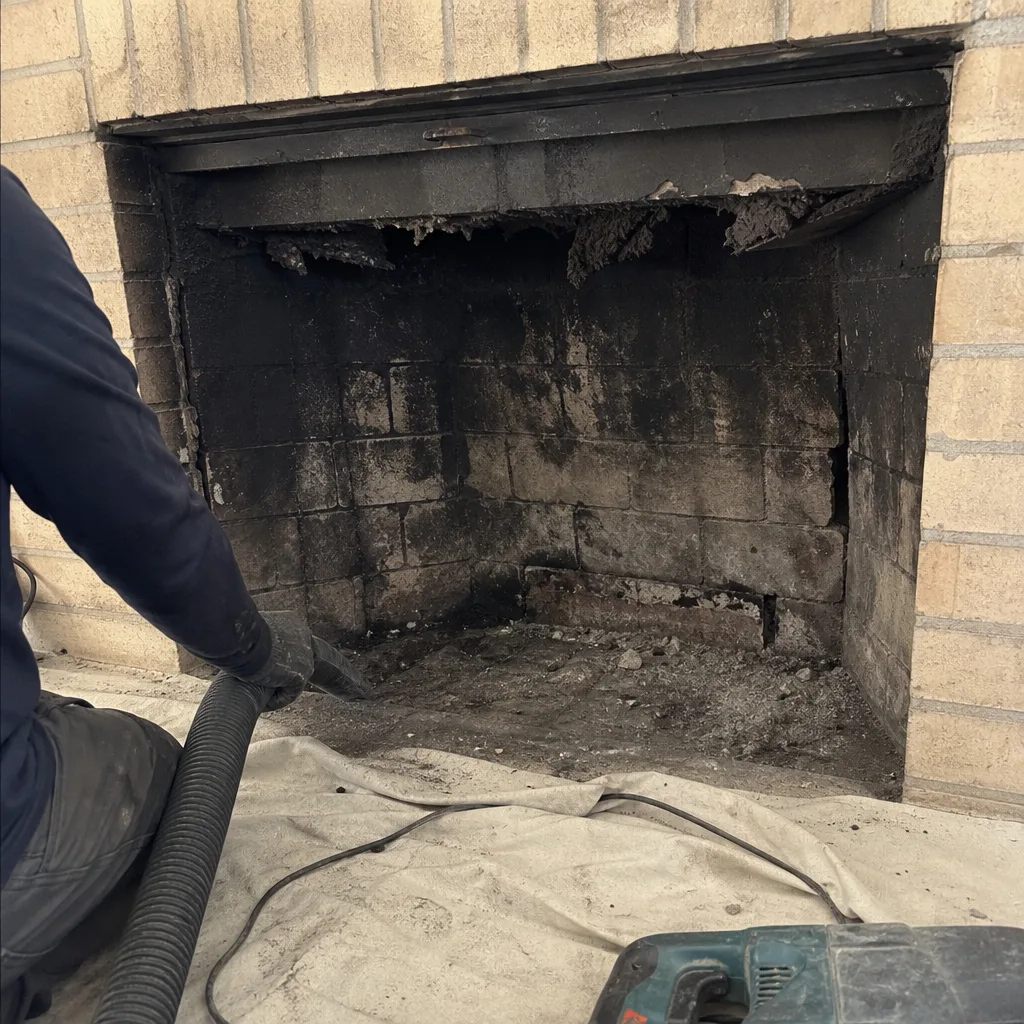
See the difference
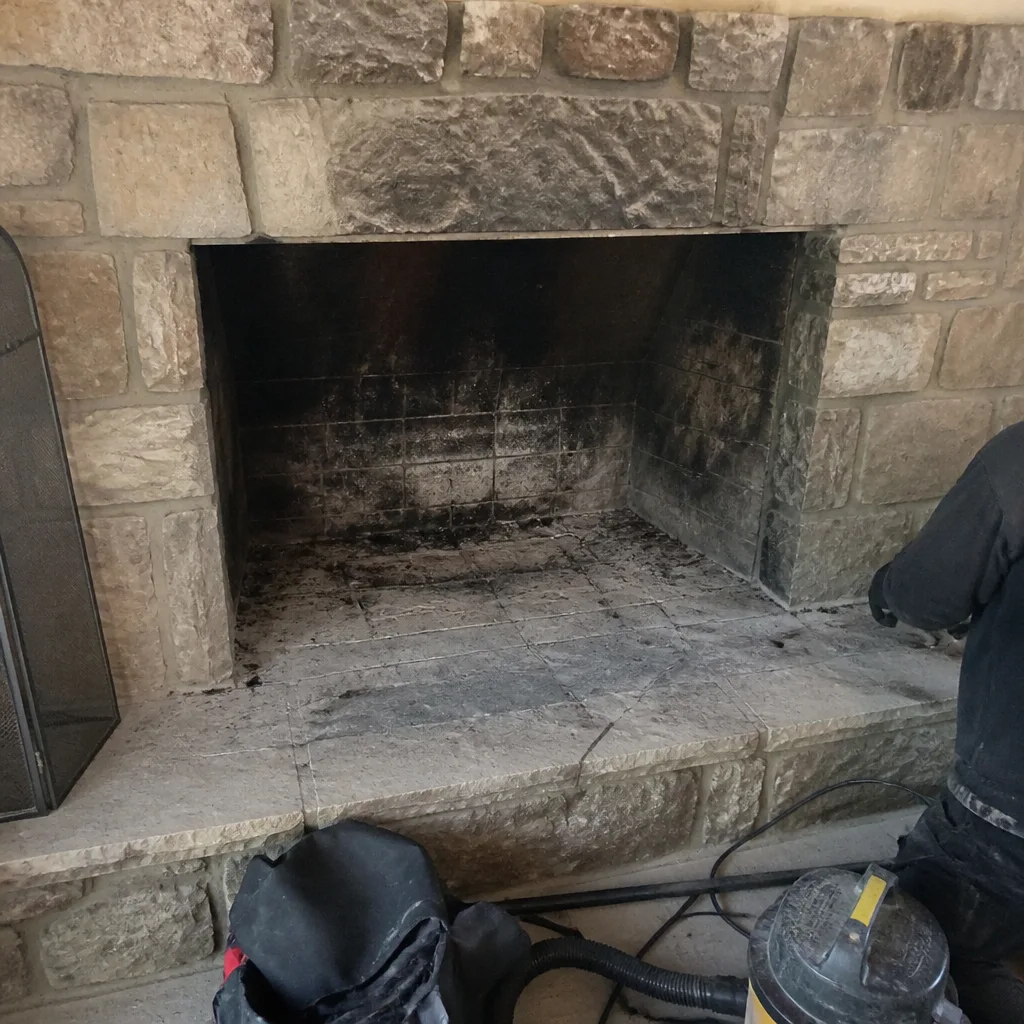 Before
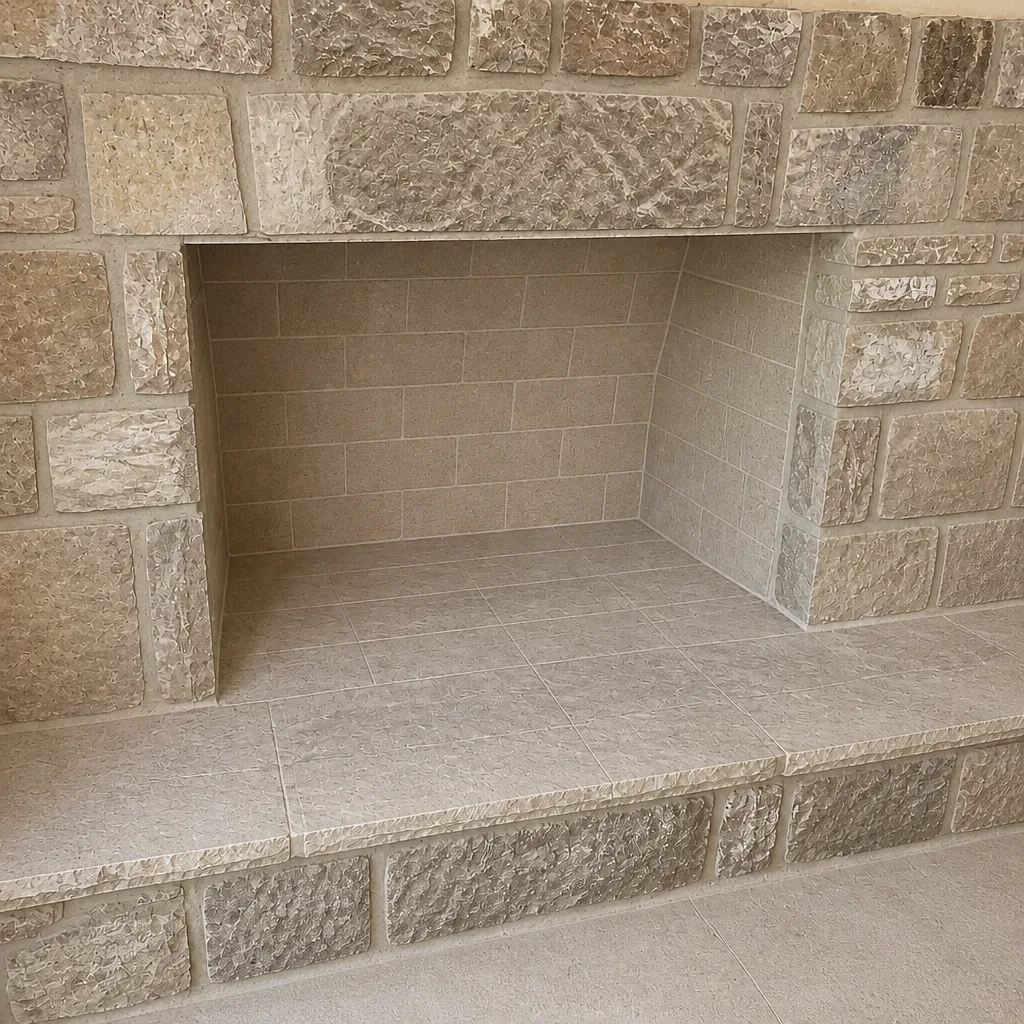 After
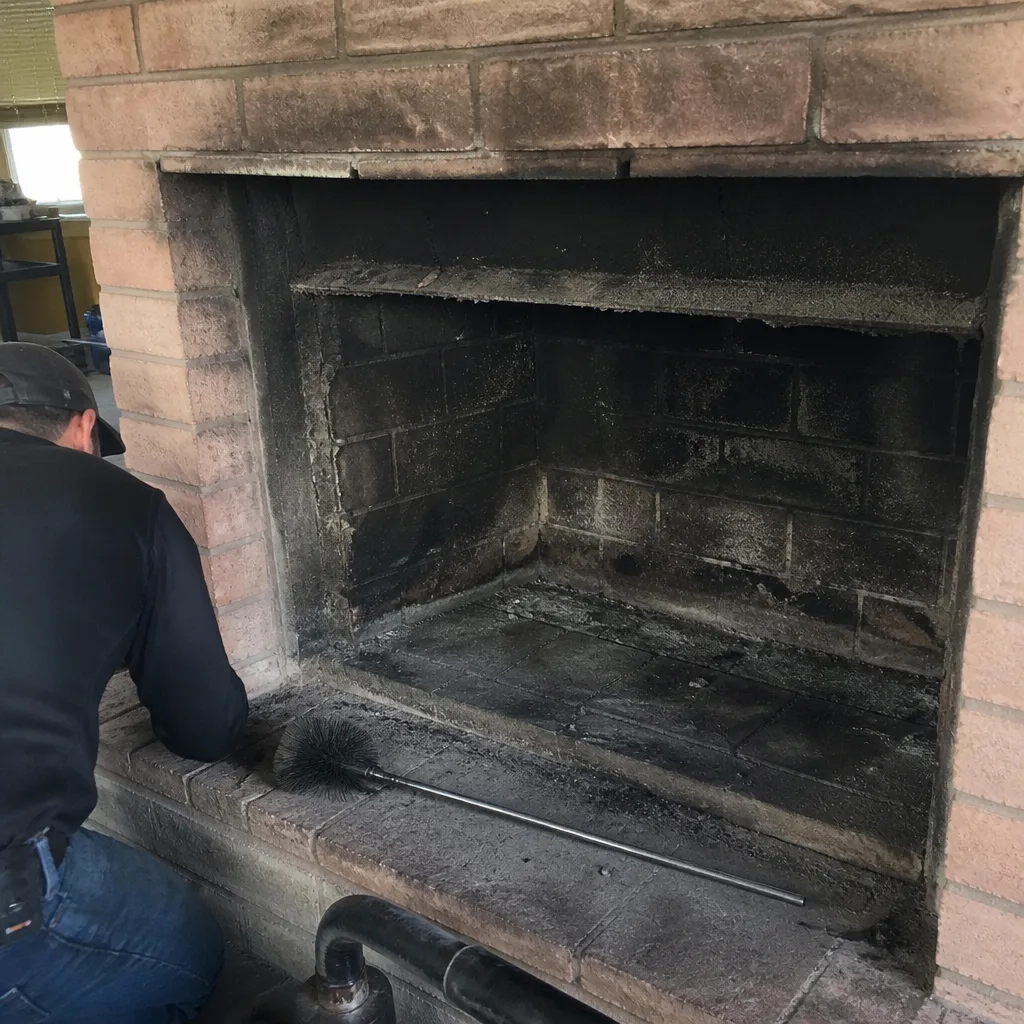 Before
 After
 Before
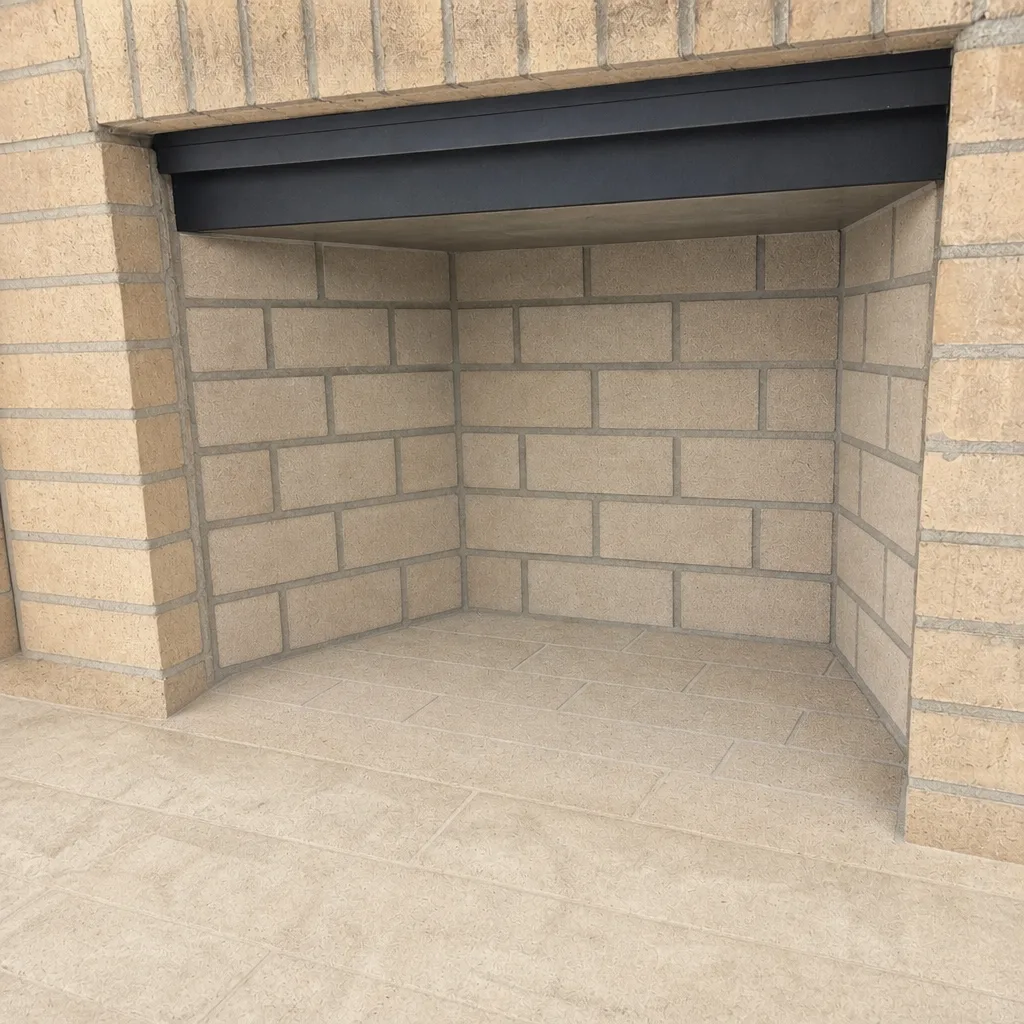 After
When to Call a Professional
Some things are a monthly check. Others are a call. Call a professional if you see glossy, tar-like creosote in the firebox or at the damper, if smoke backs into the room instead of drawing up, if a strong smoky smell lingers when nothing is burning, or if you see cracked or crumbled masonry anywhere on the chimney. A carbon monoxide detector going off while a fire is burning is a stop-and-call situation: extinguish the fire, ventilate, and get the flue checked before you burn again. Any chimney that has sat unused for two or more years should get an inspection before the first fire, without exception. And the routine pre-season visit in late September or early October is the one to book before your calendar fills.
Chimney Sweep Yuma offers free estimates in Yuma, and we answer 24/7. Fast dispatch from 7am to 7pm, Sunday through Friday. Call Yuma‘s chimney specialists at (866) 389-5011 to get on the pre-season schedule.
Frequently Asked Questions
For most Yuma homes, a professional sweep and inspection once a year, timed for late September or early October, is the right interval, even when you burn fewer than twenty fires a season. The sweep’s depth can be calibrated to your actual use, but the annual inspection shouldn’t be skipped, because off-season intrusion and moisture damage don’t depend on how much you burned. Call (866) 389-5011 for an exact quote – estimates are free.
Late September is better because it’s close enough to the burning season that the clean flue you inspect is the flue you’ll actually use. A July sweep leaves four more months for monsoon debris and nesting material to collect before your first fire. A technician looking at the flue in mid-October is giving you a current answer, not a stale one.
Schedule a full inspection before you light any fire, and ask for a camera inspection of the flue interior. A long-idle flue may hold nesting material, debris, cracked tiles, or a damaged cap, and none of that shows from the living room. The first visit should clear any obstruction, check the cap and crown, and document the flue’s condition so you know what you’re working with. Call (866) 389-5011 to book it.
Yes, because the cap is what protects your idle flue through the hot months. A missing or damaged cap is the most common reason birds, rodents, and monsoon debris end up inside a chimney, and it’s a quick fix when it’s checked at the end of the burning season. Skipping it means more to undo when the pre-season visit comes around.
You can and should do the monthly observational checks from inside the room and from the ground, but the sweep and the flue inspection belong to a trained professional. Creosote is highly flammable and flue blockages can push carbon monoxide into the house, so reaching into the flue or trying to remove heavy creosote yourself isn’t worth the risk. A proper inspection also needs equipment, including a camera on older or idle flues.
Deferring service lets creosote accumulate, and heavy creosote is the fuel for a chimney fire. It also gives cracks, spalling tiles, and a failing cap time to worsen while nobody’s looking, and lets off-season intruders settle into an open flue. None of it announces itself until the problem is more expensive than it needed to be. Call (866) 389-5011 and we’ll get you on the schedule.
The Bottom Line
The right chimney schedule for Yuma isn’t a national calendar with the city name swapped in. It’s built around a short burning season and a long idle one. Book the sweep and inspection for late September to mid-October, so you’re working with a current read on the flue right before you need it. Do the monthly observational checks during the season, and remember that on a light-burn year the inspection still stays put even if the cleaning interval stretches. Handle the post-season cap check so summer doesn’t undo your winter. And treat any chimney that’s sat idle for two years as an inspection-first job, every time.
We’re chimney specialists, not generalists, and we work with professional-grade materials rather than hardware-store substitutes. If you want the pre-season visit done right, call (866) 389-5011 for a free estimate. We answer 24/7. Fast dispatch from 7am to 7pm, Sunday through Friday.
Written by the team at Chimney Sweep Yuma.