
Last updated November 16, 2026
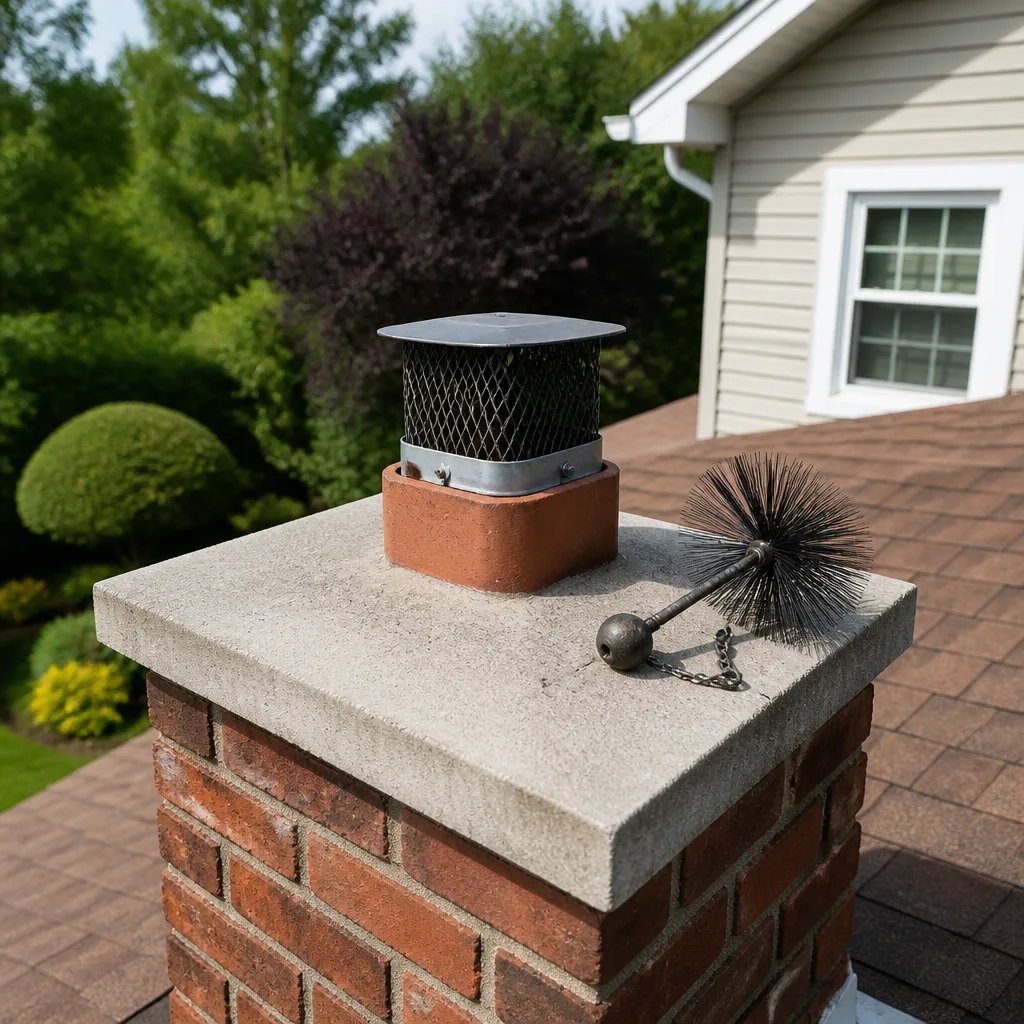 Sweep & inspection
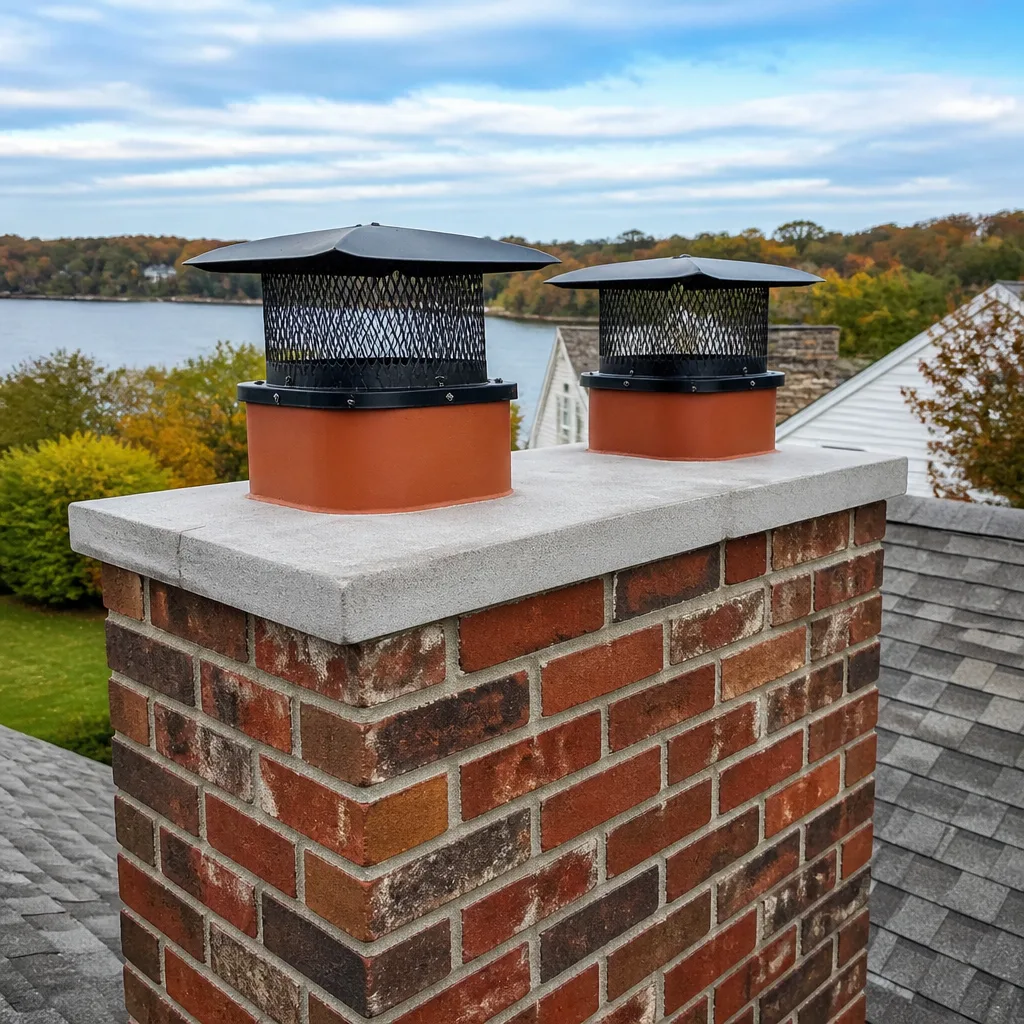 Caps & crowns
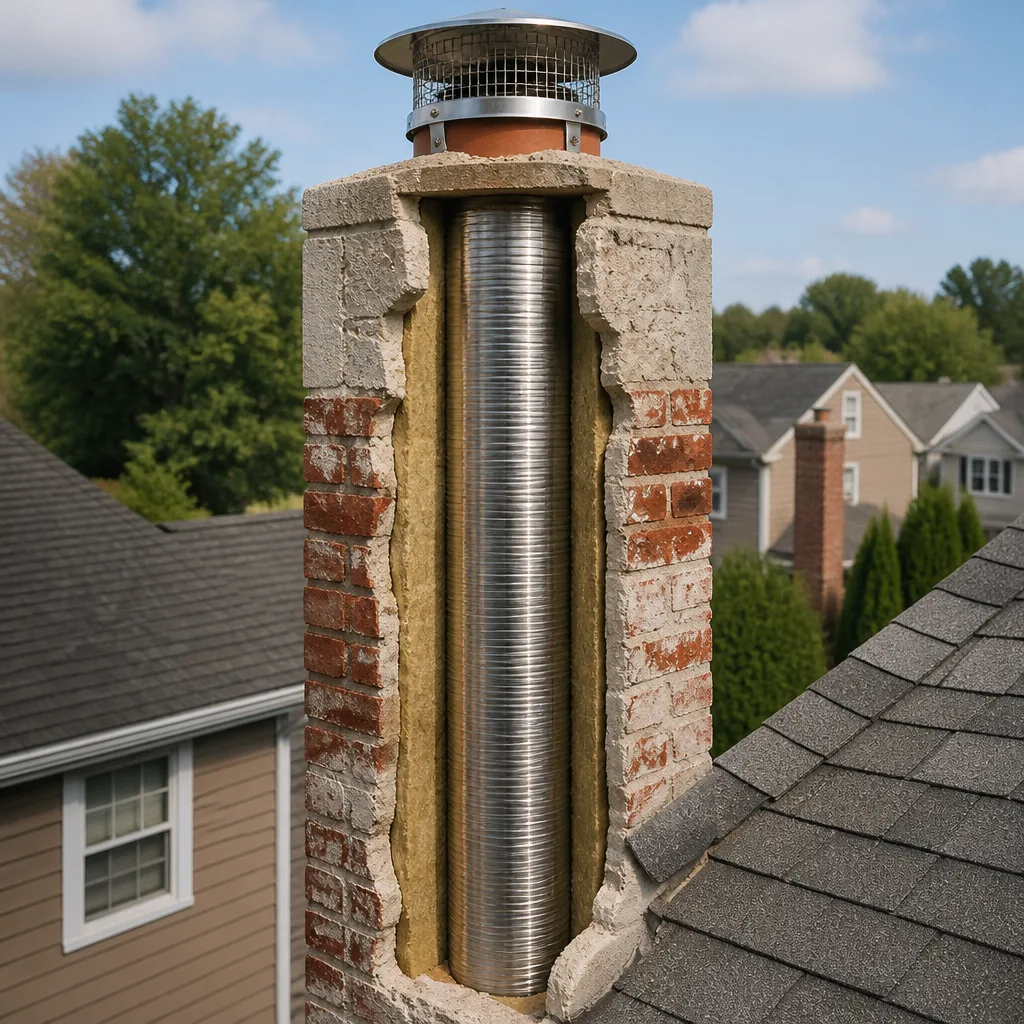 Flue relining
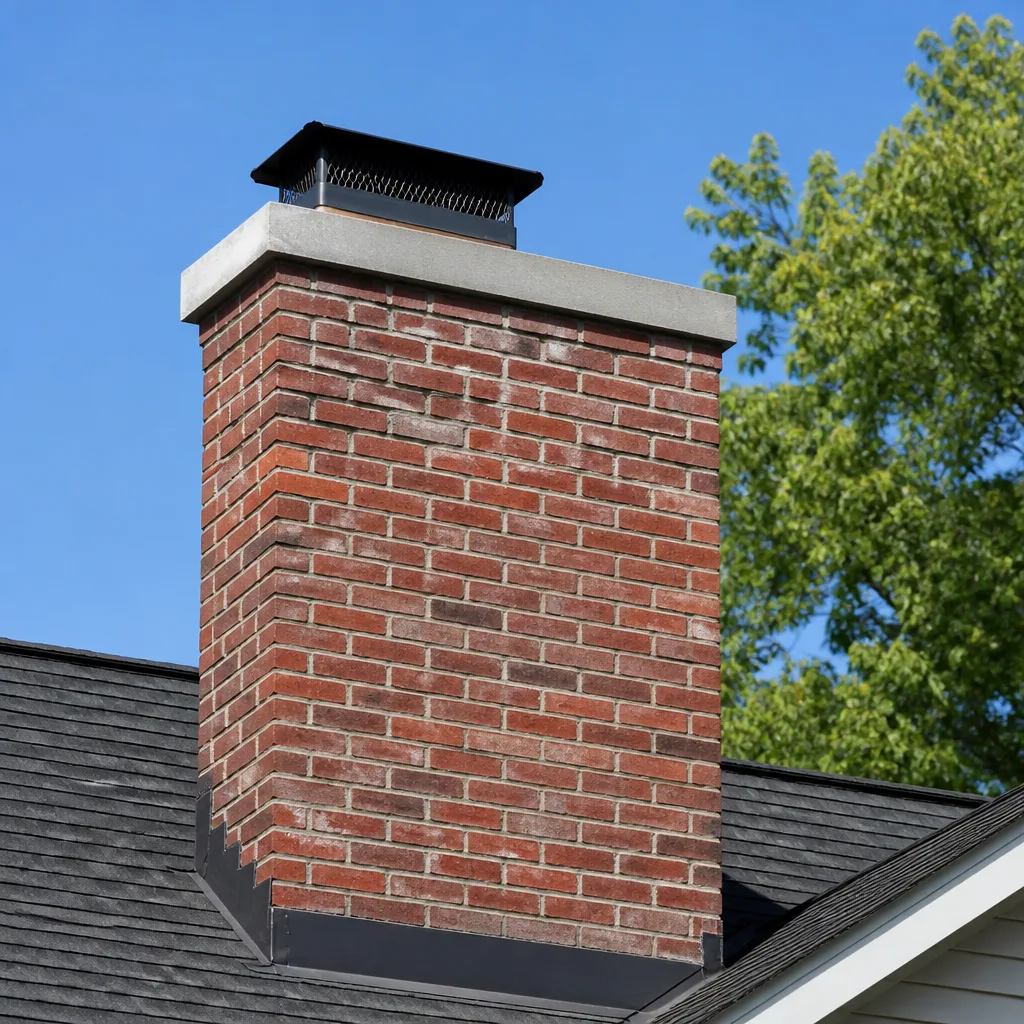 Masonry repair
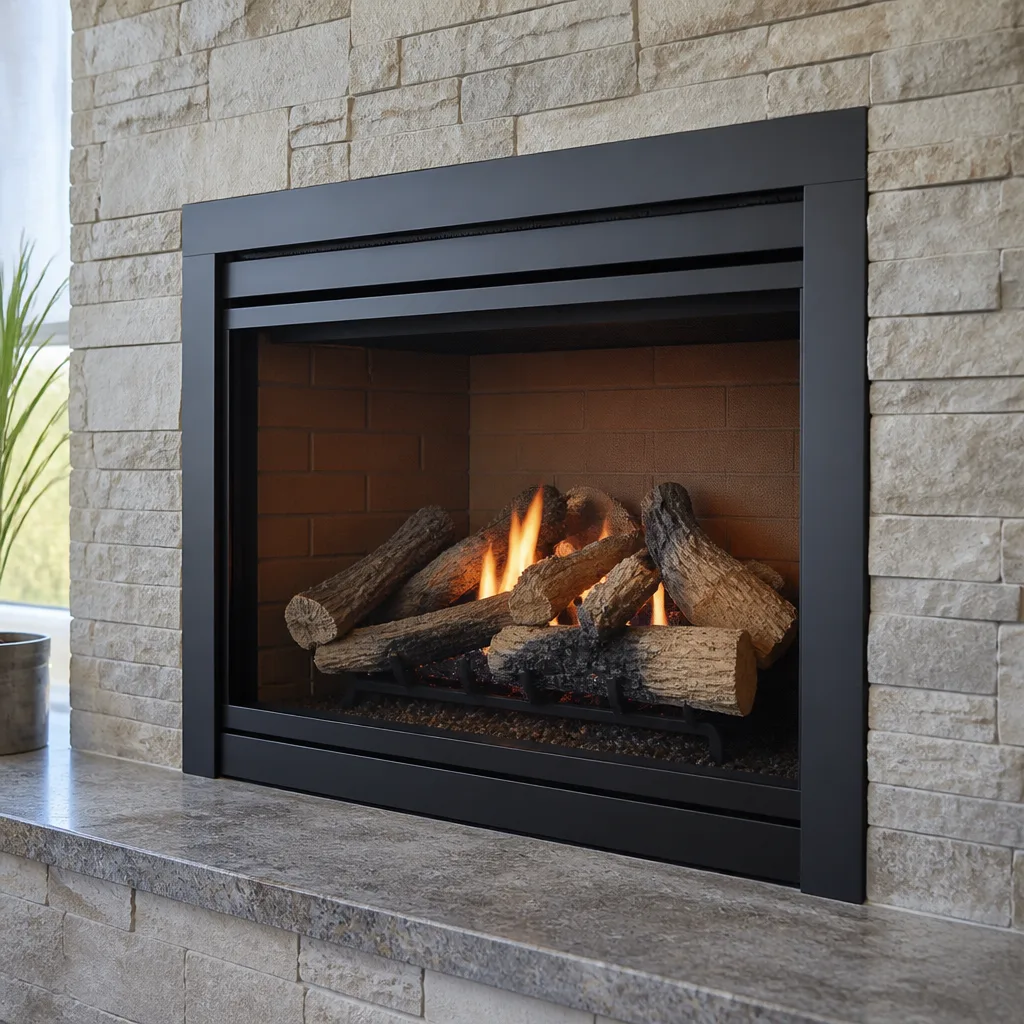 Gas fireplace service
Level 1 sweep and inspection to the NFPA 211 annual standard - flue, crown, cap, and flashing checked and photographed
Chimney sweep logs do not sweep chimneys. They loosen some creosote - which then falls where a brush and vacuum still have to collect it.
Chimney Sweep Troubleshooting in Yuma: Common Problems and How to Fix Them
A smoky fireplace in Yuma is rarely a creosote problem. That surprises people, because nearly every chimney guide online was written for wet, cold climates where sticky creosote builds fast and drives every diagnosis. Here, the story is different. Low humidity, blowing desert dust, and wide temperature swings create a distinct set of failures: dust and debris loading, blocked flues colonized by birds, and crowns that crack under thermal stress. If you treat a Yuma blockage like a creosote problem, you’ll spend money on the wrong fix and leave the real hazard sitting in the flue. This guide walks through how to tell which problem you actually have, what you can safely monitor, and what needs a technician.
Quick Answer
Most chimney problems in Yuma come down to three culprits: heavy dust and debris accumulation in low-use flues, animal nesting in uncapped chimneys, and cracked crowns or mortar joints caused by large daily temperature swings. Work out whether you have a draft problem, a blockage, or structural damage before you call anyone, because each one is fixed differently. Anything that smells like smoke backing up into the room or shows visible cracking in the firebox should be checked by a chimney specialist before you light another fire.
Styles & brands we work with
- Sweep & inspection
- Caps & crowns
- Flue relining
- Masonry repair
- Gas fireplace service
Table of Contents
- Why Yuma Chimneys Fail Differently Than National Guides Predict
- How to Diagnose Draft, Blockage, or a Cracked Flue
- Caliche Dust and Debris: The Silent Flue Clogger
- Birds and Critters That Colonize Unused Yuma Chimneys
- Thermal Expansion Damage to Crowns and Mortar Joints
- When Creosote Actually Does Matter Here
- What’s Safe to Monitor and What Means Stop Using the Fireplace
- How Each Problem Gets Fixed
Why Yuma Chimneys Fail Differently Than National Guides Predict
National chimney content is built around one villain: creosote. That makes sense in places with long heating seasons, damp wood, and months of steady fireplace use. Yuma isn’t that place. Here, the heating season is short, wood tends to be well-seasoned because drying happens quickly, and many fireplaces sit unused for most of the year. The result is that creosote buildup is usually light. The problems that actually show up in Yuma chimneys are different, and they’re driven by the local climate and geography.
Three things define the failure pattern here:
- Very low humidity. Masonry dries out thoroughly between seasons, but it also shifts constantly as moisture moves in and out. Mortar that stays dry most of the year can still crack when it expands and contracts.
- Airborne dust. The desert around Yuma produces fine dust, including caliche dust from surrounding caliche-rich soils. It settles on roofs, gets pulled into flues through the chimney top, and accumulates in the smoke chamber and on the smoke shelf.
- Wide daily temperature swings. Winter days in Yuma can swing roughly 50°F between afternoon highs and overnight lows. Masonry absorbs that expansion and contraction every single day.
Put those together and you get a chimney that looks clean when you shine a light up from the firebox but is quietly loading up with debris at the top, or has a hairline crown crack you’d never notice from the ground. If you’re in the middle of diagnosing a problem, our Chimney Sweep Yuma service is built around sweep, repair, and inspection together, so a single visit can tell you which of these you’re dealing with instead of guessing.
How to Diagnose Draft, Blockage, or a Cracked Flue
Before anyone comes out, you can narrow down which of the three main problem types you’re facing. These are simple observations, not repairs. Don’t climb on the roof or reach into the firebox to poke at anything. The point is to gather enough information that the right fix happens on the first visit.
Step 1: Watch the smoke at startup
- Smoke rolls back into the room and then settles. That’s usually a draft problem, often because the flue is cold or the house is more airtight than the chimney can compete with. It tends to improve once the flue warms up.
- Smoke backs up persistently, won’t improve, and you smell something musty or like dead air. That leans toward a blockage, often a nest or debris pile sitting on the smoke shelf.
- Smoke backs up only sometimes, mostly in windy conditions, and the fire burns unevenly. That points to a partially blocked or damaged flue, possibly a cracked tile or a flue that’s partially collapsed.
Step 2: Look for smoke stains and soot patterns
Smoke stains around the top of the firebox opening, on the face of the fireplace, or on the damper frame tell you smoke has been escaping there for a while. That’s a strong signal the flue isn’t drawing properly. A streak of soot running down one side of the firebox interior can mean an offset or a damaged flue tile.
Step 3: Check for water intrusion signs inside
Look at the firebox back wall and the damper for rust, white mineral streaks, or a dark water line. Those point to water getting in from above, usually through a cracked crown or a missing cap. The chimney is doing its job as a rain funnel, which is the opposite of what you want.
Step 4: Check the crown and cap from the ground
From the ground with binoculars, look at the concrete crown at the top of the chimney. Hairline cracks radiating across it, a crown that’s pulling away from the flue tile, or crumbling edges all indicate thermal damage. A missing cap or a cap with broken screen mesh is your first clue to an animal problem. If you can’t see clearly, that’s fine. A camera inspection will show it. When in doubt, book a chimney sweep and ask for a camera inspection at the same time so you get a full picture in one visit.
Caliche Dust and Debris: The Silent Flue Clogger
In our experience, most Yuma flues that look clean are actually loaded with dust and debris. Caliche dust is very fine. It seeps into a flue through the chimney top and also blows in around an open or poorly sealed damper during dust events. Over a season or two, that fine dust settles on the smoke shelf, clings to the smoke chamber walls, and starts narrowing the flue’s effective opening. Unlike creosote, it doesn’t announce itself with a heavy smell. It just quietly reduces the draft.
A heavy dust load causes two problems. First, it impairs draft, so the fireplace becomes smoky and hard to start. Second, when it burns off or gets disturbed, fine dust can blow back into the room, which is a nuisance and a health concern for anyone with respiratory sensitivity.
How to spot a heavy dust load
- The damper area looks grey or brown and feels gritty when you run a flashlight over it
- A fine layer of dust on the top of the damper blade
- Dust is visible on the smoke shelf when you look up with a light, though you may not be able to see that far
- The fireplace won’t draft well even with a warm flue
Sweeping is the fix, and a proper sweep includes brushing the smoke chamber and shelf, not just the flue. That’s the difference between a real sweep and a quick pass with a brush. Call (866) 389-5011 to book a sweep and ask them to clean the smoke chamber thoroughly, not just the flue.
Birds and Critters That Colonize Unused Yuma Chimneys
An uncapped chimney in Yuma is an open door to wildlife. Because many fireplaces sit unused for most of the year, there’s no smoke or heat to discourage nesting. The classic culprits are small birds and other animals that find a warm, sheltered, dry space and move in. The evidence they leave behind is usually obvious once you know what to look for.
What animal entry evidence looks like
- Nesting material at the top of the chimney or sitting on the damper: twigs, straw, and feathers. If you can see any of it, there’s a nest.
- Scratch marks or soot smudges around a cap or at the flue opening: animals moving in and out regularly.
- Scratching, flapping, or chirping sounds from the chimney: especially during quiet hours. Never ignore this.
- Soot and debris falling into the firebox: a sign the flue is being disturbed from above.
- A missing, rusted, or damaged cap: the most common root cause. A cap with damaged screen mesh or a gap along the edge is enough to let a bird through.
The fix here is straightforward. Remove the nest and debris with a proper sweep, then install a cap that actually fits and seals the top of the flue. Our repair work uses chimney repair materials from recognized product lines, including Gelco caps and covers, because a cheap hardware-store cap is exactly what failed in the first place. A properly installed cap also solves moisture intrusion and improves draft control. It’s the single most useful piece of hardware on a Yuma chimney, and it’s why we don’t reschedule around parts. If a cap is needed, we fit the right one during the same visit.
Thermal Expansion Damage to Crowns and Mortar Joints
Yuma’s winter temperature swings are the quiet cause of a lot of chimney damage. Daytime highs and overnight lows can differ by roughly 50°F. Masonry doesn’t like that. Every day, the crown at the top of the chimney expands slightly in the afternoon and contracts at night. Over time, that movement opens hairline cracks in the concrete crown. Once a crack is there, water gets in, freezes in the rare cold snap, and widens the crack. The cycle repeats.
The same process works on the mortar joints between flue tiles. Mortar is the softer material. It cracks, crumbles, and spalls before the tiles themselves do. A flue with deteriorating mortar joints is a problem because it can let hot gases and smoke escape into the chimney structure, and it can allow the flue tile to come loose. This is where a repair-first approach matters. Many flues with spalled or cracked joints can be resurfaced with HeatShield ceramic lining, which restores the flue surface without tearing out the old liner. That’s often a better outcome than a full liner replacement, and it’s a capability worth asking about directly when you call a chimney technician.
What thermal damage looks like
- Hairline cracks radiating from the crown around the flue tile
- A crown that’s pulling away from the tile or has crumbled edges
- Spalling mortar in the firebox or at flue tile joints, visible on camera
- Loose or shifted flue tiles, which show up in a camera inspection
Ask specifically whether the flue can be resurfaced before assuming a full liner replacement is the only option. Our Yuma repair service is built around that repair-first question, and a camera inspection gives you a photo record you can see for yourself.
When Creosote Actually Does Matter Here
Creosote isn’t irrelevant in Yuma, it’s just less often the main event. Where it does build up is in wood-burning stoves and inserts that get used daily through colder spells, and in fireplaces where people burn green or unseasoned wood. The familiar signs apply:
- A heavy, tarry smell even when the fireplace is cold
- Glazed, shiny deposits on the flue walls
- Dark, sticky soot on the damper or smoke chamber
- A fire that burns sluggish with poor draft
Glazed, third-degree creosote is the kind that’s hardest to remove and needs a proper sweep with the right tools and a technician who knows how to handle it. That said, in Yuma, the recurring creosote case is usually people who burn a lot of wood and don’t sweep regularly, not the once-in-a-while user. A sweep every year for regular burners, and every couple of years for light use, keeps creosote from becoming a problem. The real point is that a smoky fire here is more often a draft or blockage issue than a creosote issue. Sweeping is still necessary and still cheap insurance.
What’s Safe to Monitor and What Means Stop Using the Fireplace
Not every chimney issue demands you stop using the fireplace immediately. Some are genuinely safe to monitor until the next maintenance visit. Others mean shut it down now and don’t light another fire until a technician has looked at it. The distinction matters because it protects you and it keeps you from overreacting to a minor issue.
Safe to monitor (schedule a sweep and inspection soon)
- Light dust accumulation in a flue that’s otherwise drawing well
- A hairline crack in the crown with no water intrusion or rust inside the firebox
- A missing or damaged cap when no animal is present and the flue is clear
- Minor surface soot
that isn’t glazed or tarry
Shut down the fireplace until checked
- Smoke persistently backing into the room and not improving once the flue is warm
- Any visible firebox damage, loose flue tile, or materials falling into the firebox
- A strong, persistent creosote smell with glazed deposits on the flue walls
- Scratching or flapping sounds that indicate a live animal in the flue
- Signs of water intrusion with rust or mineral streaks, especially with an active crown crack
When in doubt, treat it as a shut-down case and get a technician’s eyes on it. Erring on the side of caution is always cheaper than dealing with a chimney fire or carbon monoxide problem. If you’re not sure which category you’re in, call (866) 389-5011 and describe what you’re seeing. We answer 24/7, and fast dispatch runs from 7am to 7pm, Sunday through Friday.
How Each Problem Gets Fixed
The good news is that every one of the problems in this guide has a clear, standardized fix. The right one depends on the diagnosis, and the diagnosis should come from a camera inspection so you’re not guessing. Here’s how each problem is typically addressed:
Dust and debris
A thorough sweep, including the smoke chamber and smoke shelf, using proper brushes. If the cap is missing or damaged, it gets replaced so the problem doesn’t recur. Materials matter here: a proper cap keeps out birds and rain for years, while a cheap cap fails and lets the problem return.
Animal nesting
Nest and debris removed during the sweep, then a properly fitted cap. On chimneys with a damaged or missing cap, this is usually a one-visit fix. Our product lines include Gelco and Famco caps and venting components, so the right part is available without a return visit.
Cracked crown and damaged mortar
Crown cracks sealed and repaired before they widen. Spalled flue joints resurfaced with HeatShield ceramic lining where the flue is a candidate, restoring the surface instead of replacing the liner. For flues that are offset or an unusual shape, a flexible DuraFlex liner system handles configurations a rigid liner can’t navigate.
Blocked or partially collapsed flue
A camera inspection determines the extent. If the flue is partially blocked by debris, the sweep clears it. If the flue tile is broken or shifted, a liner is often the right long-term fix. The key is a photo record of what’s actually going on before anyone recommends major work.
What we won’t do is hand you a bill for work you can’t verify. Every repair recommendation should come with photos from the camera inspection so you can see the problem yourself, and if a repair can safely wait, we’ll tell you that plainly.
Common Mistakes to Avoid
- Assuming every smoky fire is a creosote problem. In Yuma, it’s usually a draft or blockage issue. If you sweep and the problem persists, the cause is elsewhere. Chase the diagnosis, not the sweep.
- Using a general handyman for chimney work. Chimney work is a specialist trade. The right materials and tools (and knowing which brand of cap or liner fits the flue) make the difference between a fix that lasts and one that fails in a year. A generalist often means the problem returns.
- Ignoring a missing or damaged cap. An uncapped chimney invites nesting birds, rain, and dust into the flue. It’s the cheapest fix on the list, and skipping it causes some of the most expensive problems on this page.
- Burning green or unseasoned wood. It produces more creosote and more water vapor, which drives the moisture problems that crack crowns and mortar joints. Seasoned wood burns cleaner and hotter.
- Skipping the inspection after a repair. A repair without a follow-up inspection leaves you not knowing whether it worked. The camera inspection after the work is what closes the loop.
- Waiting for visible damage before scheduling a sweep. Caliche dust and fine debris load a flue quietly. By the time you see a problem, you’ve usually had it for a while. Regular sweeps catch it early.
- Poking around in the firebox or climbing the roof yourself. Not worth the risk. A camera inspection does the same job safely and gives you documented evidence of what’s going on.
See the difference
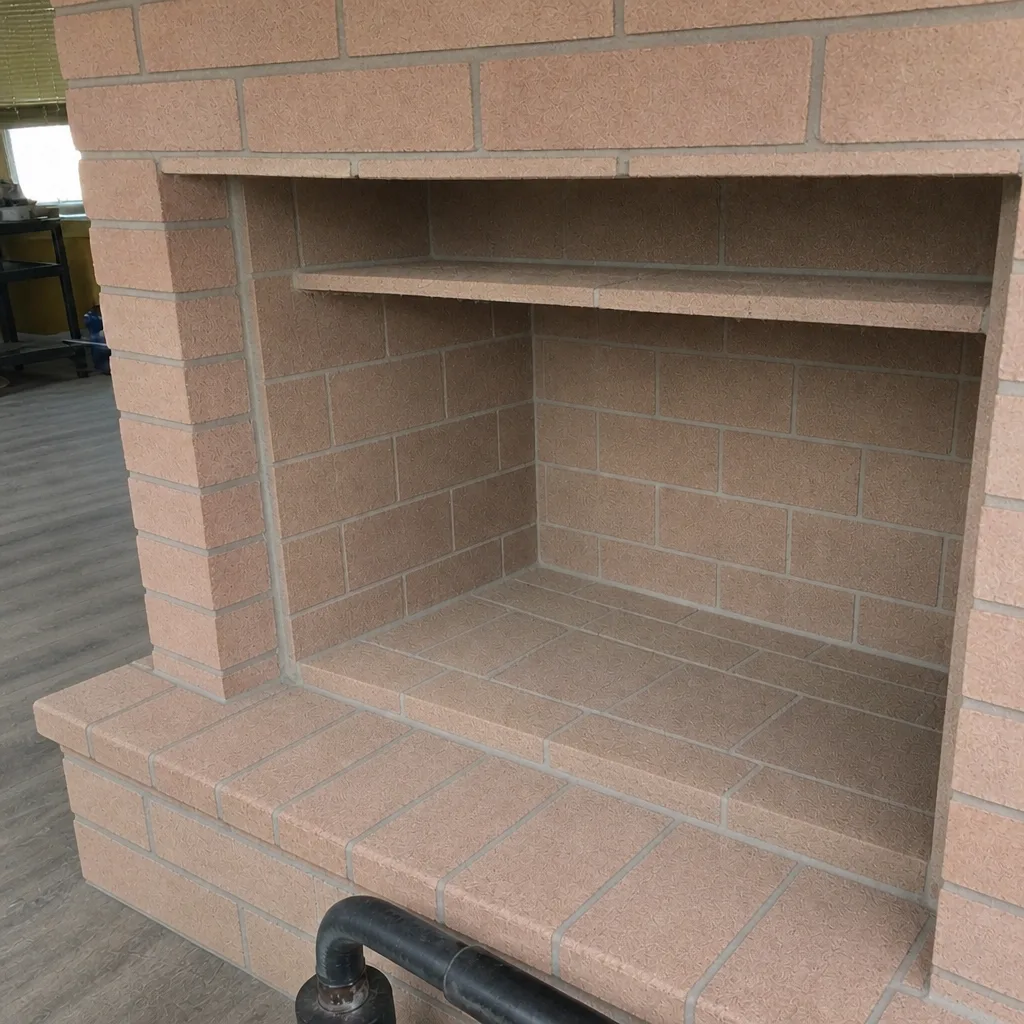
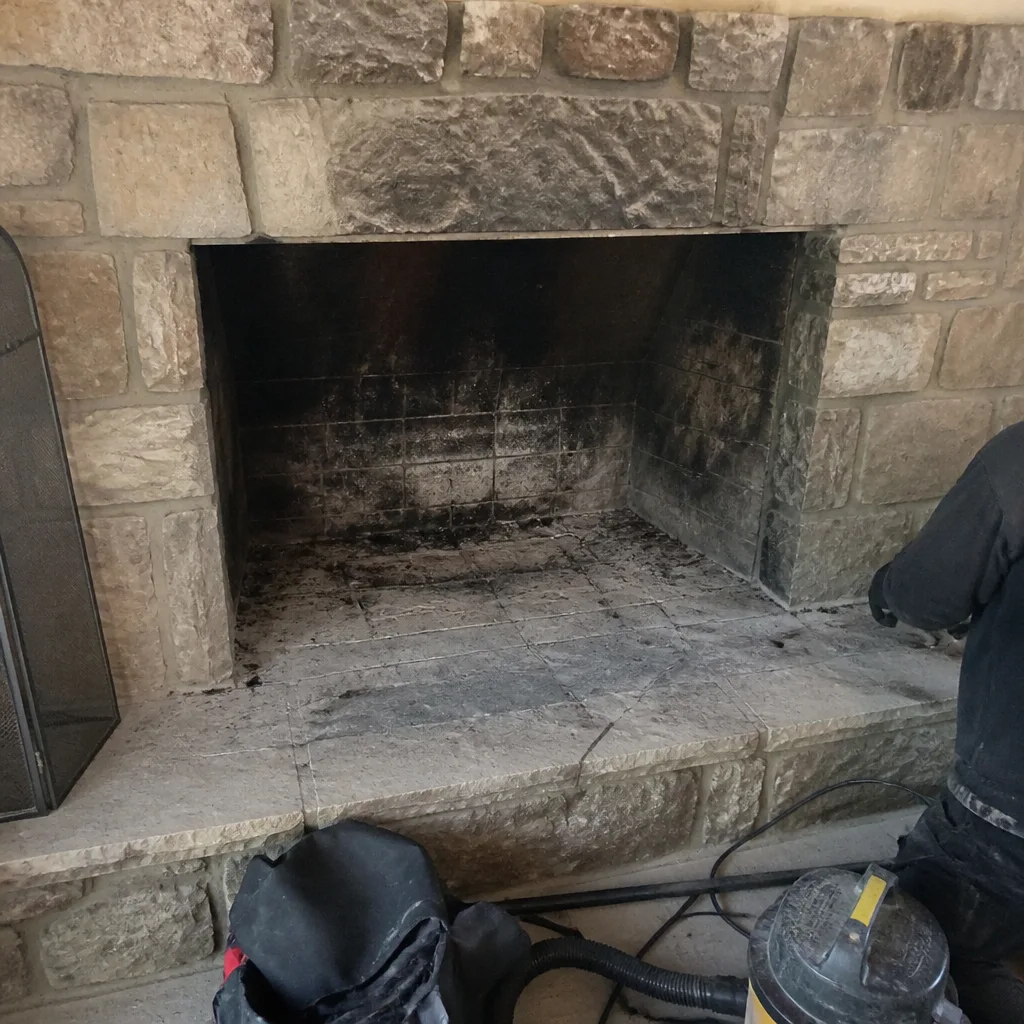 Before
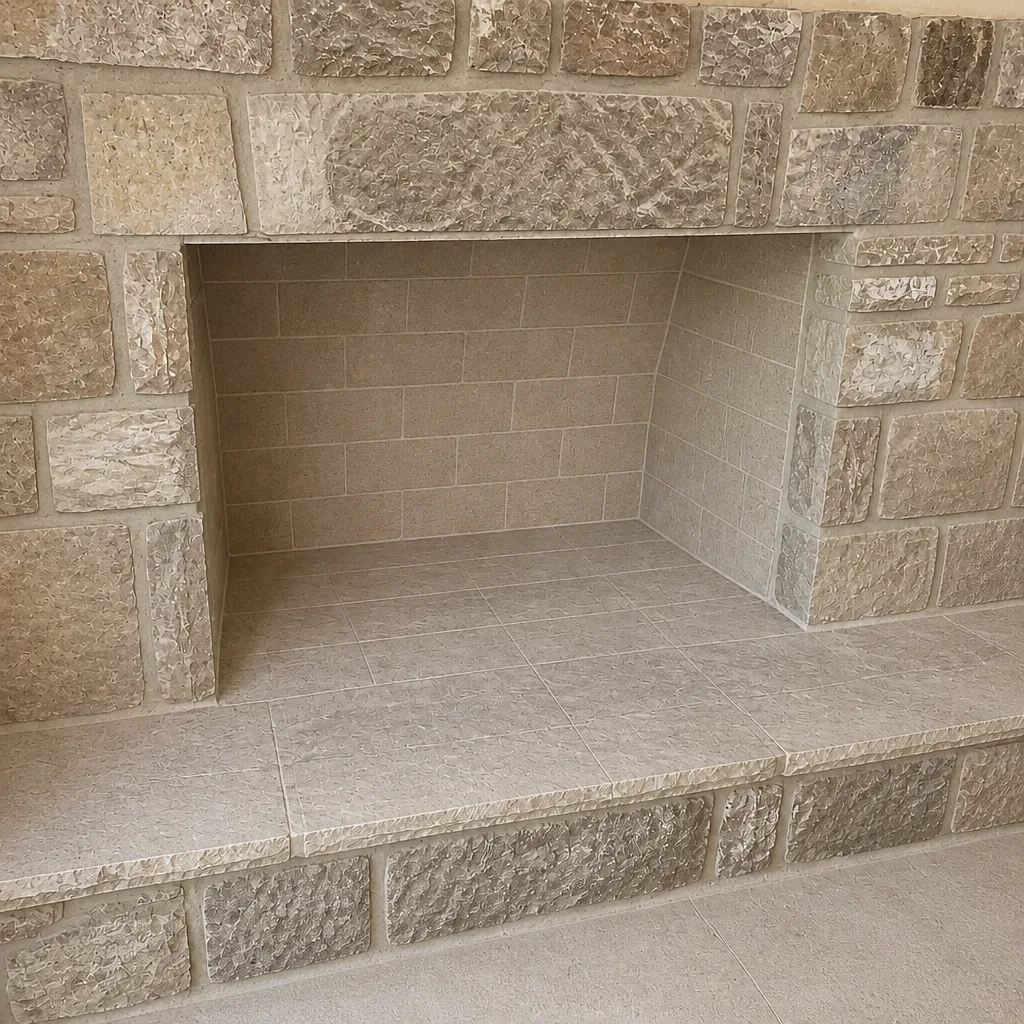 After
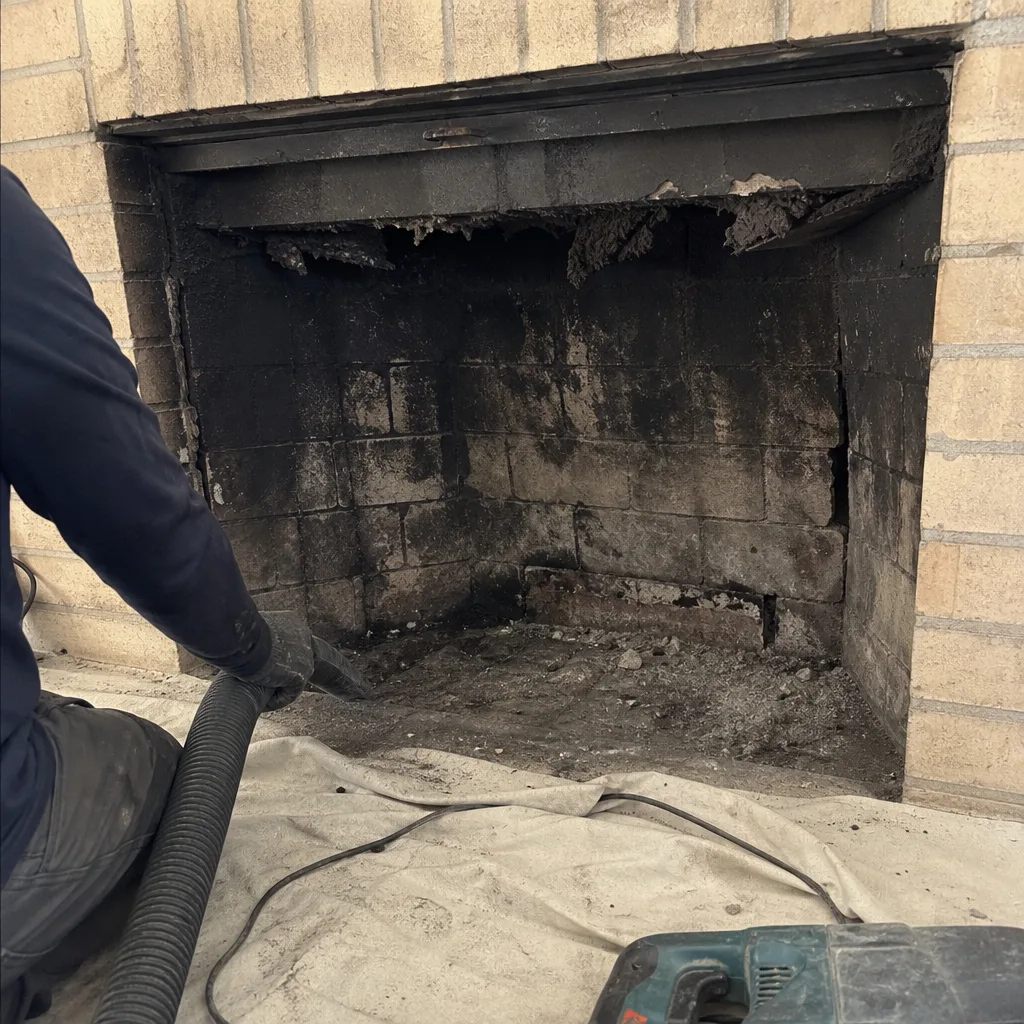
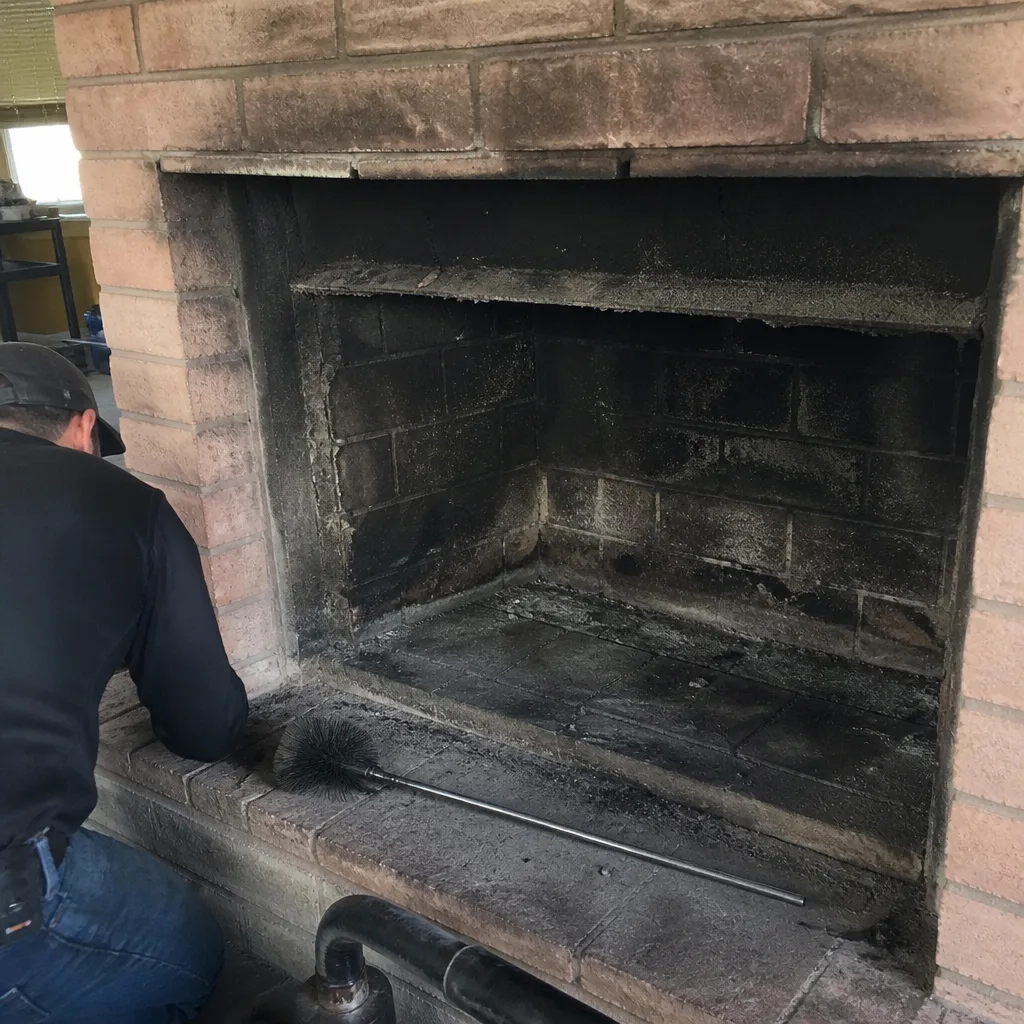 Before
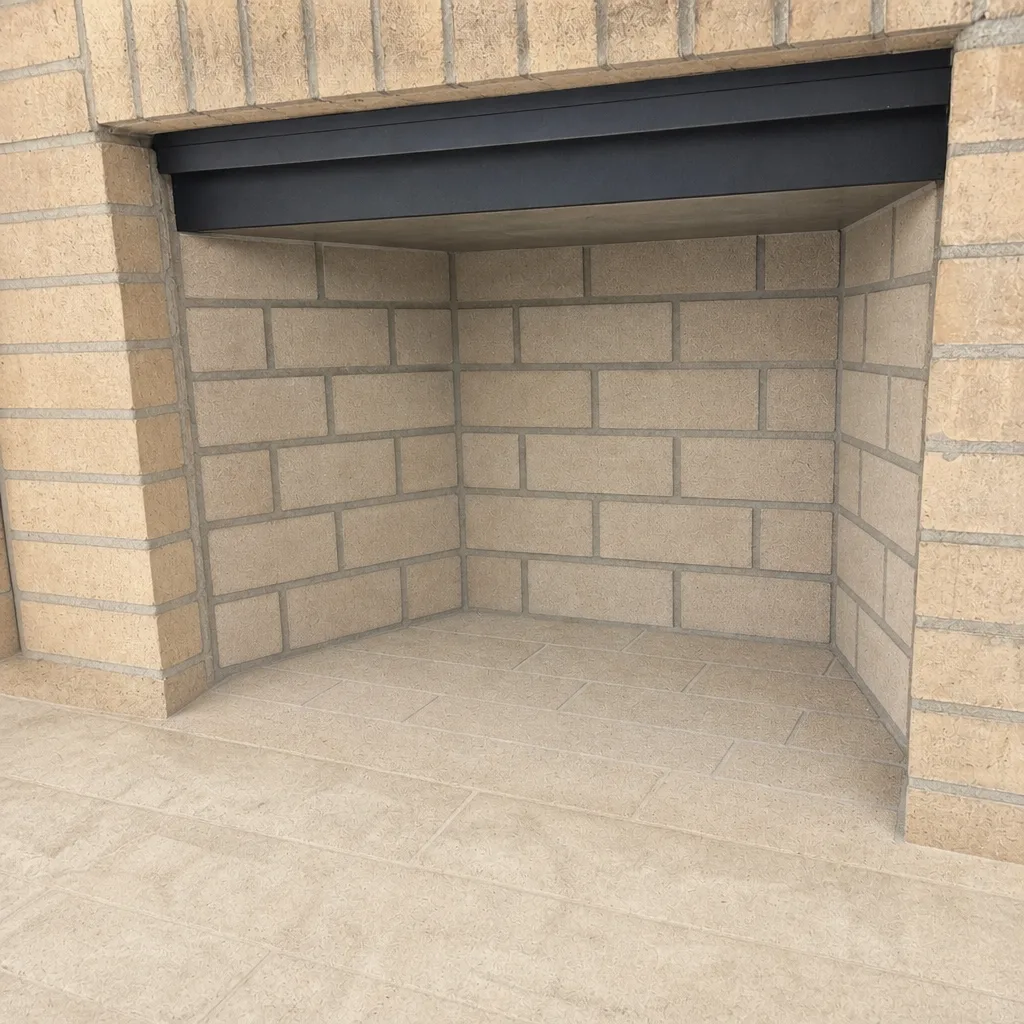
 After
 Before
 After
When to Call a Professional
Call a chimney specialist when you see any of the shut-down symptoms above: persistent smoke backing into the room, visible firebox damage, glazed creosote, live animal sounds in the flue, or signs of water intrusion with an active crown crack. Also call if your chimney hasn’t been swept or inspected in more than a couple of years, even if you haven’t noticed a problem. A camera inspection finds the quiet problems (dust loads, hairline crown cracks, spalled mortar) before they become expensive repairs. Chimney Sweep Yuma offers free estimates in Yuma, so there’s no reason to wait until something goes wrong. Call (866) 389-5011 to book a sweep, repair, or inspection. We answer 24/7, and our technicians have up to 13 years of experience with the product lines professional chimney guilds specify.
Frequently Asked Questions
No. Creosote is a minor factor in most Yuma chimneys, because the short heating season and dry climate keep buildup low. The real drivers are dust and debris accumulation, animal nesting from uncapped chimneys, and thermal damage to crowns and mortar from big daily temperature swings. That’s why a Yuma chimney problem should be diagnosed, not just swept. Book a sweep and a camera inspection with it so the actual cause is identified in one visit. Call (866) 389-5011 for an exact quote, and estimates are free.
Sweep a regularly used fireplace about once a year, and a lightly used one every couple of years. If the chimney is uncapped or sits unused for long stretches, plan for an additional inspection after any dust event or nesting evidence, because the flue can load with debris without obvious signs. The safest answer for a specific chimney is what the camera inspection shows.
Only after checking for visible damage and, ideally, a quick inspection. Windstorms in Yuma can blow debris into the flue or damage a cap, and the result is often a partial blockage that isn’t obvious until you light a fire. If anything looks off, get an inspection before you burn.
Yes. A blocked or partially blocked flue can push combustion gases back into the room instead of venting them up the chimney, which is why a smoky fire that won’t draft is serious and not just a nuisance. If you smell smoke indoors persistently, stop using the fireplace and get it checked.
In many cases, yes. A crown crack is often sealed and repaired before it widens, especially if it hasn’t yet let water into the structure. The key is catching it early with a camera inspection and then fixing it before the next cold snap widens it. Repairing the crown is a better outcome than waiting for the damage to spread.
A sweep cleans the flue, smoke chamber, and firebox. An inspection examines the condition of the flue, crown, cap, and firebox, using a camera, and produces a documented photo record of what’s found. Both are worth doing. Doing them together in one visit means you get a complete picture and don’t have to call back for a second appointment.
The Bottom Line
Yuma chimney problems aren’t the same as chimney problems in wetter climates. Treat a smoky fire here as a draft or blockage issue first, and check for animal nesting and thermal damage to the crown and mortar. Sweep regularly, cap the flue if it’s uncapped, and get a camera inspection so you’re diagnosing from evidence instead of guesswork. The problems in this guide all have clear fixes, and the cheapest fix is almost always early detection. When you’re ready, call (866) 389-5011 for a free estimate. We answer 24/7, and fast dispatch runs from 7am to 7pm, Sunday through Friday.
Written by the team at Chimney Sweep Yuma.