
Last updated November 16, 2026
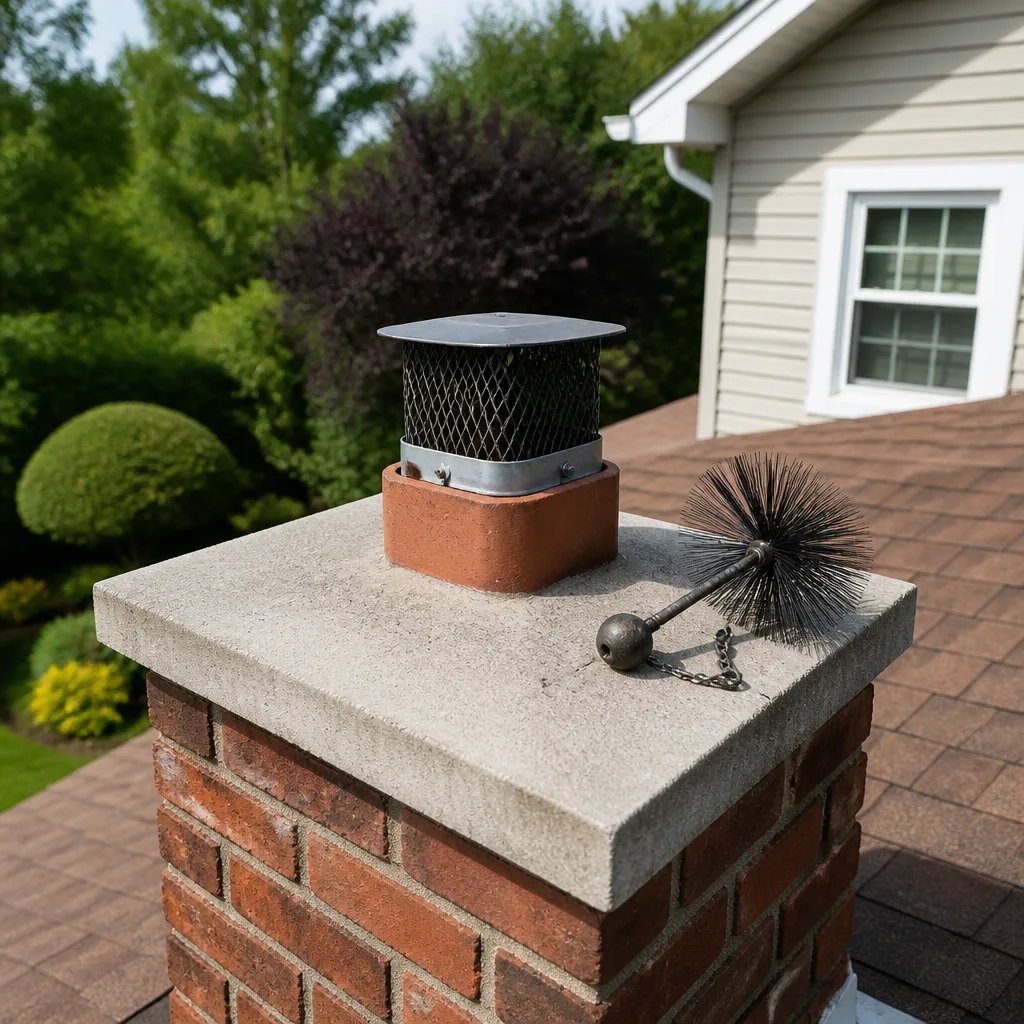 Sweep & inspection
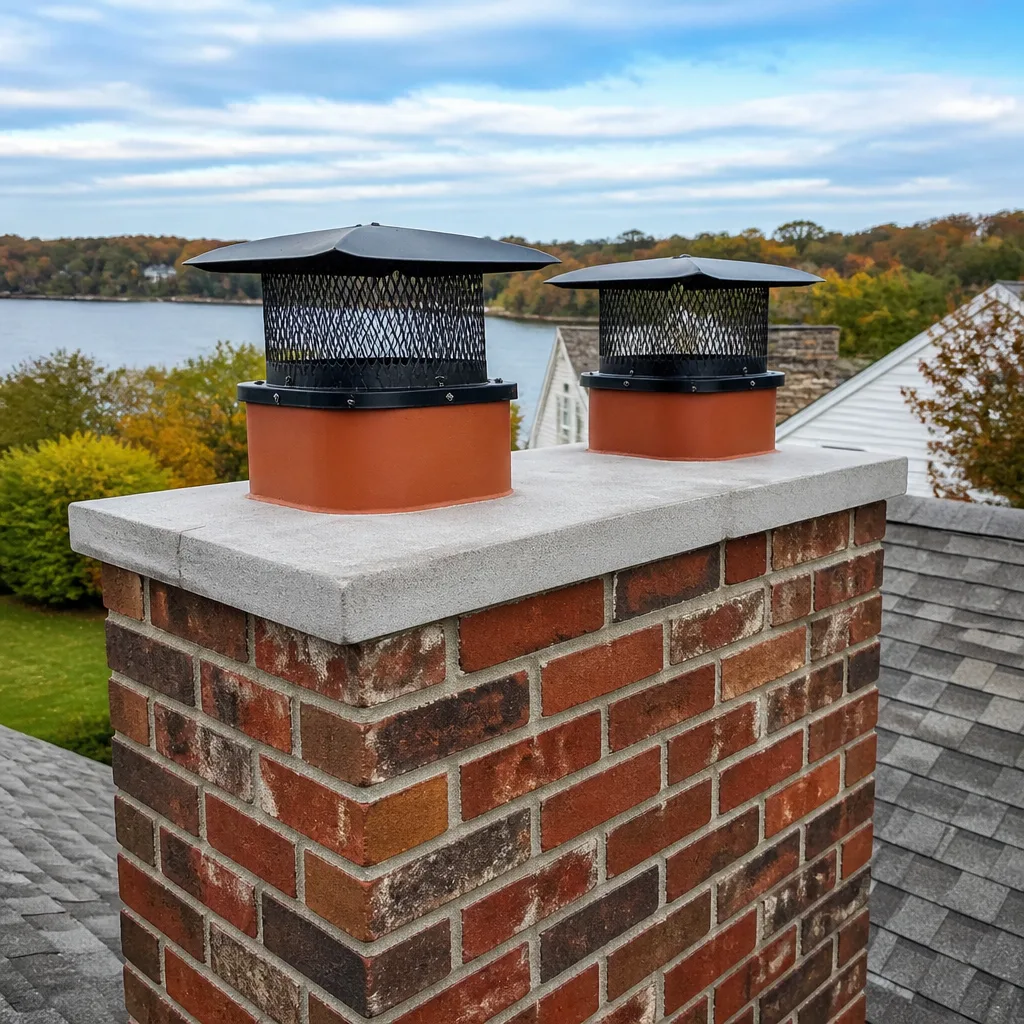 Caps & crowns
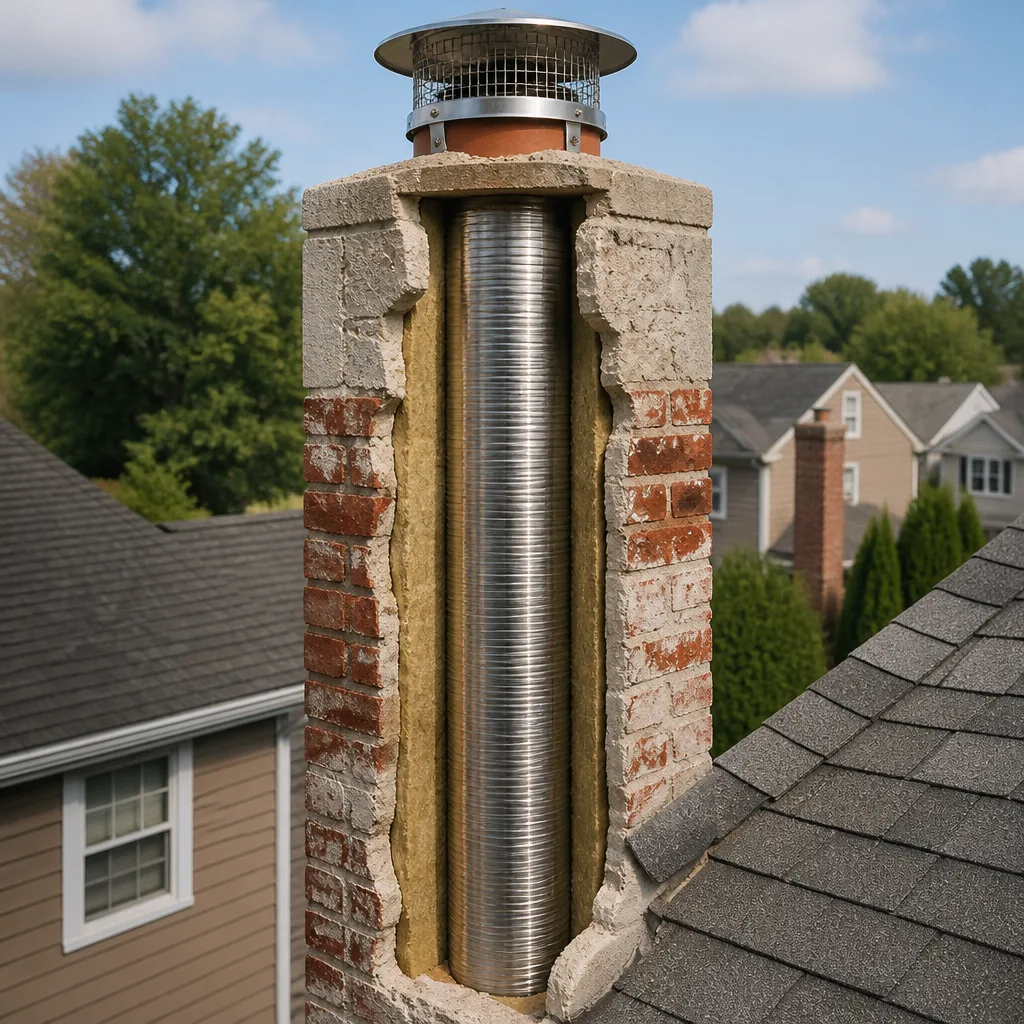 Flue relining
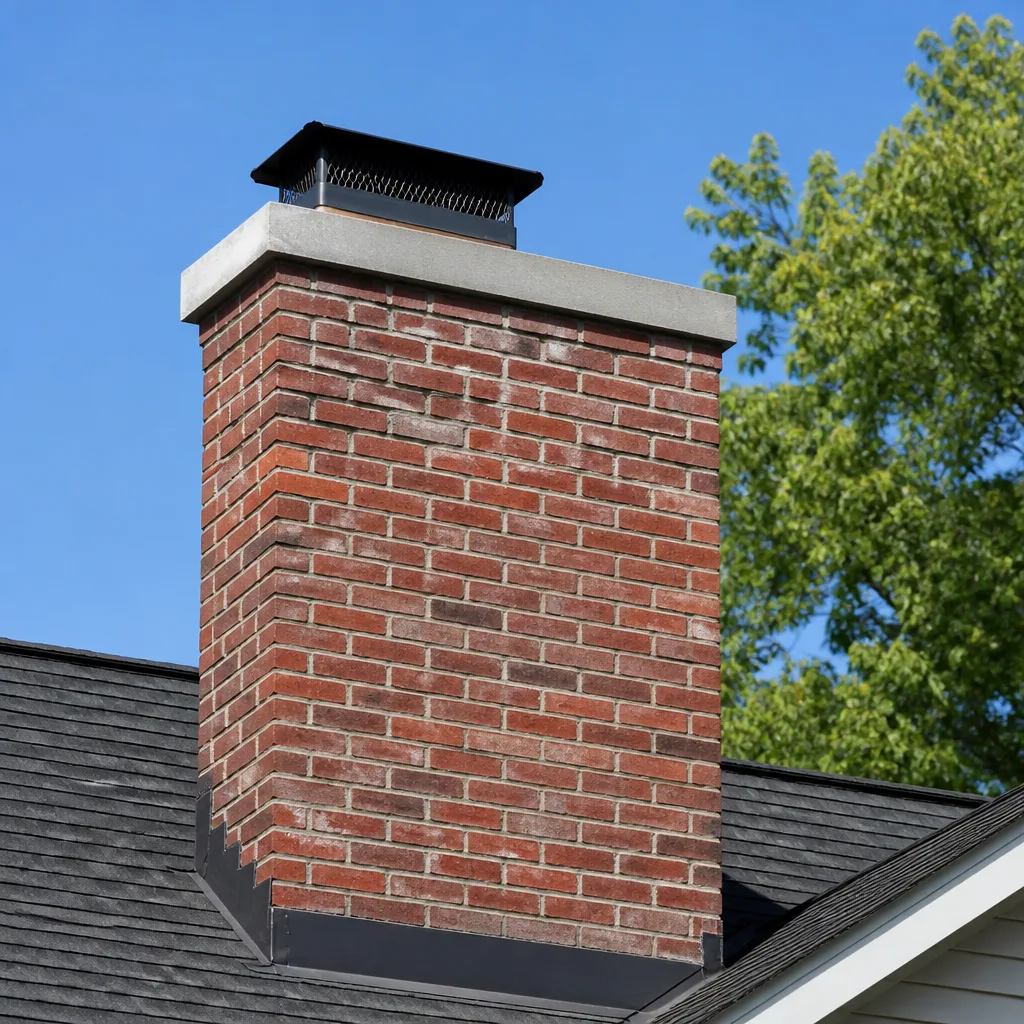 Masonry repair
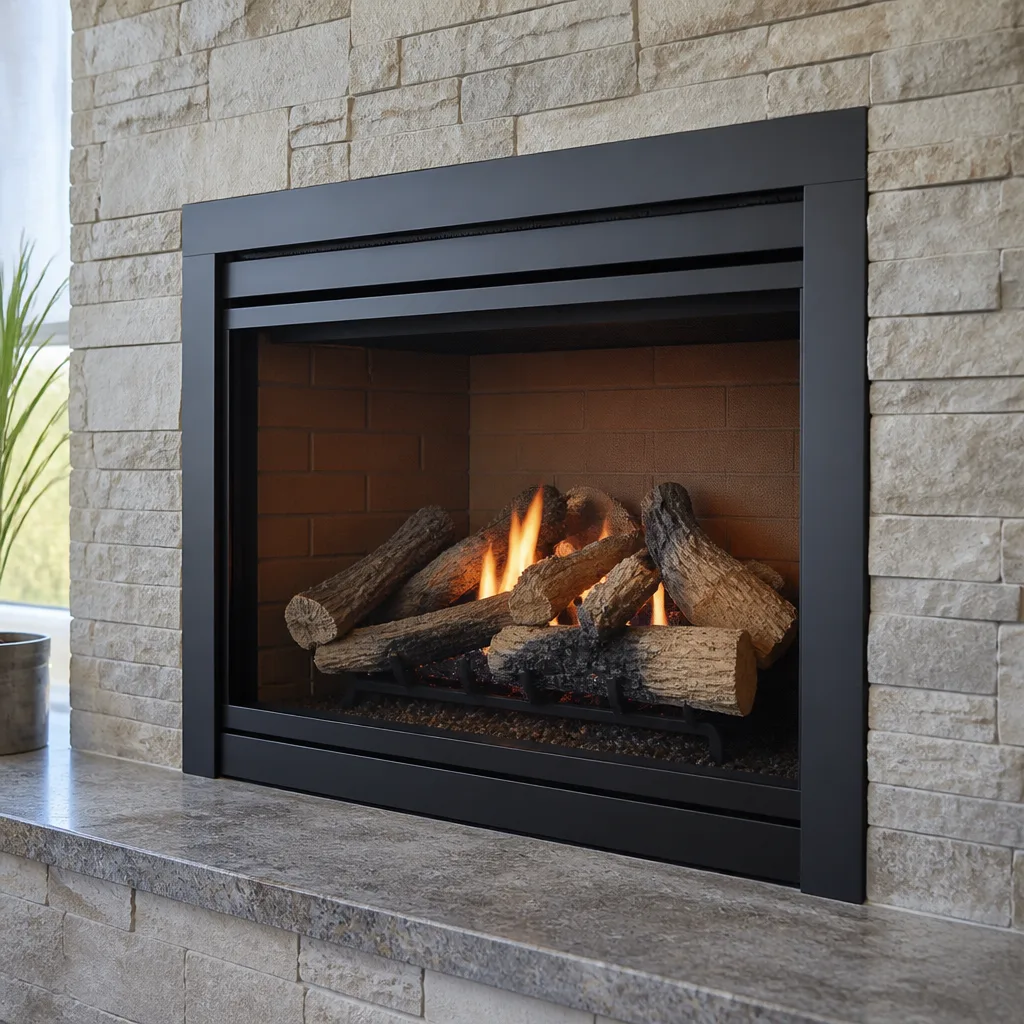 Gas fireplace service
Level 1 sweep and inspection to the NFPA 211 annual standard - flue, crown, cap, and flashing checked and photographed
Chimney sweep logs do not sweep chimneys. They loosen some creosote - which then falls where a brush and vacuum still have to collect it.
Seasonal Chimney Cleaning Care for Yuma: Year-Round Homeowner’s Guide
The standard advice says to get your chimney cleaned before winter. In Yuma, that advice is backwards. The most damaging event your chimney faces all year is monsoon season moisture pushing into mortar and metal that has been baking at desert summer temperatures, and by the time the first cold snap arrives, that damage has already been sitting for months. Chimney care here follows a different calendar than the one printed in national homeowner magazines. This guide maps twelve months of maintenance to what Yuma’s climate actually does to a flue system, from the July-September storms through the December-March burn season and the quiet heat in between. You’ll learn the two windows that genuinely matter, how to close a chimney down correctly for the off-season in a desert environment, and why spring deserves more of your attention than fall.
Quick Answer
In Yuma, chimney care follows two anchors: inspect and sweep in spring (April-May) after the burn season ends and before summer heat sets in, and inspect again in fall (September-October) right after monsoon season to catch moisture damage before it compounds. The traditional “clean before winter” advice skips the monsoon inspection, which is where most structural damage actually begins in this climate. A light sweep during the burn season itself, typically November through March, keeps creosote in check while the fireplace is actually being used.
Styles & brands we work with
- Sweep & inspection
- Caps & crowns
- Flue relining
- Masonry repair
- Gas fireplace service
Table of Contents
- Why Yuma’s Chimney Calendar Isn’t the National One
- What Monsoon Season Does to Your Chimney
- Why Spring Is the Most Important Maintenance Window in Yuma
- Summer-Specific Risks: UV, Thermal Expansion, and Pests
- The Burn Season Window: December Through March
- How to Close Your Chimney Correctly for the Off-Season
- A Twelve-Month Chimney Care Checklist for Yuma
- Signs Your Chimney Needs Attention Now
Why Yuma’s Chimney Calendar Isn’t the National One
Most chimney guidance is written for climates with hard winters, where the seasonal rhythm is simple: get the flue cleaned in fall before the first fire, burn through the cold months, and forget about it in spring. Yuma doesn’t work that way. The burn season here is short, roughly December through March, and a fireplace that runs a few dozen evenings a year builds far less creosote than one carrying a New England household through a six-month winter. That’s the good news. The less good news is that the months when most of the country stops thinking about their chimney at all are exactly the months when Yuma’s climate is hardest on it.
What actually stresses a chimney out here is the combination of extreme summer heat and sudden monsoon moisture. Dense desert heat pulls moisture from the masonry, and then a monsoon cell dumps rain on the same surfaces in a matter of hours. Cement crowns, mortar joints, and damper assemblies that stay fully exposed to that cycle take more abuse in one August than they would in a whole year of gentle northern seasons. This is why chimney care in Yuma is really about protecting the structure between burns, not just scrubbing the flue after each one.
There’s a second reason the calendar shifts. Homes here often sit with a chimney that sees no fire for eight or nine months straight. That long dormancy is when small problems go quiet and grow – a hairline crack in the crown, a loosened cap, a bird that decides the flue is a good nest site. If you only check once a year before winter, you’re inspecting after those problems have already had their season to worsen. Two inspections, timed to the climate, are the honest answer.
If you want the full picture of what a professional inspection actually examines, our Chimney Sweep Yuma team walks through it with camera evidence at every stage.
What Monsoon Season Does to Your Chimney
Arizona’s monsoon runs roughly July through September, and in Yuma it brings the year’s most concentrated rain into a landscape that’s been baking for months. For a chimney, that’s a one-two punch. The crown, which is the concrete or mortar cap at the very top that sheds water away from the flue, spends June drying out and often developing hairline cracks from thermal movement. Then a monsoon storm hits, water finds those cracks, and the cycle repeats. Over a handful of summers, a crown that started sound can be cracked through.
Mortar joints in the chimney stack above the roofline take the same treatment. Water sits in joints, evaporates in the heat, and the freeze-and-thaw of a northern climate becomes a wet-and-dry cycle here that widens gaps over time. Damper mechanisms seize up when moisture gets past a faulty cap and sits in the assembly between uses. Animal intrusion climbs too, because a chimney becomes a sheltered spot during heavy rain.
Here’s what a post-monsoon inspection typically looks for:
- Crown condition – cracks, spalling, and spots where water pools instead of running off
- Mortar joints – soft or eroded mortar, especially on the sunny side of the stack
- Damper operation – a damper that sticks or won’t close fully after the wet season
- Cap and spark arrestor – corrosion, bent screens, or missing pieces
- Water staining inside the flue – evidence that moisture got past the top and ran down
- Nesting or debris – birds, insects, and the twigs and material they bring in
None of this means every Yuma chimney needs major work after every monsoon. Most don’t. But the inspection is what tells you which problems are real, and it’s the reason a fall visit matters more here than the national “pre-winter” advice suggests. The fall check catches summer damage while it’s still small.
Why Spring Is the Most Important Maintenance Window in Yuma
Spring is the single most important chimney maintenance window in Yuma, and this is where the standard calendar fails most completely. By the time the burn season ends in March, your flue is holding whatever soot and creosote the winter produced, the firebox has a season of ash in it, and the whole assembly is about to sit through the harshest heat of the year. Getting it cleaned and inspected in April or May means the chimney enters summer in a known, clean condition rather than carrying last winter’s residue into the desert heat.
It also means any repair work gets done before the monsoon, not after. If a spring inspection finds a failing crown or a deteriorated mortar joint, there’s time to repair it during the dry months when the work can actually cure and hold. Wait until fall and you’re often repairing damage the monsoon already made worse, in a season that’s about to turn wet again.
Think about what a spring service appointment covers:
- Sweep the flue – clears soot and creosote while the flue is dry and easy to work in.
- Inspect the firebox and damper – catches what a winter of use and a wet monsoon left behind.
- Check the crown, cap, and stack – the parts that take the most sun and rain.
- Camera inspection of the flue interior – a look at the liner’s actual condition, not a guess.
- Document what you find – a photo report you can look at yourself, so nothing is recommended on trust alone.
Spring is also when you decide whether the flue needs anything more than a clean. If the inner surface is failing, this is the time to talk about restoring it rather than waiting. HeatShield ceramic flue resurfacing, for instance, lets us repair spalling and cracked joints and extend the life of the original flue instead of jumping straight to a full reline. Restore before you replace is the approach we lean toward when the flue allows it, and spring is the season that gives you the room to make that call calmly.
None of this is urgent in a panic sense. If it’s June and you haven’t booked, nothing bad happens overnight. The point is simply that spring gives you the most useful information with the most time to act on it. That holds whether you’re scheduling a chimney sweep or considering repair work.
Summer-Specific Risks: UV, Thermal Expansion, and Pests
Summer in Yuma is when the chimney sits fully exposed and completely unused, and that combination creates three risks that a winter-focused maintenance routine never looks for. The first is UV degradation. Your chimney cap and any exposed sealant take direct desert sunlight for months, and UV breaks down both rubberized sealants and painted metal over time. A cap that was sound in May can have a cracked seal or a corrosion point by September.
The second is thermal expansion. When a chimney stack heats and cools across a wide daily swing, the masonry and metal components move against each other. Over a season, that movement can widen existing hairline cracks in the crown and loosen mortar. A chimney that was structurally fine in April deserves a fresh look in the fall because the summer itself may have changed something.
The third is pest entry. A chimney is a dry, sheltered, elevated cavity, which is exactly what birds, wasps, and small mammals look for. During the long warm months, an uncapped or poorly capped flue becomes a nesting site. That matters not just for the mess but because a nest blocks the flue and creates a real draft and safety problem by the time you want to light a fire in December.
A proper cap and secure screen prevent most of this. Product lines like Gelco and Copperfield give us solid venting and cap options to close a flue against animals and weather, and having them available means a cap problem found in an inspection can typically be resolved without a second appointment. If you’re not sure your cap is doing its job, that’s a cheap thing to check.
The Burn Season Window: December Through March
Yuma’s actual fireplace season is short, roughly December into March, when the desert finally cools enough that a fire feels good in the evening. That short season changes how much creosote build-up you should expect. A household that burns a few evenings a week for four months simply doesn’t generate the same deposit volume as a cold-climate home burning daily for six months. That’s a genuine advantage, but it isn’t a license to skip the mid-season check.
What we watch for during the burn season is how the fire is actually behaving. A fire that struggles to draw, smoke that spills into the room when you open the glass, or a persistent smell even when the fireplace is cold can all point to a partial blockage, a draft problem, or a damper that isn’t sealing. Those are worth addressing mid-season rather than waiting for spring, because they affect how safely the fireplace runs while you’re using it.
For the burn season itself, a few habits keep things in good shape:
- Burn dry, seasoned wood – wet wood smolders and produces more creosote.
- Don’t overload the firebox – a hot, steady fire burns cleaner than a smothered one.
- Keep the damper fully open while burning and close it only when the fire is fully out.
- Emptly ash regularly so the firebox and grate stay clear.
- Book a mid-season sweep if you burn more than a few evenings a week.
If you’re noticing draft or buildup issues partway through the winter, a chimney repair assessment mid-season is reasonable. Most fireplace problems that show up during the burn season are small and fixable, and it’s better to know than to guess.
How to Close Your Chimney Correctly for the Off-Season
Closing a chimney for the off-season in a desert environment means something different than it does up north. In cold climates, the concern is moisture freezing inside; here the concern is moisture entering a hot, dry flue and the connections that heat and rain together will test. Done correctly, closing up for the summer protects the chimney and makes the fall inspection simpler. Done carelessly, it creates problems that show up months later.
Here’s the sequence that works for Yuma:
- Get a spring sweep and inspection first – the clean-and-check should happen before you close anything, not after.
- Remove all ash and unburned wood – leftover material holds moisture and attracts pests over the summer.
- Confirm the damper closes fully – a damper that stays slightly open is an open door for hot air, dust, and insects.
- Check the cap and screen – this is the single most important weather and animal barrier you have.
- Note any repair work for the dry months – if the inspection found a crown crack or soft mortar, schedule it for the dry season before the monsoon, not after.
- Leave a physical reminder to relook in fall – the post-monsoon inspection is the other anchor, and it’s easy to forget once the fireplace is out of sight.
The biggest mistake is treating “close it up” as a single act of closing the damper and walking away. In Yuma, the real work of the off-season is the spring inspection that tells you what shape the chimney is in before you shut it down. If the flue interior looked sound in spring and the cap is secure, you’ve done the meaningful part. If the inspection flagged something, the dry summer months are the best time to fix it.
For homeowners in neighborhoods across Yuma, the practical takeaway is that the off-season closes best when it starts with a professional look, not an assumption. A properly documented inspection gives you a clean baseline going into summer.
A Twelve-Month Chimney Care Checklist for Yuma
This is the seasonal rhythm we recommend for Yuma homeowners who use their fireplace regularly. It’s built around the two anchor inspections and the short burn season, with the quiet months left for repairs and the flue kept clear.
Spring (April-May) – the primary window
- Book a sweep and full inspection as soon as the burn season ends.
- Get a camera inspection of the flue and a photo report you can review.
- Schedule any crown or mortar repair for the dry months before monsoon.
- Confirm the cap and screen are intact for summer.
Summer (June-August) – the protected dormancy
- Complete any repair work while it’s dry.
- Keep the damper closed and the firebox empty.
- Watch for pest activity around the cap.
- Note any cracking or corrosion that appears during peak heat.
Fall (September-October) – the post-monsoon check
- Inspect for water damage, crown cracks, and loosened mortar after the wet season.
- Clean out any nesting or debris before burn season.
- Test the damper and confirm it seals.
- Book a pre-season sweep if the flue shows buildup.
Burn season (December-March)
- Burn seasoned wood and keep the fire burning hot and steady.
- Emptly ash regularly.
- Book a mid-season sweep if you burn often.
- Watch draft and smoke behavior for anything that changes.
Two inspections a year, timed to the climate, is the backbone of this schedule. Everything else is maintaining what those inspections confirm. Our technicians have up to 13 years of experience, which means they’ve seen this seasonal cycle play out across all kinds of Yuma homes and know what the local conditions tend to do. Materials matter as much as timing: we work with industry-grade product lines including Olympia Chimney, Famco, and Copperfield, so a cap, a screen, or a venting component is the same spec a professional chimney guild would use, not something from a hardware-store shelf.
Signs Your Chimney Needs Attention Now
Most of the year-round care in this guide is preventive, and nothing here means you should panic if you’re behind. But some things shouldn’t wait for the next scheduled visit, in any season. The point is not to scare you into an emergency call; it’s to know which signals genuinely warrant professional attention.
- Smoke spilling into the room – a draft or blockage problem that affects how safely the fireplace runs.
- A strong smell from the fireplace when it’s cold – can point to buildup or a blockage.
- Water stains or damp patches inside the firebox or on the stack – evidence moisture is getting past the cap or crown.
- Visible cracks in the crown or missing mortar chunks – the kind of structural issue summer heat and monsoon rain make worse.
- A damper that won’t open or close fully – relates to control and safety, worth an inspection.
- Birds, wasps, or nests in or around the cap – a blocked flue is a genuine safety concern.
If any of these show up, book an inspection to find out what’s actually going on rather than guessing. Camera evidence and a photo report mean you’ll know exactly what’s wrong, and nothing gets recommended that the photos don’t show.
Common Mistakes to Avoid
- Following the national “clean before winter” calendar. Fall sweeping without a post-monsoon inspection skips the check that matters most here, because the summer is when the damage starts.
- Skipping the spring window entirely. Leaving winter’s residue and any new inspection findings to sit through the hottest months is the single most common scheduling gap we see in Yuma.
- Assuming a short burn season means no maintenance. A lightly used fireplace still collects creosote, and the chimney structure takes heat, sun, and rain year-round regardless of how often you light a fire.
- Hiring a generalist who treats the chimney as an afterthought. Chimneys are their own discipline; a chimney specialist working with real product lines will spot what a handyman misses.
- Replacing a liner before considering restoration. Spalling and cracked joints can often be resurfaced with HeatShield rather than replaced, and defaulting straight to a reline skips a repair-first option.
- Closing for summer without checking the cap and damper. An uncapped or sticking flue through the long warm months is an open door for pests, dust, and moisture.
- Ignoring water damage after monsoon season. A crown crack that looks minor in October is usually worse by the next spring, and the dry months are the time to fix it.
See the difference
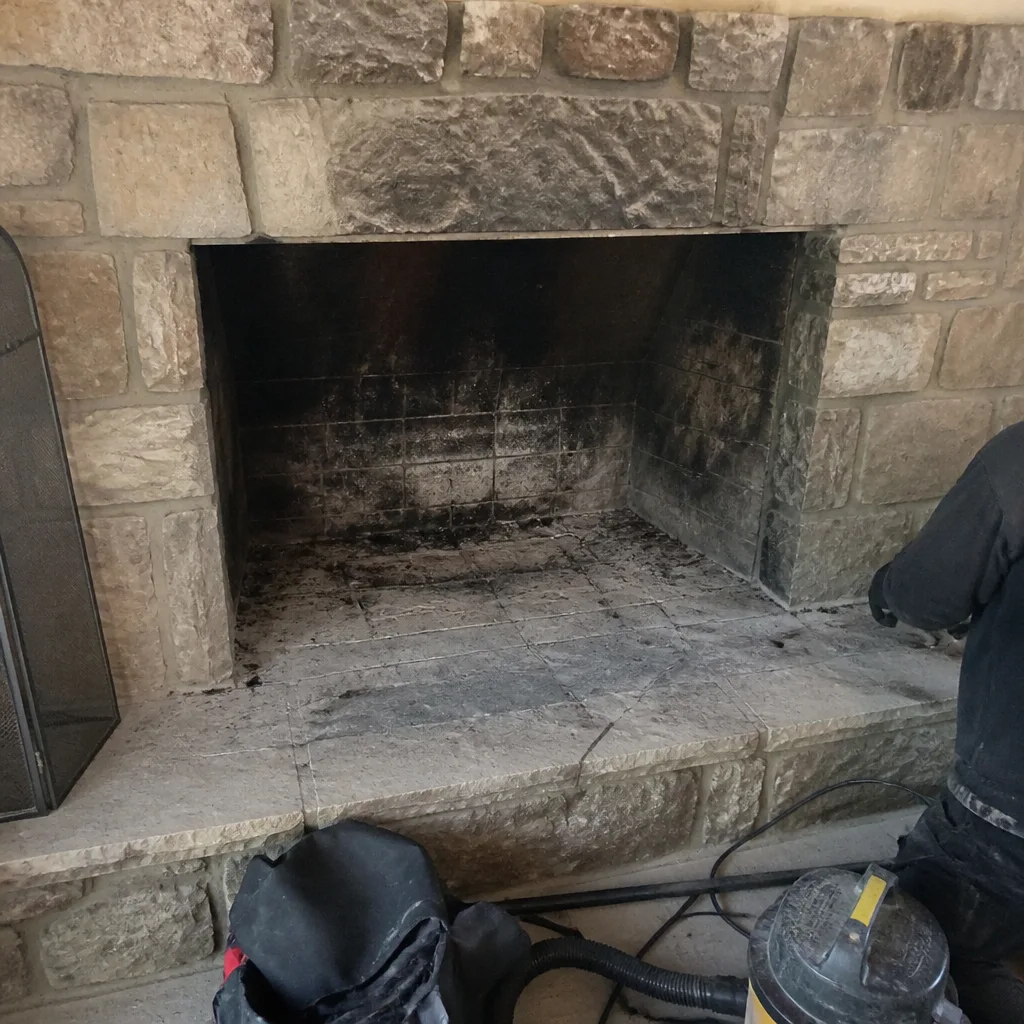 Before
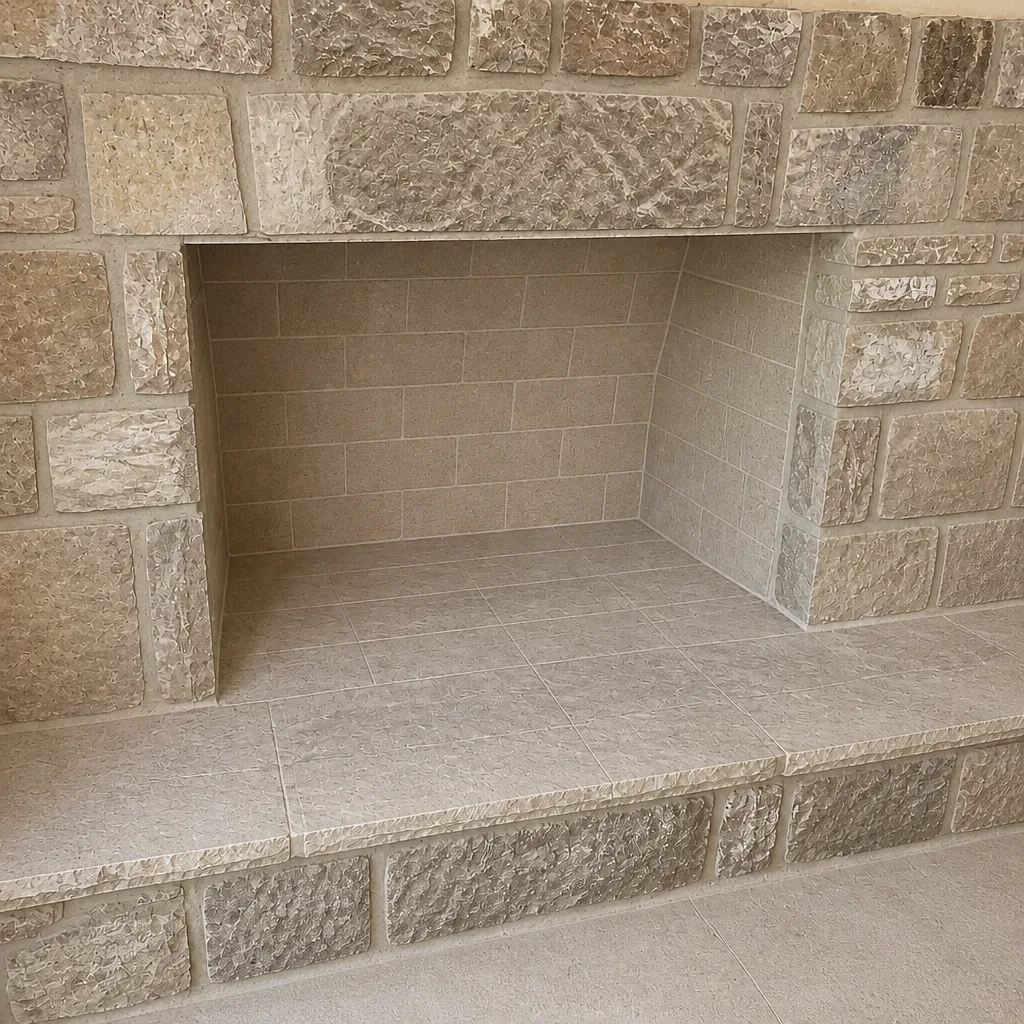 After
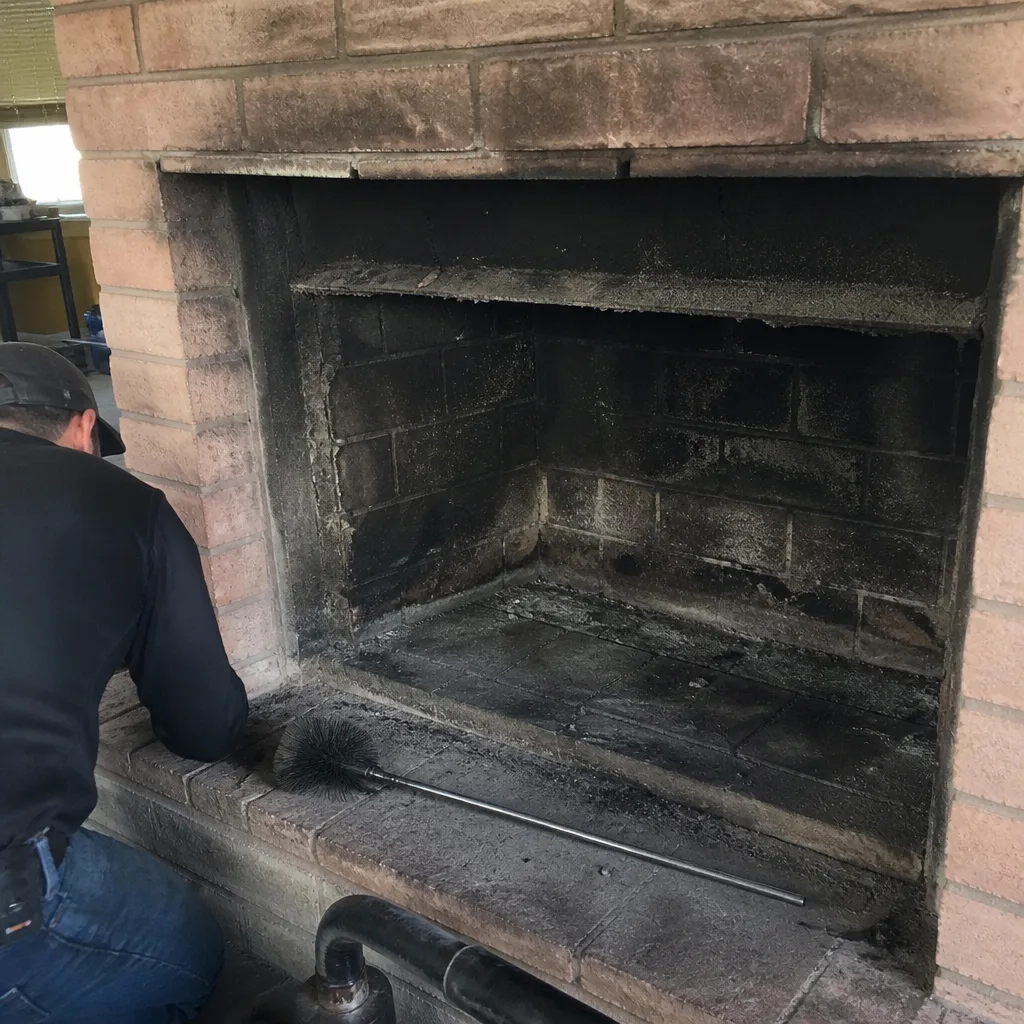 Before
 After
 Before
 After
When to Call a Professional
Call a professional when smoke spills into the room, when you see visible cracks in the crown or missing mortar, when the damper won’t seal, or when you haven’t had an inspection since the last burn season. Those are the cases where guessing can turn a small issue into real work. But most of the value of professional chimney care is preventive: the spring sweep and inspection that confirms the flue is sound, and the fall inspection that catches what monsoon season left behind. That’s the whole point of the seasonal calendar, and it’s what a specialist can give you that a generalist can’t. Chimney Sweep Yuma offers free estimates in Yuma: call (866) 389-5011. We answer 24/7. Fast dispatch from 7am to 7pm, Sunday through Friday.
Frequently Asked Questions
Most Yuma chimneys used for a December-through-March burn season need a sweep once a year, timed to spring, plus a fall inspection after monsoon season. If you burn more than a few evenings a week through the winter, a mid-season sweep is worth adding. The yearly spring sweep keeps the flue clear and gives you an inspected baseline going into summer. An annual visit is also the easiest way to catch small crown and mortar issues before they grow. Call (866) 389-5011 for an exact quote: estimates are free.
Spring is the more important window in Yuma because it comes right after the burn season and right before the harshest heat and the monsoon. Cleaning and inspecting the flue in spring means the chimney enters summer clean and in known condition, and any repair work has the dry months to cure before the rain arrives. Fall still matters, but in Yuma it’s mainly the post-monsoon check that catches summer damage. Doing only the fall visit leaves the summer unprotected. Call (866) 389-5011 to book a spring appointment.
Monsoon season in Yuma sends concentrated rain onto a chimney that has spent months in desert heat, and that wet-and-dry cycle cracks crowns, widens mortar joints, and can seize dampers. Water that gets past a failing cap or crown runs down into the flue and sits there between uses. Over a few summers, small cracks become structural issues. The post-monsoon inspection in fall is built to catch those before they worsen. Call (866) 389-5011 for a free estimate on any repair an inspection uncovers.
Not necessarily. Many chimneys that look like reline candidates can be restored instead: spalling and cracked flue joints are often fixable with HeatShield ceramic flue resurfacing, which extends the life of the original flue. A full reline using a flexible DuraFlex system makes sense when the flue is too far gone or the configuration demands it. The right answer comes from a camera inspection, not a guess. Nothing should be recommended without photo evidence you can see yourself. Call (866) 389-5011 for an exact quote: estimates are free.
No. Closing the damper doesn’t protect a chimney through a Yuma summer. The stack, crown, cap, and mortar above the roofline are fully exposed to heat, sun, and monsoon rain whether or not you burn anything. Pests can enter an uncapped flue during the long warm months, and cracks widen in the heat. The off-season is when the structure is most stressed, so it’s the worst time to stop looking. Call (866) 389-5011 to book a spring inspection and close the season correctly.
Check it after the hot months and after the wet season. In Yuma, a cap takes months of direct sun and monsoon rain, and UV breaks down sealants while corrosion attacks metal screens. A cap that is bent, has a torn screen, or shows cracked sealant is no longer keeping water and animals out. A secure cap and screen are your main defense across summer. If you’re not sure it’s sound, an inspection settles it and can address the cap in the same visit. Call (866) 389-5011 for a free estimate.
The Bottom Line
Yuma’s climate doesn’t follow the national chimney-care calendar, and treating it like a northern climate means missing the two windows that matter. Spring is the anchor: sweep and inspect right after the burn season, fix what you find during the dry months, and protect the flue through the desert summer. Fall is the second anchor: inspect after monsoon season to catch the water damage a hot, wet summer leaves behind. The short December-March burn season keeps creosote manageable but doesn’t protect the structure itself, so the off-season still needs attention. Two well-timed inspections, real product lines, and a repair-first approach cover it. Written by the team at Chimney Sweep Yuma.
Ready to map your own chimney’s year? Call (866) 389-5011 for a free estimate. We answer 24/7. Fast dispatch from 7am to 7pm, Sunday through Friday. Professional-grade materials, a clear inspection with photo evidence, and a seasonal plan built for Yuma’s climate, not someone else’s.
Written by the team at Chimney Sweep Yuma.