
Last updated November 16, 2026
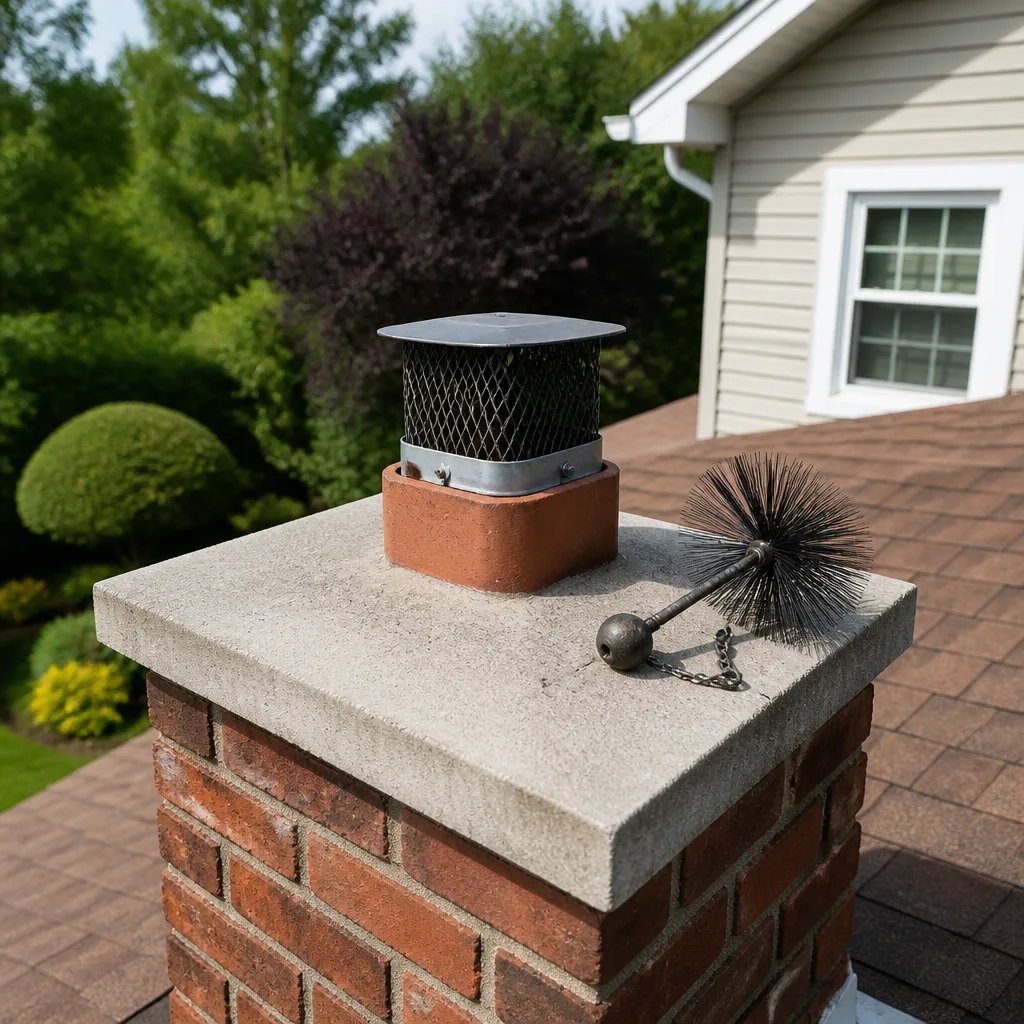 Sweep & inspection
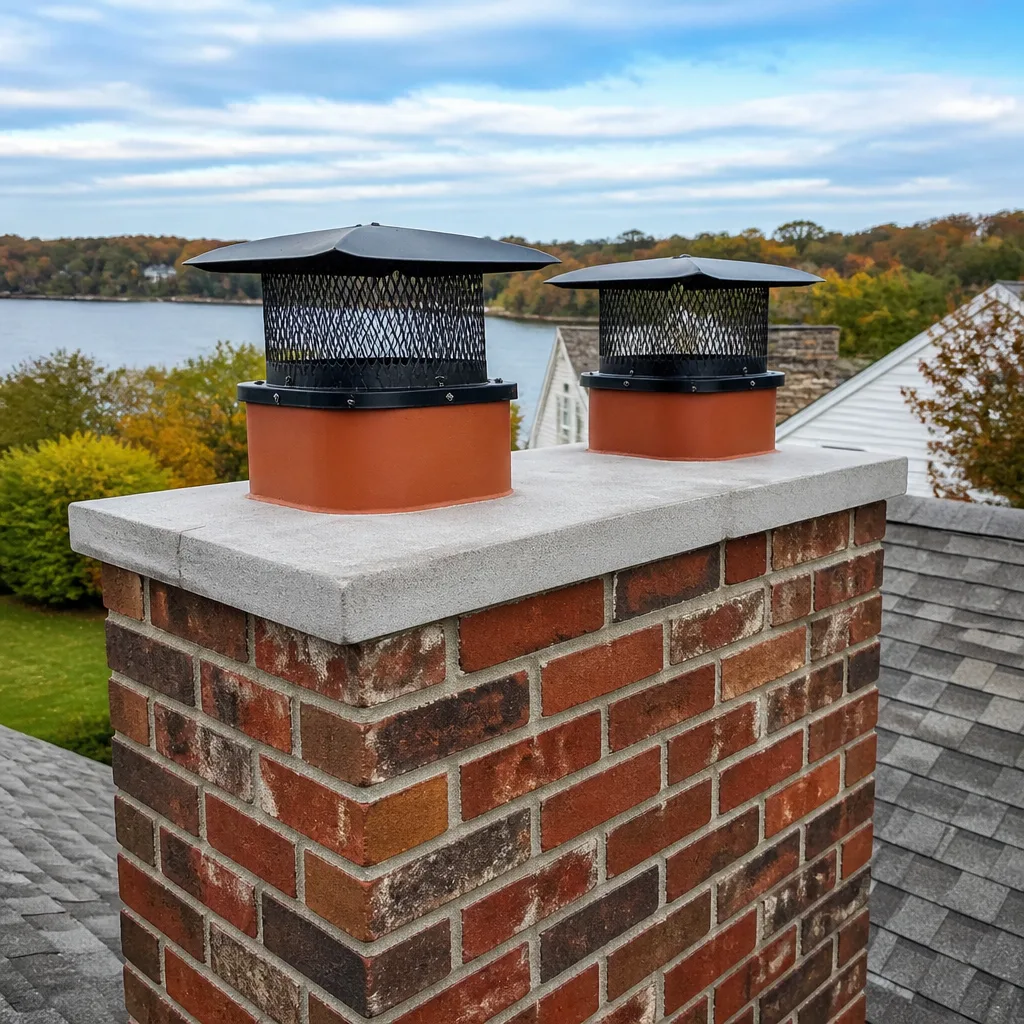 Caps & crowns
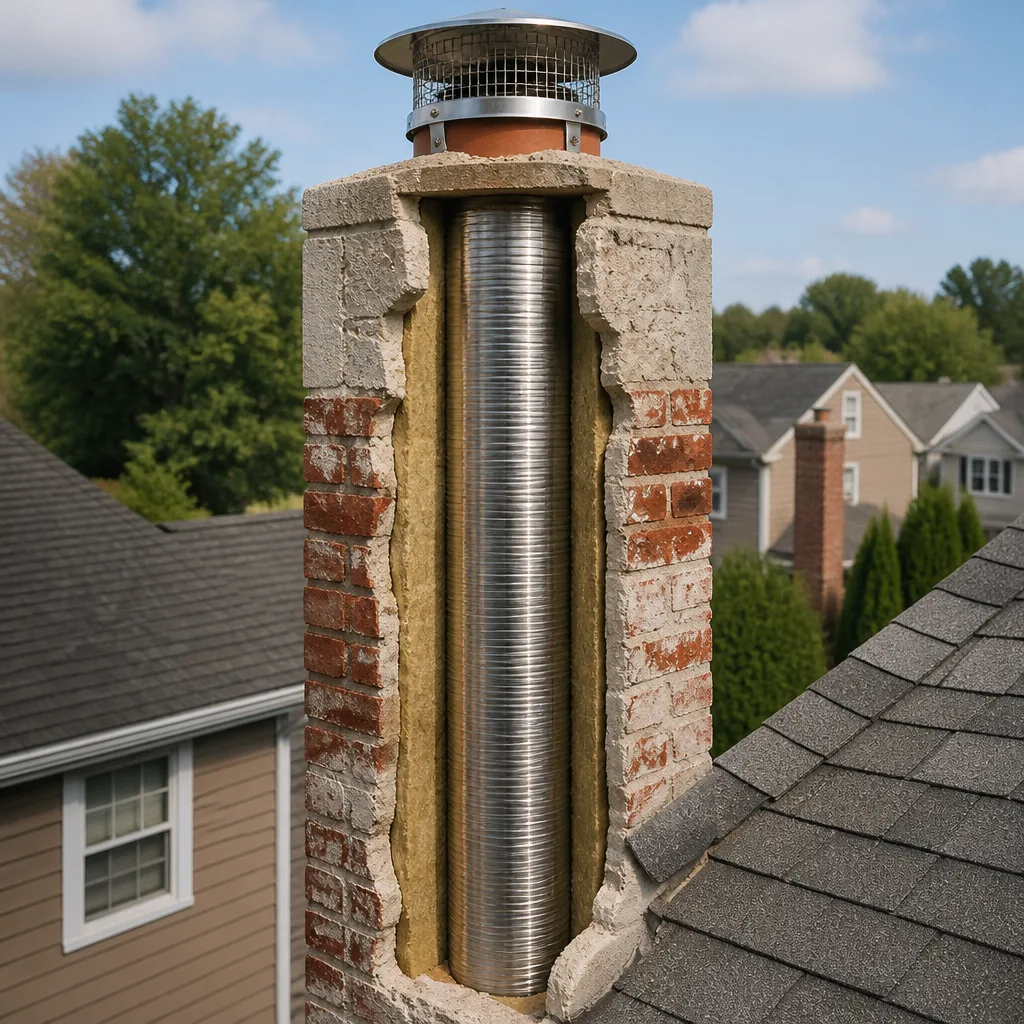 Flue relining
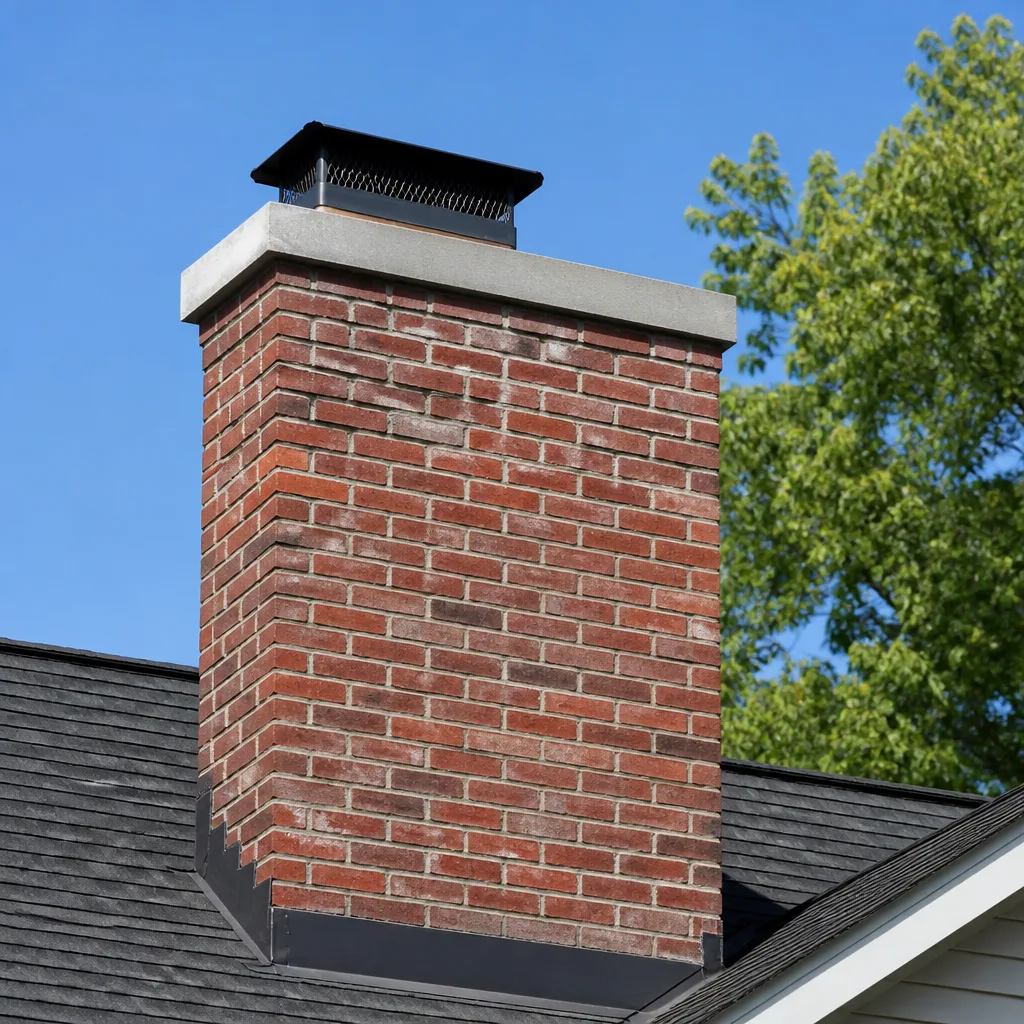 Masonry repair
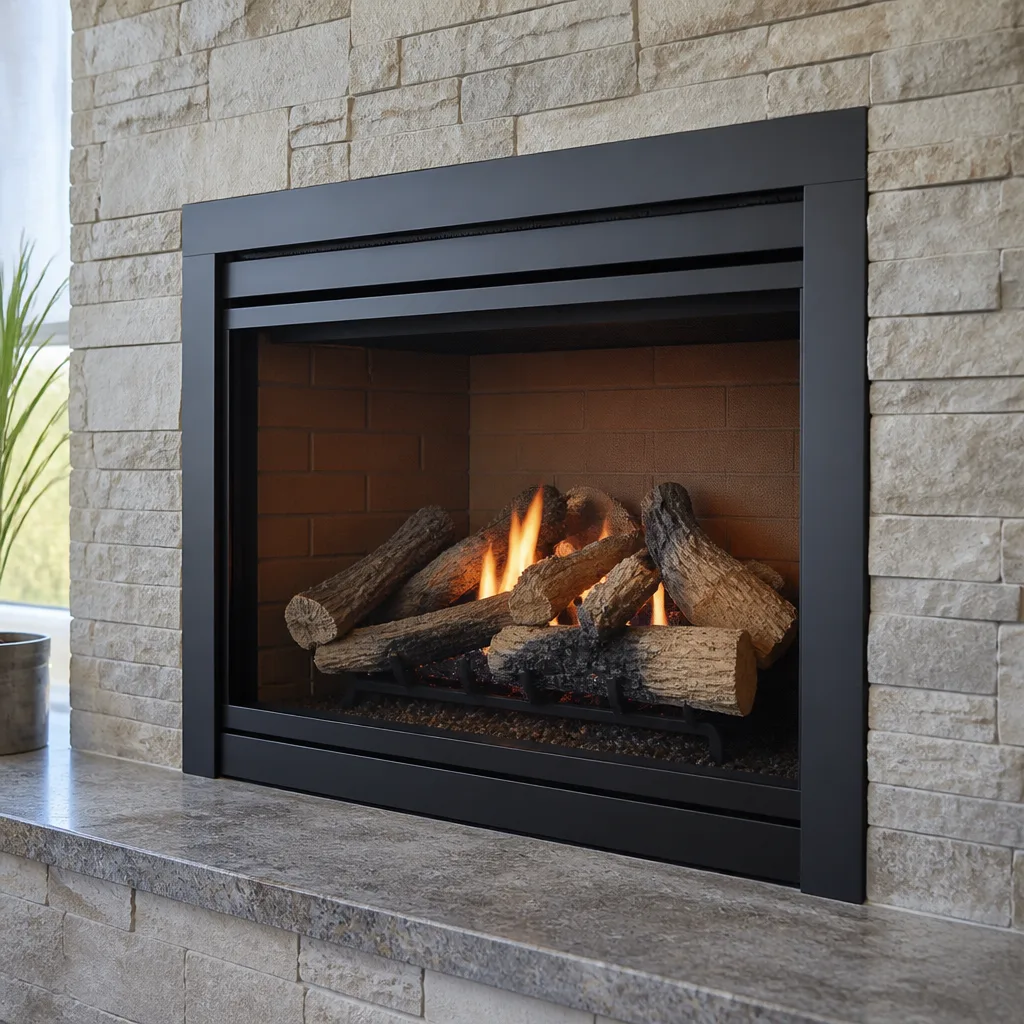 Gas fireplace service
Level 1 sweep and inspection to the NFPA 211 annual standard - flue, crown, cap, and flashing checked and photographed
Chimney sweep logs do not sweep chimneys. They loosen some creosote - which then falls where a brush and vacuum still have to collect it.
Chimney Sweep Maintenance Checklist for Yuma Homeowners
If your chimney maintenance checklist mentions “preparing for the first freeze,” it was written for someone else. Here’s the version built for a city where summers hit 115°F and the fireplace sits idle for eight straight months. Most chimney advice online assumes a cold-climate rhythm: burn all winter, clean in spring, button up before the snow. Yuma doesn’t work that way. Our burn season is short and mild, our off-season is brutal on masonry and caps, and the real threats here are heat, dust, nesting animals, and monsoon moisture, not ice. This guide walks through a checklist sequenced around Yuma’s actual calendar, so the tasks you do in September and June are the ones that prevent failures here, not in Minnesota.
Quick Answer
A chimney in Yuma needs three checks a year rather than the usual one: a pre-season inspection in late fall before the first fire, a mid-season look if you burn regularly, and a post-season sweep plus exterior inspection before monsoon season arrives. Sweeping should happen whenever creosote reaches about 1/8 inch, and an annual professional inspection catches heat damage, nesting, and cap wear that homeowners can’t see from the ground. The tasks split cleanly: light exterior checks and cap clearing are DIY-friendly, while anything involving the flue interior, creosote depth, or masonry cracks belongs to a trained sweep.
Styles & brands we work with
- Sweep & inspection
- Caps & crowns
- Flue relining
- Masonry repair
- Gas fireplace service
Table of Contents
- Why a Yuma Chimney Checklist Looks Different
- Pre-Season Checklist: Reopening After a Yuma Summer
- Mid-Season Checks: Low-Frequency vs. High-Frequency Use
- Post-Season Steps Before the Monsoon Window
- Exterior Masonry and Cap Checks for Desert Thermal Cycling
- DIY-Appropriate vs. Professional-Only Tasks
- A Month-by-Month Yuma Chimney Calendar
- Common Mistakes to Avoid
- When to Call a Professional
- Frequently Asked Questions
Why a Yuma Chimney Checklist Looks Different
Most chimney maintenance content is written for homes that burn wood five months a year and freeze hard the rest of it. Yuma homes do the opposite. The fireplace sees a handful of cool evenings in December and January, then sits untouched through a summer that bakes the roof and exterior masonry for months. That inverted rhythm changes what actually fails.
Three forces drive chimney problems in Yuma specifically:
- Heat expansion and contraction. Exterior masonry and the flue inside it expand through 100°F-plus summer days and contract on cool desert nights. That cycling stresses mortar joints and crowns far more than a single freeze would, and it does it hundreds of times a year.
- Long idle periods. An unused flue is an open invitation. Birds, rodents, and insects find their way into uncapped or damaged flues during the eight months the fireplace is dark.
- Monsoon moisture. When the summer storms arrive, they deliver sudden, heavy rain straight onto caps, crowns, and masonry that have spent months drying out and cracking in the sun. Water finds every gap the heat opened.
None of this shows up on a generic “winterize your chimney” list. A checklist that fits Yuma has to track the desert calendar, not the northern one.
Pre-Season Checklist: Reopening After a Yuma Summer
Your first fire of the season should come after a check, not before it. The pre-season pass is the most important one in Yuma because the chimney has been sitting through the hottest months of the year, and that’s when the damage quietly accumulates. Do this in late fall, a couple of weeks before you plan to burn.
- Look at the cap from the ground. Binoculars work fine. Check for missing or bent cap panels, rust, or a cap knocked loose. A cap that failed over the summer has been letting birds and rain in for weeks.
- Shine a light up the flue from the firebox. You’re looking for daylight, animal nests, debris, or obvious tile damage. If you can’t see clearly, stop here and book an inspection.
- Open and close the damper. It should move without grinding and seat fully. A damper stuck open wastes heat and lets hot summer air and pests straight down the flue.
- Clear the firebox. Remove ash and any debris that collected over the off-season. Check the firebrick for cracked or loose bricks.
- Inspect the firebox and smoke chamber for heat damage. This is the item competitors skip. The intense dry heat of a Yuma summer, followed by a fire, works on the same masonry. Look for new cracks, crumbling mortar, or white staining that wasn’t there in spring.
- Confirm the cap screens are intact. Torn screening is the number one way birds get in. A proper cap with an intact screen, like the ones we fit from Famco and Copperfield, keeps wildlife out through the idle months.
- Test your smoke and carbon monoxide alarms. Chimney safety depends on them working.
If any step turns up something you can’t resolve from the ground or the firebox, that’s what a professional inspection is for. A sweep will run a camera up the flue and confirm what’s actually going on before you light the first fire.
Mid-Season Checks: Low-Frequency vs. High-Frequency Use
How much you burn changes what you need to check and how often. Yuma homeowners fall into two groups, and the mid-season checklist splits accordingly.
If you burn a few times a season
Low-frequency use in a mild climate means creosote builds slowly. A mid-season visual check of the firebox, damper, and cap is usually enough, plus a glance up the flue for anything that fell in. Unless you notice smoke backing up, odd smells, or difficulty getting a draft, you can wait for the annual inspection. One caution: a flue that sits idle most of the year is more prone to nesting and debris than one in constant use, so check for that mid-season even if you’ve barely burned.
If you burn regularly through the cool months
Regular burning, even in a mild winter, means creosote accumulates on the flue walls. Check for visible creosote buildup at the top of the firebox and the smoke chamber. If it’s building up to about 1/8 inch, it’s time to sweep, not wait. Signs you’re overdue include a dull thumping sound when you tap the flue, a strong smoky smell even when the fireplace is cold, and reduced draft. A wood-burning stove user should be even more attentive, since stoves run hotter and load the flue differently than an open fireplace.
The distinction matters because a low-use homeowner who follows a high-use sweeping schedule pays for unnecessary work, while a high-use homeowner who follows the low-use schedule risks a chimney fire. Match the checklist to your actual burn habits.
Post-Season Steps Before the Monsoon Window
This is the section most chimney guides don’t have, and in Yuma it’s the one that protects your chimney through the summer. Once you’ve stopped burning for the season, you have a window before monsoon moisture arrives, and that window is when you want the chimney clean and sealed.
- Sweep after the last fire. A flue left dirty over the off-season lets creosote and soot sit in summer heat, and any moisture that gets in combines with it to corrode metal components and stain masonry. Sweeping before the idle season is far better than sweeping after.
- Inspect the crown. The crown is the concrete cap on top of the chimney that sheds water away from the masonry. Yuma’s sun-and-night thermal cycling cracks crowns faster than most places. A cracked crown lets monsoon rain straight into the masonry.
- Check the flashing. The metal where the chimney meets the roof is a common leak point. If it’s lifted, rusted, or has lost its sealant, the first heavy monsoon rain will find it.
- Seal what’s cracked. Hairline cracks in the masonry and around the crown are DIY-sealable with a masonry sealant. Wider cracks and open joints need a professional repair.
- Confirm the cap is secure before storm season. High monsoon winds are hard on a loose cap. A cap that’s already compromised won’t survive a storm.
- Address draft problems now. If your fireplace smoked or drafted poorly last season, the fix is easier to plan and complete during the off-season than in the middle of a cold snap. Venting components and cap adjustments address many draft issues in one visit.
Doing these before the monsoon window means your chimney spends the wet season protected rather than exposed. It also means you’re not discovering a leak in July when the rain is coming in.
Exterior Masonry and Cap Checks for Desert Thermal Cycling
Inside the flue is only half the story. Yuma’s temperature swings between summer highs well into the triple digits and cool winter nights put exterior masonry under constant stress. Over years, that cycling cracks mortar joints and crowns, and each crack is a path for water.
Here’s what to look at, ideally in both the cool season and the hot season so you can compare:
- Mortar joints: Look for missing mortar, crumbling, or gaps between bricks. Recessed or eroded joints let water in and weaken the structure.
- The crown: A good crown slopes and overhangs so water runs off the edge, not down the wall. Flat or cracked crowns direct water into the masonry.
- Spalling brick: Bricks with flaking or popping faces have taken on water and are failing. This is common where heat and sun exposure concentrate.
- The cap: Sun exposure breaks down cap coatings and rusts metal caps. A failed cap lets rain and wildlife in. This is where quality components pay off. We fit cap and venting parts from recognized lines like Famco and Copperfield, so the parts you get are ones designed for this climate, not a hardware-store substitute.
- Efflorescence: White powdery stains on the outside mean water is moving through the masonry. It’s a sign of a moisture problem, not a cleaning problem.
Some of these are things you can spot with a slow walk around the chimney base and a look at the roof line. Distinguishing a cosmetic crack from a structural one, or a crown that needs sealing from one that needs rebuilding, is where a trained eye matters.
DIY-Appropriate vs. Professional-Only Tasks
Some chimney maintenance is genuinely safe to do yourself. Some isn’t just difficult, it’s dangerous. Knowing which is which keeps you from either neglecting the chimney or taking a risk you shouldn’t.
Safe for homeowners
- Clearing ash and debris from the firebox
- Testing smoke and carbon monoxide alarms
- Checking the cap visually from the ground with binoculars
- Operating the damper to confirm it moves freely
- Spotting cracks, staining, or spalling on the exterior masonry from the ground
- Sealing hairline cracks in masonry and around the crown with a masonry sealant
Requires a trained professional
- Sweeping the flue. Getting on a roof is dangerous, and properly evaluating creosote depth and flue condition takes training and the right tools. This is the core of a professional chimney sweep visit, and it’s not a do-it-yourself job.
- Inspecting the flue interior. You can’t see the inside of the flue from the firebox. A camera inspection reveals cracks, gaps, and buildup that could lead to a chimney fire or carbon monoxide exposure.
- Assessing structural cracks. A crack that looks hairline to you can be a structural problem a sweep recognizes immediately.
- Relining or resurfacing. These are specialized repairs. The right material matters, and it’s not a task for a general handyman.
- Any work at height on the roof or cap. Falls are a leading cause of home injury. Leave roof-level work to the professionals.
Our technicians have up to 13 years of experience, so they know the difference between a cosmetic flaw and a real hazard. The chimney repair side of the work, from crown repairs to relining, is where that experience protects your home.
A Month-by-Month Yuma Chimney Calendar
Instead of one annual task, spread the checklist across the year so no single season does all the work. Here’s how the calendar shakes out for a Yuma home.
- Late fall (before the first fire): Full pre-season inspection and sweep. This is the big one. Get the flue checked, the cap confirmed, and any needed repairs done before you burn.
- December and January: Burn season. Do a mid-season visual check of the firebox and cap if you’re burning regularly. Watch for draft problems or smoke backing up.
- February: If you’ve burned regularly, a mid-season sweep or creosote check keeps the flue safe through the rest of the cool weather.
- Early spring (after the last fire): Post-season sweep. Get the flue clean before the idle months. Inspect the crown and flashing while the weather’s still mild.
- Late spring (before monsoon): Seal cracks, confirm the cap and flashing are sound, and address any draft issues. This protects the chimney through the wet season.
- Summer: The chimney is idle, but check the cap and exterior after any major storm for damage or animal intrusion.
- Early fall: Repeat the pre-season check before the next burn season begins.
Two inspections a year is reasonable for many Yuma homes given the climate load: one before burn season and one before the monsoon. A home that barely burns may need less, and a home that burns heavily may need sweeps in between. The point is that the calendar follows Yuma’s seasons, not a northern winter.
Common Mistakes to Avoid
- Following a northern-climate checklist. “Preparing for the freeze” advice does nothing for a Yuma chimney. Skip the frost-related tasks and focus on heat, dust, nesting, and monsoon moisture instead.
- Sweeping only in spring. In a cold climate the first fire comes soon after, but in Yuma the flue may sit idle for months afterward. Sweep before the idle season so soot and creosote don’t sit through summer heat.
- Ignoring the cap over the summer. The cap takes the worst of the summer sun and is when wildlife gets in. A cap that fails while the fireplace is dark costs you a nesting problem and a repair.
- Skipping the exterior masonry check. Yuma’s thermal cycling cracks mortar and crowns faster than freeze-thaw does in most places. If you only check the inside of the flue, you’ll miss the cracks letting monsoon rain in.
- Burning with a damaged flue. A cracked flue tile is a path for carbon monoxide into the home. If you see damage, don’t burn until a sweep has assessed it.
- Assuming quality materials don’t matter. Generic parts from a hardware store fail faster under desert sun. Parts designed for the job last longer, whether it’s a cap, a venting component, or a relining system.
- Treating an off-season smell as normal. If the chimney smells smoky or musty when it’s idle, that often means moisture or buildup. Get it checked rather than assuming it’s nothing.
When to Call a Professional
Some of this checklist you can do yourself. But a few situations call for a trained set of eyes, and putting them off risks real damage. Call a professional sweep if you see daylight or damage when you look up the flue, if creosote is building up, if you notice smoke backing into the room or a weak draft, if the exterior masonry has cracks wider than a hairline or ongoing efflorescence, if the cap is loose or damaged, or if a bird or animal has gotten into the flue. Also call if it’s simply been a year since your last inspection. Given Yuma’s heat and monsoon load, an annual professional look catches problems a homeowner can’t see. Chimney Sweep Yuma offers free estimates in Yuma. Call (866) 389-5011 to book a sweep or inspection.
Frequently Asked Questions
Most Yuma homes do well sweeping once a year, ideally before or just after burn season, and whenever creosote reaches about 1/8 inch. Because the fireplace sits idle for most of the year, the sweep is timed around the burn season rather than the winter, and a professional inspection should happen annually regardless of how much you’ve burned. Call (866) 389-5011 for an exact quote, free estimates.
Yes, and a low-use home is often the one that needs it most. An idle flue is prime nesting space for birds and insects, and Yuma’s summer heat cracks caps and masonry whether you’ve lit a fire or not. An annual inspection catches those problems before they become repairs. Call (866) 389-5011 for an exact quote, free estimates.
Skipping it allows creosote buildup that raises chimney fire risk, undetected flue cracks that can let carbon monoxide into the home, and exterior cracks that let monsoon moisture into the masonry. In a Yuma home, the biggest risk of neglect is the quiet kind: heat damage and nesting that build up over the idle months. Call (866) 389-5011 for an exact quote, free estimates.
Not more, but different. Cold climates stress chimneys with freeze-thaw, while Yuma stresses them with extreme heat and thermal cycling through the summer, plus monsoon moisture and long idle periods. A Yuma chimney needs a checklist built for heat and rain, not snow, which is why the timing of the tasks here differs from northern advice. Call (866) 389-5011 for an exact quote, free estimates.
You can handle light tasks like clearing ash, testing alarms, and checking the cap from the ground, but a proper sweep and interior flue inspection requires roof work and the tools to evaluate creosote and flue condition safely. Those are not do-it-yourself tasks, and they’re what protect your home. Call (866) 389-5011 for an exact quote, free estimates.
A proper sweep includes a thorough cleaning of the flue and firebox, and a proper inspection goes further: a camera check of the flue interior, an assessment of the cap, crown, and flashing, and a look at the exterior masonry. Quality work uses recognized product lines for any parts needed, and with a company like Chimney Sweep Yuma the sweep, inspection, and any repair are handled together, so you’re not booking a second contractor. Call (866) 389-5011 for an exact quote, free estimates.
The Bottom Line
The checklist that works in Yuma is the one built for Yuma. Check the chimney before the first fire and again before the monsoon, sweep at the end of the burn season, and watch the exterior masonry for the heat cracks that northern guides don’t mention. Know what’s safe to do yourself and call a professional for the flue, the roof, and anything structural. Our technicians have up to 13 years of experience, and we handle sweeping, repair, and inspection as one focused chimney job. Call (866) 389-5011 for a free estimate. We answer 24/7. Fast dispatch from 7am to 7pm, Sunday through Friday. The estimate is free and the price is set per job by the written estimate.
Written by the team at Chimney Sweep Yuma.
See the difference
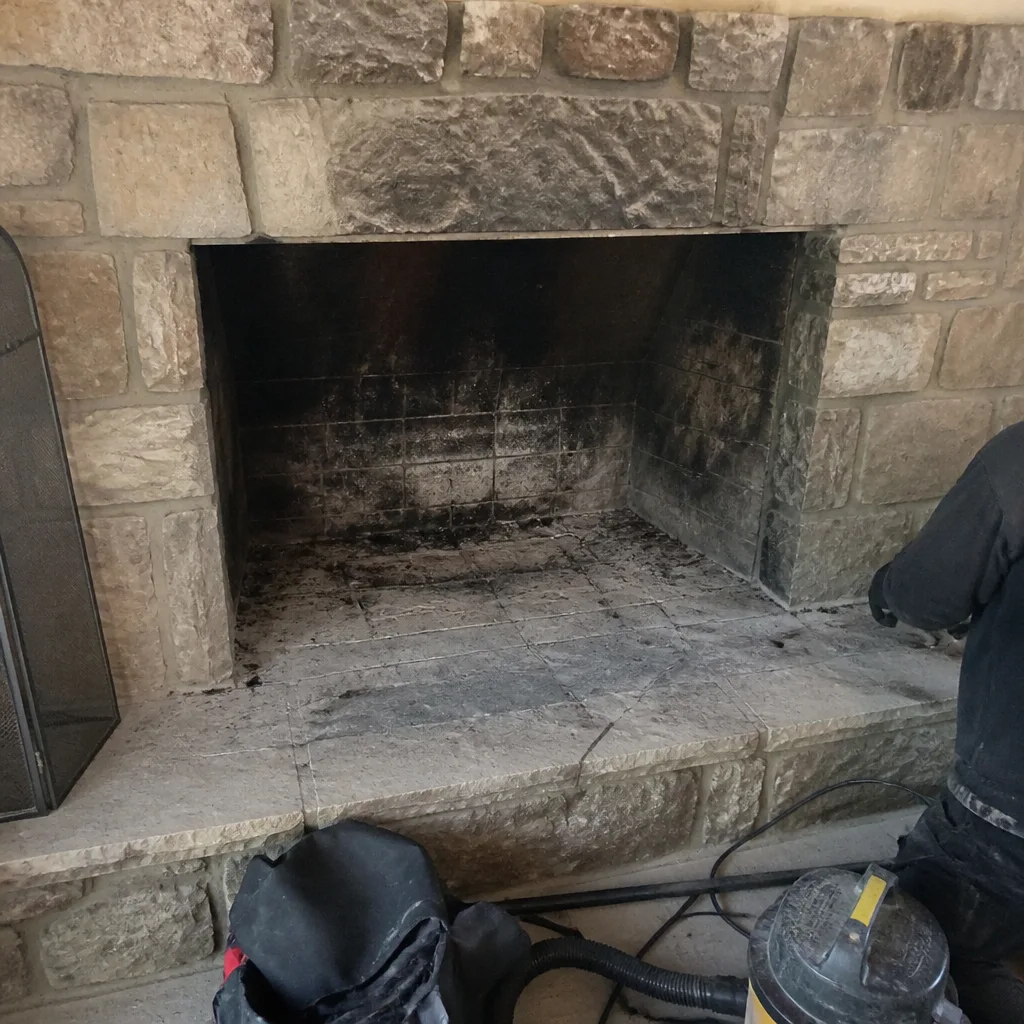 Before
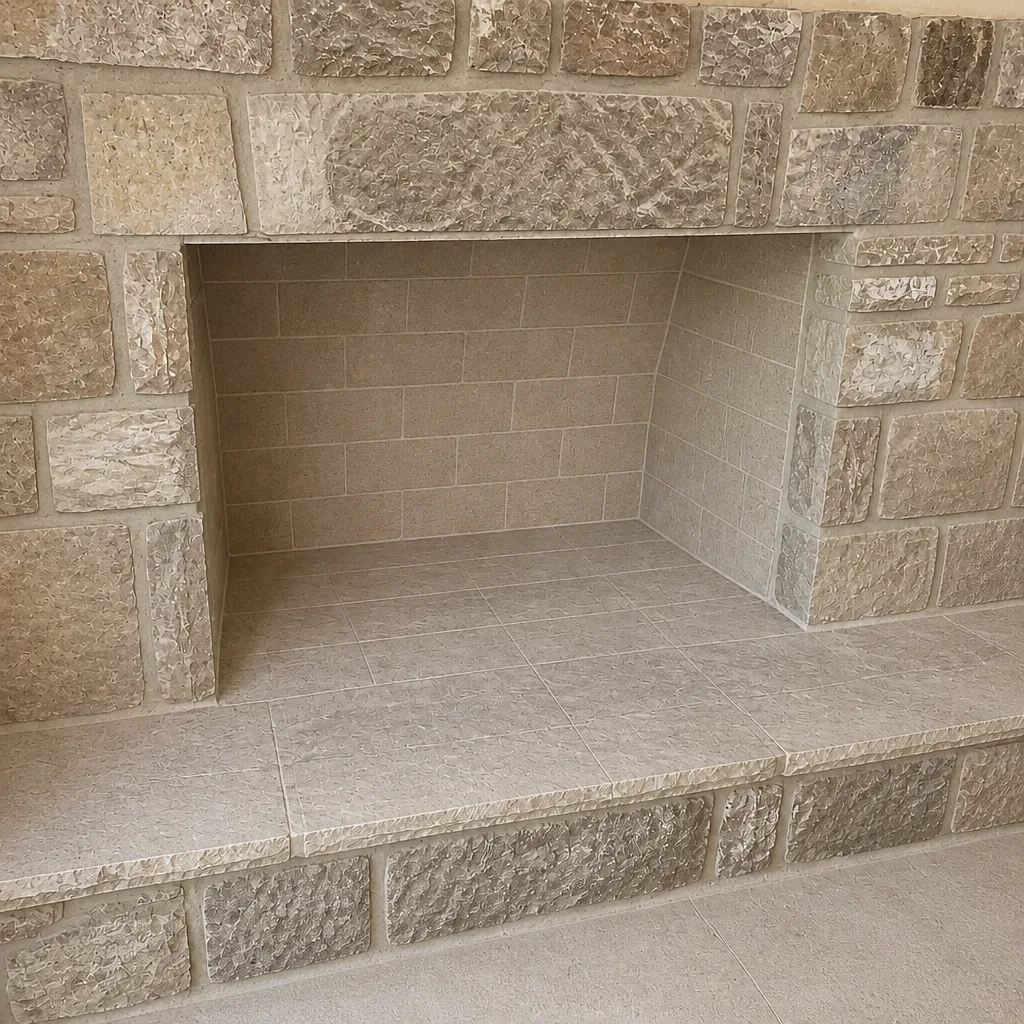 After
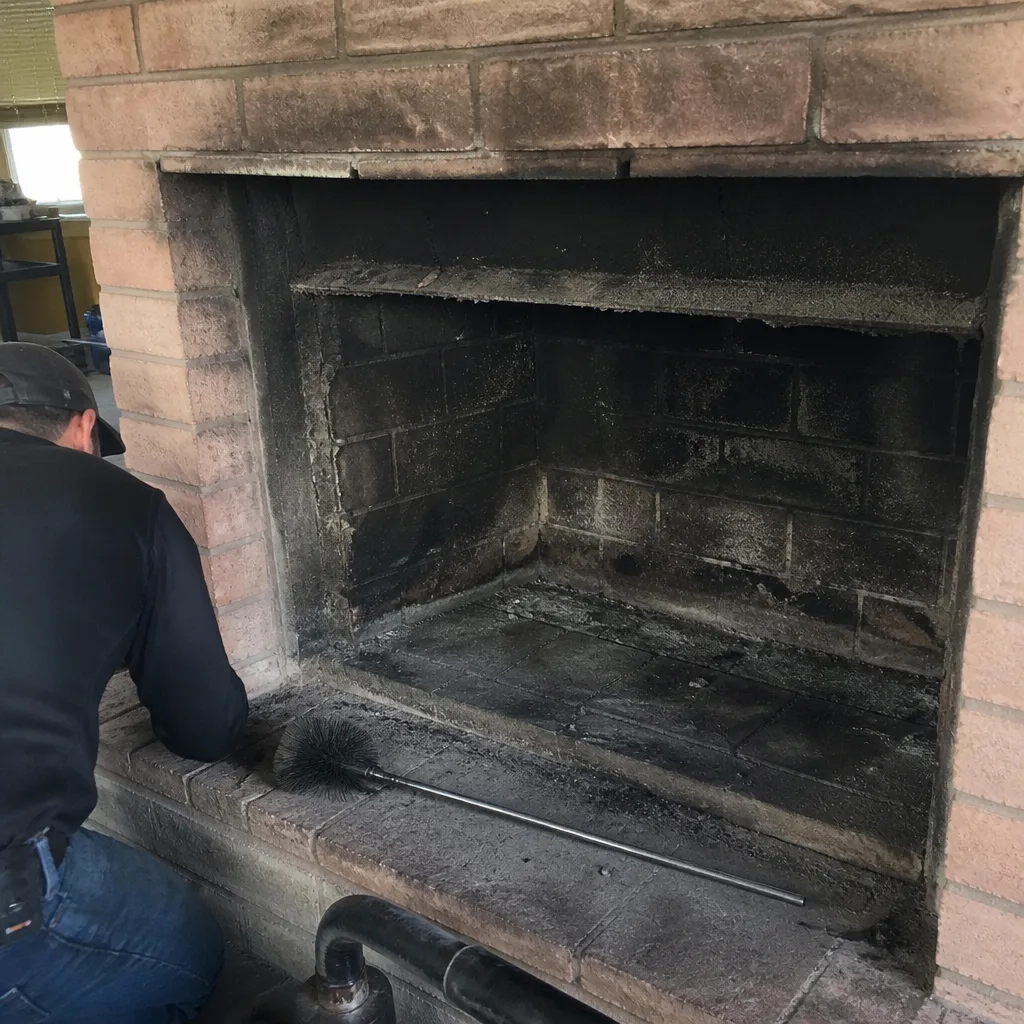 Before
 After
 Before
 After